V Competitive intelligence jsou tzv. slabé signály klíčovým předmětem zájmu. Jedná se o známky přicházejícího trendu nebo změny. Zjištění budoucího trendu ještě předtím, než nastane, dává firmě ohromnou výhodu. Znalost slabého signálu je proto velmi cenná. V tomto článku posoudíme slabé signály a příležitosti na aktuálním českém trhu služeb nabízející sdílená auta, jež se běžně nazývá anglickým výrazem „carsharing“.
Článek obecně mapuje metody CI pro analýzu trhu z pohledu slabých signálů a příležitostí a následně provádí analýzu z otevřených zdrojů, která nastíní jak slabé signály, tak i příležitosti a nepokryté potřeby zákazníků na tomto trhu v Praze.
Nejprve je však nutné porozumět trhu a metodám, které se pro analýzu dají použít.
Stručný vývoj carsharingu
Sdílení motorových vozidel, nejčastěji aut, je ukázkovým příkladem fenoménu zvaného sdílená ekonomika. Carsharing nabízí výhody vlastnictví auta bez výdajů na koupi vlastního auta a s ním spojený servis, opravy, pojištění nebo parkovací stání (dTest, 2020).
Sdílení motorových vozidel se poprvé rozmohlo v Americe již v 90. letech minulého století a spolu v rozvojem mobilních aplikací si získává čím dál větší oblibu (dTest, 2020).
Carsharing začal v podobně autopůjčoven, kdy si klient musel půjčit a zase vrátit auto na jedno a totéž místo, nebo v pobočce autopůjčovny. V takovém případě bylo také zapotřebí dodržet stanovený čas zapůjčení podmíněný otevírací dobou pobočky. Uvedené skutečnosti jsou určitý limitující faktor, který je v dnešní době překonán mnohem praktičtějším řešením. V rámci definované zóny je možné zapůjčené auto zaparkovat téměř na jakékoli dostupné parkoviště. Toto usnadňuje i půjčování, protože auta jsou rozprostřena po městě (dTest, 2020).
Specifickou kategorií jsou peer-to-peer půjčovny, které umožňují lidem, kteří už auto vlastní, sdílet auto s jinými lidmi, když jej zrovna nevyužívají. Vztah mezi vlastníkem a nájemcem zajišťují subjekty, které chrání oba účastníky výpůjčky a řeší i spory mezi nimi. V Česku takovou službu provozovala společnost HoppyGo (dTest, 2020). V říjnu 2025 ale ukončila peer-to-peer carsharing ve prospěch jiných úspěšnějších modelů půjčování, které provozují, jako je například půjčování aut na další dobu na Slovensku (Nováková, 2025).
Mnohem častější je model, kdy flotilu aut vlastní přímo společnost a vytváří z nich síť aut umístěnou v nějakém městě. První takovou carsharingovou firmou v Česku byla společnost Autonapůl, která začala službu nabízet v roce 2003 (dTest, 2020).
Jednu z největších flotil má Car4way, jež v Praze vlastní přibližně 1300 vozidel a má integraci i v aplikaci PID Lítačka. To znatelně zlepšuje zákaznickou zkušenost. Díky tomu je např. možné přes plánovač cesty v PID Lítačka aplikaci kombinovat jízdu MHD s jízdou ve vypůjčeném autě (zdopravy.cz, 2024).
Mezi další uživatelsky přívětivé výhody, které některé služby poskytují, patří možnost zaparkovat v jinak vyhrazených placených zónách pro rezidenty (dTest, 2020).
Aktuální stav na trhu
Mezi největší carsharingové firmy na českém trhu aktuálně patří Car4Way, Anytime, Autonapůl a Bolt drive.
Posledních několik let byly v Česku kvůli vysoké inflaci a celkové ekonomické recesi spíše ve znamení šetření. To v kontextu doznívající celosvětové pandemie postihlo i některé carsharingové firmy, které musely opustit český trh. Příkladem je AJO carsharing, který v prosinci 2023 vstoupil do likvidace (Davidová, 2023).
Přesto v průzkumu ohledně sdílené ekonomiky z roku 2024 15 % respondentů uvedlo, že používá sdílené automobily, což je řadí jako druhou nejpoužívanější sdílenou službu hned po sdíleném ubytování, které používalo 17 % respondentů (Anytime carsharing, 2024). Popularita sdílených automobilů dlouhodobě roste, i když celospolečenský trend byl do roku 2023 spíše šetřit (Nová večerní Praha, 2024).
Trend šetření se v minulých letech projevil v délce jízd, kdy například u jedné služby v roce 2023 meziročně klesla průměrně ujetá vzdálenost na jednu zápůjčku o 60 km (Nová večerní Praha, 2024).
Nedostatkem aktuální infrastruktury jsou dobíjecí stanice pro elektrické vozy, jejichž počet je nedostatečný pro větší zavedení takových vozidel mezi sdílená auta. V roce 2018 byla veřejná zakázka na instalaci 150 dobíjecích stanic, které představují 300 dobíjecích bodů. Tento počet je podle expertů nedostatečný, ve srovnání se zahraničními městy. Například v německém městě Rüsselsheimem, jež je mnohem menší než Praha, velikostně srovnatelné s Mostem nebo Opavou, bylo již v roce 2018 známo, že tam vznikne 1300 dobíjecích stanic (Srb, 2018).
K popularitě carsharingu přispívá i neustále se zvyšující pořizovací cena nových vozů.
Co to jsou slabé signály?
Koncept slabých signálů poprvé použil Igor Ansoff v roce 1975. Slabé signály jsou první indikace změny na trhu. Jedná se o novou myšlenku, koncept nebo nepatrný trend, který se na trhu objeví a předznamenává možnou blížící se změnu, která má potenciál ovlivnit firmu, která na daném trhu působí (El Akrouchi et al., 2020).
Slabé signály jsou vždy slabě zmiňované a nové koncepty, jsou vždy v datech méněkrát zastoupeny než silné a často zmiňované koncepty.
Slabé signály je obtížné identifikovat, protože se často neukazují ve statistikách. Například testování nové technologie startupy může předznamenávat změnu, který se projeví až za několik let. Růst zájmu o nějaký typ produktů může mít za několik let velké konsekvence.
Metody analýzy slabých signálů a příležitostí na trhu
Níže jsou zevrubně popsány různé metody pro analýzu slabých signálů a příležitostí nejen na trhu carsharingových služeb, ale zde popsané metody lze použít na jakýkoli obdobný segment trhu. V druhé podkapitole jsou popsané vybrané metody, které autor použil v praktické části této práce.
CI metody
Metody CI spočívají na analýze konkurenčních služeb a také na sledování externího prostředí definované modelem PEST. Následující text může sloužit jako obecné shrnutí možných způsobů analýzy pro další práce zabývající se CI analýzou. Tato práce v praktické části nebude provádět všechny metody v této podkapitole.
Analýza slabých signálů bývá složitá. Pro svou nízkou intenzitu se v běžných big data analýzách často ztrácejí mezi ostatními daty a neuvidíme je při použití běžných statistických metod, které bez kontextu mohou označit slabé signály za statisticky nevýznamnou odchylku (Adil & Abdelhadi, 2021).
Textová analýza recenzí a online diskusí
Při hledání slabých signálů se neobejdeme bez monitoringu toho, co o daném segmentu píší koncoví zákazníci, a to jak uživatelské recenze, tak i například příspěvky na některém blogu na dané téma. Textová data lze analyzovat pomocí metod text mining, nebo alternativně použitím generativní umělé inteligence, která rozumí nestrukturovaným dokumentům. Generativní AI však může poskytnout pouze kvalitativní, nikoli kvantitativní data, na rozdíl ob běžných metod text mining, jak bude popsáno dále.
Interpretace jakýchkoli výsledků analýz dolování z textu vyžaduje doménové experty, kteří mohou na základě svých znalostí a kontextu posoudit relevanci „odchylek“ a zda se jedná o slabé signály (Adil & Abdelhadi, 2021).
Uživatelské recenze lze hledat podle toho, o jaký segment se jedná. Lze je najít na internetových obchodech s aplikacemi, jako je Google Play pro android a App Store pro iOS zařízení, na internetových mapách, na webu firmy.cz, nebo přímo na stránkách dané firmy, pokud se jedná například e-commerce.
Pro scraping recenzí lze využít online nástroje, například SentimentLifter, Kimola, Appbot nebo Bardeen. Je možné použít i open-source nástroje, jako je například Google-Play-Store-Review-Extractor, jež je nástroj pro příkazový řádek a je zmíněn v kapitole 2.3 CI metody použité v této práci. Pro stažení recenzí v programovém kódu existuje python knihovna gplay-scraper nebo google-play-scraper.
Proces sémantické analýzy
Mezi populární metody dolování slabých signálů z velkých objemů textových dat patří sémantická analýza. Cílem je shromáždit co nejvíce textu ohledně dění v daném segmentu trhu, který je relevantní pro daný business. Mohou to být vědecké články, nové patenty, příspěvky na webových stránkách nebo na sociálních sítích firem. Spolu s textem se zaznamenávají i metadata, nejdůležitější je datum publikace, aby šlo podle datumů filtrovat (Adil & Abdelhadi, 2021).
Po shromáždění a očištění dat se z dat odstraní často vyskytovaná slova nebo fráze, která přesáhnout námi určený práh, například 200 výskytů. Tento krok eliminuje velké trendy a běžně zmiňované fráze, které v této analýze chceme odfiltrovat, protože nám jde jen o slabé signály (Adil & Abdelhadi, 2021).
Dalším krokem je použití algoritmu, který vytvoří ze slov shluky podle jejich sémantiky. Pro lepší výsledky se shlukování provádí několikrát za pomocí různých shlukovačích algoritmů pro nalezení shody ohledně optimálních shluků. Výsledkem jsou shluky sémanticky souvisejících termínů, které jsou kandidáty na slabé signály (Adil & Abdelhadi, 2021).
Následně se shluky ohodnotí podle vývoje výskytů jednotlivých termínů v čase. Klastr s vysokým celkovým součtem hodnocení signalizuje, že téma má potenciál být budoucím trendem (Adil & Abdelhadi, 2021).
Socioekonomický kontext
Slabé signály můžeme vyvodit i ze socioekonomického stavu společnost. Lze analyzovat průzkumy veřejného mínění, celospolečenské trendy, ekonomické dopady či dění ve společnosti.
Patentové databáze jsou také užitečné, zejména pro technologické slabé signály.
Legislativní kontext
Změny zákonů nebo jen jejich návrhy mohou ovlivnit budoucí stav na trhu. Politické dění tedy může obsahovat spoustu slabých signálů. Je vhodné sledovat jak národní, tak mezinárodní politickou situaci, včetně nových nařízení a směrnic EU.
CI metody použité v této práci
Hlavním zdrojem analýzy carsharingových služeb byly recenze aplikací na Google play a App Store.
Byl použit nástroj Bardeen.ai, který byl nastaven, aby analyzoval recenze pro aplikace služeb Car4Way a Anytime carsharing. Nástroj umožnil i stažení full textu recenzí do CSV tabulky. Pro stažení většího počtu recenzí však tento nástroj vyžaduje zakoupení předplatného, proto bylo pro získání textů recenzí dále využito open-source řešení.
Byl využit open-source nástroj Google-Play-Store-Review-Extractor dostupný na GitHub (amrrs, 2016/2025)
Použití v příkazové řádce: python reviews_extraction.py cz.anytime.mobile.android --count 2000 --country cz
Parametry count a country byly omezeny počty výsledků (recenzí) na maximálně 2000 a jen z Česka. Výsledkem je CSV soubor s recenzemi a metadaty umístěný v kořenové složce programu, kam byl příkazem gitclone umístěn.
Získání dostatečného množství full text recenzí dále umožnilo použit model Gemini 3 Pro od Google, kterému byly texty recenzí předány spolu s promptem pro extrakci opakujících se problémů a návrhů na slabé signály. Kategorizace od generativní AI byla provedena pro každou carsharingovou službu zvlášť a do výsledků analýzy byly vybrány pouze problémy, které mají společné.
Výsledky analýzy a rešerše
Analýza recenzí
Na základě analýzy recenzí z Google Play a App Store vybraných velkých hráčů na poli carsharingu v Česku se jako největší nedostatek objevily tyto témata, která se opakovala napříč poskytovateli, což naznačuje nedostatky celkově na pražském carsharingovém trhu:
Technické problémy s aplikací.
Nutnost vysoké zálohy (zejména pro uživatele bez českého občanství)
Složitý ceník (očividně dělaný tak, aby zákazník zaplatil víc, než by měl)
Častý případ, který v recenzích uživatelé zmiňovali v rámci technických problémů s aplikací, je problematické dokončení jízdy v případě, kdy se aplikace zasekne na konci jízdy a uživatel tak nemůže jízdu ukončit. Uživatelé jsou tudíž účtováni i za čas, kdy se snaží aplikaci opět zprovoznit.
Dalším identifikovaným problémem byl nevstřícný uživatelský zážitek pro cizince. Společnosti při založení účtu požadují i několikatisícový počáteční vklad, což je nepraktické pro turisty, kteří chtějí službu využít jen jednou. V aplikaci Anytime se objevil i problém, kdy při registraci vyžaduje zaslání verifikační SMS, která ale zdánlivě nefunguje pro zahraniční čísla, recenze se konkrétně zmiňují například o číslech z Německa, Litvy nebo Polska.
Tyto stejné problémy cizinců se našly i v diskuzích na sociální síti Reddit.
Socioekonomický kontext
Vývoj společnosti také nahrává carsharingu. Sdílená ekonomika je ve společnosti stále více normalizovaná a lidem nevadí sdílet věci s druhými. Podporuje to i stoupající zájem o udržitelnost, a to zejména mladší generace.
Podle průzkumu KPMG 40 % Čechů nemá ke svému autu žádný citový vztah, jež představuje poměrně vysoké číslo vzhledem k tomu, že auto je jedna z nejhodnotnějších movitých věcí, které běžně lidi vlastní. Průzkum dále ukázal, že 60 % Čechů by bylo ochotno sdílet své auto za peníze. Důležitost argumentů pro pořízení vlastního auta, jako je požitek jízdy ve vlastním voze nebo demonstrovat své společenské postavení, jsou čím dál nižší (Pokorný, 2019).
Carsharing se rozvíjel a zůstal i v době pandemie a vysoké inflace, kde lidé měli tendenci více šetřit. To je důležitý makroekonomický signál, který ukazuje na odolnost a stabilitu trhu vůči přechodným ekonomickým poklesům (Boháč, 2023).
Demografický posun
Data od České asociace carsharingu ukazují na významný demografický posun. V proběhu posledních několika let začali tyto služby využívat i lidé ve věkové kategorii 40 až 60 let, a to z důvodu úspor. To rozbijí předpoklad, že carsharing je pouze pro mladou a digitálně zdatnou generaci.
Důležitost tomuto slabému signálu můžeme přisuzovat, protože předvídá vstup daleko bonitnější skupiny obyvatel a také naznačuje, že se carsharing rozrůstá od mladé generace a „early adopters“ do ostatních demografických segmentů.
Závěr
Práce nastínila několik zdrojů pro slabé signály. Nemusí se jednat nutně jen o analýzu textu, ale bohatým zdrojem slabých signálů je i společenské dění a celkový kontext z oblastí, jako je demografický vývoj a socioekonomická situace, který daný trh ovlivňuje, i když nepřímo.
Analýza potvrzuje, že carsharing v České republice překonal fázi rané adopce a stává se integrální součástí městské mobility. Toto tvrzení lze doložit tím, že popularita carsharingu roste a byl hojně využíván i v době, kdy společnost měla z ekonomických důvodů tendenci šetřit.
Z analýzy lokálních recenzí napříč poskytovateli vyplynuly základní nedostatky, které jsou příležitostmi pro inovace na místním trhu se službami carsharingu. Nedostatky zahrnují technické problémy s aplikací, nevstřícnost pro zahraniční turisty, nutnost platit zálohy a složitý ceník, jež souvisí i s vnímanými nefér praktikami společností, jež nutí zákazníky zaplatit více než předpokládali.
Slabé signály byly identifikovány spíše pohledem na socioekonomický a demografický kontext. Mladší generace jsou pozitivně nakloněné sdílené ekonomice, ale jak ukázaly data od České asociace carsharingu, tyto služby začala ve značné míře využívat i starší generace 40-60 let. Na základě dlouhodobých trendů je pravděpodobné, že trh se sdílenými auty bude nadále růst.
Firmám působícím na tomto trhu je doporučeno sledovat slabé signály pomocí metod, které byly nastíněny v tomto článku. Pokud je vezmeme na vědomí, můžeme lépe posoudit příležitosti k diferenciaci produktu. I malá změna v nastavení produktu nebo marketingová komunikace zmiňující správné témata může znatelně zvýšit počet zákazníků, protože na tomto trhu je bariéra pro přechod od jednoho poskytovatele k druhému velmi nízká. To také otevírá možnou diskuzi o tom, jak a pomocí jakých technik si zákazníky lépe udržet.
Zdroje
Adil, B., & Abdelhadi, F. (2021). A Framework for Weak Signal Detection in Competitive Intelligence using Semantic Clustering Algorithms. International Journal of Advanced Computer Science and Applications, 12(12). https://doi.org/10.14569/IJACSA.2021.0121271
V súčasnom dynamickom podnikateľskom prostredí predstavuje Competitive Intelligence (CI) kľúčový nástroj pre strategické rozhodovanie organizácií. Systematický zber a analýza informácií o konkurencii, trhových trendoch a technologických inováciách umožňuje firmám udržať si konkurenčnú výhodu a včas reagovať na zmeny v odvetví.
Tradične sa CI zameriava na analýzu verejne dostupných zdrojov ako sú tlačové správy, finančné reporty či marketingové materiály. S rozvojom digitalizácie a open source hnutia však vznikajú nové príležitosti pre získavanie konkurenčných informácií. GitHub, najväčšia platforma pre správu a zdieľanie kódu na svete, sa stáva cenným zdrojom dát pre technologickú Competitive Intelligence.
Cieľom tejto práce je analyzovať GitHub ako nástroj pre Competitive Intelligence v technologickom sektore. Práca sa zameriava na identifikáciu typov informácií dostupných na platforme, metód ich získavania a praktických aplikácií v rámci CI procesov s konkrétnymi príkladmi vyhľadávacích techník a pattern matching.
Calof a Wright (2008) definujú Competitive Intelligence ako systematický a etický proces zberu, spracovania a analýzy informácií o vonkajšom (primárne konkurenčnom) prostredí. Hlavným cieľom CI je poskytnúť organizáciám včasné varovania o zmenách na trhu, identifikovať príležitosti a hrozby, a podporiť strategické rozhodovanie.
Tan et al. (2002) zdôrazňujú, že World Wide Web sa stal jedným z najdôležitejších médií pre zdieľanie informačných zdrojov. Webový monitoring umožňuje pravidelné sledovanie konkurenčných webových stránok a automatické získavanie nových informácií o produktoch, cenách, organizačných zmenách či technologických inováciách.
Fadhlurrahman et al. (2024) kategorizujú metódy zberu dát na tradičné (pozorovanie, dotazníky, oficiálne správy) a moderné prístupy zahŕňajúce analýzu veľkých dát, analýzu sociálnych médií a umelú inteligenciu.
Vidoni (2021) definuje Mining Software Repositories (MSR) ako proces systematického získavania a analýzy dát zo softvérových repozitárov vrátane verziovacích systémov, trackingových systémov chýb a archivovanej komunikácie medzi členmi projektového tím.
Jedná sa o najväčšiu platformu pre hosting a správu softvérových projektov využívajúca verzovací systém Git. Od svojho založenia v roku 2008 sa platforma stala centrálnym bodom pre open source komunitu.
Pre CI analytikov je kľúčové, že GitHub poskytuje takmer všetky svoje dáta verejne dostupné. Väčšina open source projektov je kompletne transparentná – možno sledovať každý commit, každú zmenu v kóde, komunikáciu v issues a pull requestoch, ako aj profily všetkých contributors.
BCG (2021) zdôrazňuje, že schopnosť porozumieť technologickým rozhodnutiam konkurencie je kľúčová pre strategické plánovanie. GitHub umožňuje priamu analýzu technologického stacku prostredníctvom pokročilých vyhľadávacích operátorov.
Príklad 1: Identifikácia používaných technológií
Pre zistenie, či Meta používa konkrétnu technológiu Python, môžeme použiť query:
org:facebook language:Python
Táto query odhalí Meta Python projekty. Reálne výsledky ukazujú napríklad:
Vyhľadá všetky Rust projekty Mety vytvorené po 1.1.2023, čo indikuje rastúci záujem o túto technológiu pre performance-critical komponenty a systémové programovanie.
Príklad 3: Analýza frameworkov a open source stratégie
org:facebook React
GitHub ukazuje, že React (https://github.com/facebook/react) má 241k stars (k 25. novembru 2025) a je jedným z najpoužívanejších JavaScript frameworkov. Takéto high-star projekty indikujú strategické open source investície a market dominanciu vo frontend technológiách.
Güemes-Peña et al. (2018) zdôrazňujú, že analýza commit patterns a repository evolution môže odhaliť dôležité strategické informácie.
Case study: Meta open source stratégia
Meta je jedným z najaktívnejších prispievateľov do open source. Analýzou ich GitHub účtu ‘facebook’ možno identifikovať strategické projekty s vysokou komunitnou adopciou:
Tieto čísla stars indikujú nielen technickú kvalitu, ale aj strategický dopad na celý priemysel. React a PyTorch sa stali de-facto štandardami vo svojich doménach.
Príklad 4: Detekcia nových projektových iniciatív
org:facebook created:>2024-01-01 stars:>100
Vyhľadá nové Meta projekty z roku 2024 s vysokou komunitnou adopciou. Reálne výsledky z roku 2024:
Pomocou GitHub API možno sledovať commit frequency:
GET /repos/facebook/react/stats/commit_activity
GitHub API poskytuje 52-týždňový prehľad commit activity. React repozitár udržuje vysokú aktivitu s 20-50 commits týždenne (november 2025), čo indikuje aktívny vývoj React 19 a React Compiler. Zvýšená aktivita pred major releases poskytuje early warning signal o nových features.
3.3 Pattern matching pre bezpečnostné riziká
Cuncis (2023) upozorňuje, že GitHub analysis môže odhaliť aj citlivé informácie náhodne commitnuté do repozitárov.
Príklad 6: Vyhľadávanie API kľúčov
org:facebook "api_key" OR "apikey" OR "api-key"
Pattern funguje pre identifikáciu potenciálne odhalené API keys. V praxi GitHub Secret Scanning automaticky detekuje a blokuje reálne credentials. Query typicky odhalí test files, documentation examples a mock credentials, čo poskytuje vhľad do bezpečnostných postupov a config patterns.
Príklad 7: Detekcia databázových credentials
org:facebook filename:.env "DATABASE_URL" OR "DB_PASSWORD"
Vyhľadá .env súbory v Meta repozitároch obsahujúce databázové credentials. Takéto nálezy môžu indikovať bezpečnostné riziká alebo poskytnúť vhľad do používanej infraštruktúry.
3.4 Analýza pracovných inzerátov
Contify (2022) uvádza, že analýza pracovných inzerátov môže odhaliť strategické zámery, geografickú expanziu, technologický stack a produktový plán.
Príklad 8: Identifikácia skill requirements a AI/ML focus
org:facebook “we’re hiring” OR “join our team” PyTorch
Vyhľadá job postings alebo recruiting informácie na Meta GitHube súvisiace s PyTorch. Meta oficiálne adoptovala PyTorch ako svoj default AI framework (oznámené 2018) a podľa ich blogov bolo v roku 2020 už viac ako 1,700 PyTorch-based modelov v produkcii na Facebooku.
Zvýšený počet takýchto inzerátov indikuje:
Expanziu AI/ML tímov a investície do deep learning infraštruktúry
Geografické umiestnenie nových AI research centier
Focus na konkrétne AI aplikácie (computer vision, NLP, recommendation systems)
Podľa GitHub dependency graph má PyTorch viac ako 400,000+ dependent repositories (november 2025), čo potvrdzuje ich strategickú pozíciu v AI/ML ekosystéme.
Platforma poskytuje komplexné REST API umožňujúce automatizáciu zberu dát. Základné možnosti zahŕňajú získavanie informácií o repozitároch, commitoch, issues a pull requestoch, vyhľadávanie v kóde a sledovanie aktivít organizácií.
Neúplné pokrytie – nie všetky firmy majú verejné repozitáre
Reprezentatívnosť – verejné projekty nemusia reprezentovať hlavnú business aktivitu
Technická náročnosť – interpretácia source code vyžaduje expertízu
False signals – experimentálne projekty môžu byť mylne interpretované
API limity – GitHub API má rate limiting
Vidoni (2021) upozorňuje, že približne 37% MSR štúdií neposkytuje detailný popis procesu selekcie repozitárov, čo zdôrazňuje potrebu systematického prístupu pri využívaní GitHub dát pre CI.
Táto práca analyzovala GitHub ako zdroj Competitive Intelligence v technologickom sektore. Výskum ukázal, že platforma predstavuje cenný zdroj konkurenčných informácií, ktorý môže významne prispieť k CI procesom technologických firiem.
GitHub poskytuje bezprecedentný prístup k technickým detailom konkurenčných projektov vrátane source code, commit histórie a organizačných štruktúr. Práca predstavila konkrétne príklady vyhľadávacích queries a pattern matching techník, ktoré umožňujú identifikovať technologický stack konkurencie, sledovať vývojové aktivity a získať early warning signals o strategických zmenách.
Pre praktické využitie GitHub intelligence boli predstavené dostupné nástroje vrátane GitHub API a špecializovaných OSINT nástrojov ako GitDorker, Shhgit či GitHub Recon. Tieto nástroje umožňujú efektívnu automatizáciu zberu a analýzy dát.
Záverom možno konštatovať, že GitHub predstavuje hodnotný doplnkový zdroj pre Competitive Intelligence, ktorý by mal byť integrovaný do širšieho CI procesu spolu s tradičnými zdrojmi. Jeho najväčšia hodnota spočíva v schopnosti poskytnúť technický detail a early warning signals.
Calof, J., & Wright, S. (2008). Competitive intelligence: A practitioner, academic and inter-disciplinary perspective. European Journal of Marketing, 42(7/8), 717-730.
Fadhlurrahman, M., Riyanta, S., & Ras, A. (2024). The role of competitive intelligence in strategic decision-making: A literature review. Asian Journal of Engineering, Social and Health, 3(9), 2307-2324.
Güemes-Peña, D., López-Nozal, C., Marticorena-Sánchez, R., & Maudes-Raedo, J. (2018). Emerging topics in mining software repositories. Progress in Artificial Intelligence, 7(3), 237-247.
Nyamawe, A. S. (2023). Research on mining software repositories to facilitate refactoring. WIREs Data Mining and Knowledge Discovery, 13(3), e1508.
Tan, B., Foo, S., & Hui, S. C. (2002). Web information monitoring for competitive intelligence. Cybernetics and Systems, 33(3), 225-251.
Vidoni, M. (2021). A systematic process for mining software repositories: Results from a systematic literature review. Information and Software Technology, 144, 106791.
Pri tvorbe tejto práce bol využitý AI asistent Claude (Anthropic) pre formátovanie textu v súlade s akademickými štandardmi a vytvorenie prehľadov zo zdrojov.
Cílem této práce je seznámení čtenáře s dvěma nástroji, a to konkrétně Google Alerts a Talkwalker Alerts a jejich vymezení v kontextu Competitive Intelligence (CI). Práce je zaměřena nejen na možnosti využití obou nástrojů, ale také na jejich vzájemné porovnání. V práci jsou vyhodnoceny jak výhody, tak také omezení a vhodnost použití těchto analytických nástrojů.
K tomu, abychom mohli popsat využití těchto nástrojů v rámci Competitive Intelligence je nutné, abychom si samotný pojem Competitive Intelligence vysvětlili a popsali.
Cílem CI je sběr a následná analýza nejen externích ale i interních dat o konkurentech, zákaznících nebo třeba technologiích. Právě takové systematické sledování je nezbytné pro to, aby se organizace/firmy/vlády vyhnuly nákladným chybám a udržely krok s konkurencí. Tento proces pomáhá odhalit/předpovídat kroky konkurentů a poskytuje včasná varování. (Calof & Wright, 2008)
V kontextu světa, ve kterém neustále roste množství dat, jsou informační zdroje zcela klíčové. Nejen manažeři využívají dostupná data jako cennou informaci pro rozhodování a vykonávaní akcí. Vývoj digitalizace a internetu vedl k intenzivnějšímu zaměření na procesy a techniky sběru dat. (Fleisher & Bensoussan, 2007)
Význam automatizovaných alertů (varování) v dnešní době prudce roste, nicméně klíčové pro kvalitní provedení metod CI je nutná spolehlivá hloubková analýza dat nasbíraných z mnoha zdrojů. Samotné alert systémy (např. Google Alerts či Talkwalker Alerts) mohou přehlédnout zásadní detaily, jako jsou například významné aktualizace textu na webu, vydání nového produktu bez tiskové zprávy, nebo negativní recenze zákaznických služeb. (Bond, 2022)
Competitive Intelligence (CI) může být definována jako analytický proces, který systematicky a eticky shromažďuje, zpracovává a analyzuje a informace o vnějším (především konkurenčním) prostředí.
K jednomu z největších rozmachů CI došlo v momentě, kdy se rozvinul tzv. World Wide Web (WWW) jakožto jedno z nejdůležitějších médií pro sdílení informačních zdrojů. Informace z webu přinesly nové cesty a příležitosti využití informací. V dnešní době tak lidé získávají podstatné informace z webových zpravodajství monitoringem určité části cílových webových stránek (např. konkurenční společnosti). Tento pravidelný monitoring zajistí, že jsou pravidelně nalezeny nové a aktuální informace. Webový monitoring může být klíčový pro technické uživatele, kteří sledují nové technologie a výsledky výzkumu, ale také pro obchodníky sledující finanční zprávy nebo nové produkty společností. (Tan, Fuu, Hui, 2002).
Metody sběru dat v kontextu CI mají klíčovou roli v podpoře strategického rozhodování společnosti. Mezi tradiční metody lze zahrnout pozorování, dotazníky, oficiální zprávy, či například rozhovory. Naopak modernější metody zahrnují analýzu velkých dat (big data analysis), analýzu sociálních médií a v dnešní době velmi rozšířenou a oblíbenou umělou inteligenci (AI). (Fadhlurrahman, Riyanta, Ras, 2024)
Oblast informací má postupně narůstající rozsah. To vedlo k rozdělení Competitive Intelligence do několika podtypů. Například Tahmasebifard (2018) uvedl tyto podtypy: tržní inteligence, konkurenční inteligence, technologická inteligence, strategická a sociální inteligence a strukturálně-organizační inteligence. Jako konkurenční inteligence označuje analýzu konkurenčního chování a přímou konfrontaci mezi rivaly. Tržní inteligence se spíše zaměřuje na sledování vývoje trhů, hledání segmentačních příležitostí a věnuje pozornost potřebám a preferencím zákazníků.
Existují také různé metody/funkce web monitoringu (sledování přes WWW). Tan, Fuu a Hui (2002) zmínily tyto čtyři monitorovací funkce:
monitorování data (date monitoring),
monitorování klíčových slov (keywords monitoring),
Competitive intelligence je odlišná od obchodní špionáže, protože CI je etická a legální.
Co se týče výkonnosti CI, empirická studie provedená v kontextu rozvojové země (íránský pojišťovací průmysl) potvrdila, že implementace CI aktivit má významný a pozitivní dopad na výkonnost společností na trhu. Ukázalo se, že mezi dříve zmíněnými podtypy CI měla největší (pozitivní) vliv na tržní výkonnost konkurenční inteligence, dále tržní inteligence a technologická inteligence. (Tahmasebifard, 2018)
Stejně jako jiná oddělení firmy, i oddělení CI je spojeno s náklady. Náklady jsou v tomto ohledu poměrně variabilní a mohou se výrazně lišit rozsahem poptávaných informací. Firma tak musí vyvažovat (trade off) přínosy snahy o maximálně užitečné informace s nižšími náklady na získávání informací, které jsou pro firmu užitečné. Nicméně náklady na CI nejsou příliš velkým nedostatkem, neboť jednou z funkcí CI je právě redukovat zbytečné náklady. (Tahmasebifard, 2018)
V práci Tana, Fuua a Huie (2002) jsou též zmíněny možné slabiny CI. Zahrnují například případy, kdy se struktura sledované webové stránky podstatně změní během monitorovacího období, nebo když je celá webová stránka odstraněna. To může vést k selhání procesu kontroly aktualizací a ztrátě informace.
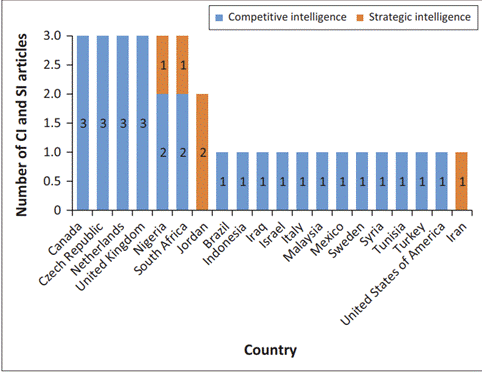
Například Česká republika se zdá být poměrně dobře seznámena s úlohou CI. Dle studie Maluleka a Chummun (2023), Česká republika je jednou z nejproduktivnějších zemí, co se týče článků o CI a SI. SI zde označuje systém, který pomáhá monitorovat a využívat environmentální proměnné obklopující organizaci, přičemž se zaměřuje na strategické informace. Ostatně počty článků dle zemí mezi roky 2008-2022 jsou zaznamenány na Obrázku 1.
Obrázek 1 – Počet článků o CI a SI v letech 2008-2022, zdroj: Maluleka a Chummun (2023)
Bylo zmíněno, že Competitive Intelligence lze provádět prostřednictvím celé řady metod a nástrojů. Jedním z takových nástrojů je bezplatná služba společnosti Google, která umožňuje uživatelům sledovat věci/společnosti jejich zájmu na základě zvolených klíčových slov. Jedná se o velmi snadno pochopitelný nástroj k zisku aktuálních informací. Nástroj lze využít ke sledování trendů, zisku informací o konkurenci či tématech vlastního zájmu. Tyto vlastnosti dělají z Google Alerts užitečný nástroj pro Competitive Intelligence.
Google Alerts je zcela bezplatná služba poskytovaná společností Google. Na internetu funguje tato služba již od roku 2003. Principem služby je monitorování nového, aktuálního obsahu na základě poskytnutých klíčových slov. Dá se využít pro sledování konkrétních společností, osob či témat. V momentě, kdy Google Alerts indexuje novou stránku, která obsahově odpovídá zadanému klíčovému slovu, dostane uživatel e-mailové upozornění. Službu lze nalézt na adrese: https://www.google.com/alerts. Při zadání webové adresy se zobrazí úvodní stránka, jejíž výřez je na Obrázku 2.
Obrázek 2 – Úvodní rozhraní Google Alerts, zdroj: Google Alerts (2025)
Uživatel Google Alerts potřebuje mít k využití Google Alerts vytvořený svůj Google účet. Jakmile ho má, je nastavení upozornění velmi snadné. Uživatel jednoduše zadá požadované klíčové slovo/slova do vyhledávacího řádku. Nicméně pro efektivní využívání nástroje je potřeba využít nastavení možností upozornění. Toto nastavení možností je vyobrazeno na Obrázku 3.
Obrázek 3 – Možnosti nastavení Google Alerts, zdroj: Google Alerts (2025)
Mezi možnosti nastavení patří (viz Obrázek 3): frekvence oznámení, zdroje, jazyk, oblast, počet výsledků. Po vybrání jednotlivých možností stačí pouze kliknout na vytvoření upozornění. Google Alerts rovnou ukazují náhled posledních upozornění na základě zadaného klíčového slova. Zde je uvedeno, jaké možnosti je tedy možné vybrat v jednotlivých řádcích.
Jak často:
V reálném čase
Maximálně jednou denně
Maximálně jednou týdně.
Zdroje:
Automaticky
Zprávy
Blogy
Web
Video
Knihy
Diskuze
Finance.
Jazyk:
Na výběr je obrovské množství jazyků. Mezi nimi nechybí ani čeština, angličtina či třeba inslandština. Je možné i zvolit všechny jazyky (z nabídky).
Oblast:
Opět velký výběr zemí z několika oblastí světa. Výběr je větší než u jazyků a opět je možné zvolit všechny oblasti.
Kolik:
Pouze nejlepší výsledky
Všechny výsledky.
Doporučit kam:
Odesílat na adresu (emailovou)
Distribuce prostřednictvím RSS (čtečka).
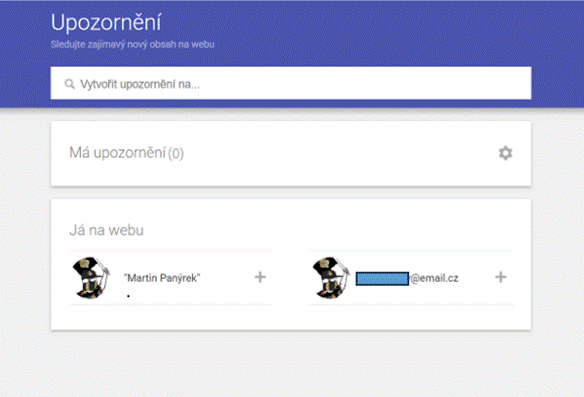
Při výpisu všech těchto možností nastavení je vidno, že možností je opravdu velký rámec. Posledním doporučeným krokem je ještě nastavení přijímání samotných upozornění. Při nepozorném nastavení může dojít k příjmu až příliš velkému počtu emailů, a to pak může být spíše nepříjemné než užitečné. V momentě, kdy si vytvoří uživatel upozornění na klíčová slova, na úvodní stránce se mu jednotlivá klíčová slova zobrazí a může kliknout na ozubené kolečko, kde se nachází poslední nastavení upozornění (viz Obrázek 4).
Obrázek 4 – Nastavení upozornění, zdroj: Google Alerts (2025)
Jakmile se na ozubené kolečko klikne, je možné nastavit čas doporučení. Lze nastavit jakoukoliv celou hodinu, tzn. například 0:00, 13:00 či 23:00. Dále je možné zaškrtnou možnost „Souhrn“, tak aby oznámení ke všem dotazům byla doručena v jedné e-mailové zprávě, což se hodí, pokud sledujete třeba hned několik společností naráz. Možnost zaslání tohoto souhrnu je opět buď maximálně jednou denně, či maximálně jednou týdně.
Jednoduchost nástroje se pojí s několika nedostatky v rámci analýzy Competitive Intelligence. Google Alerts pracuje s výsledky, které nabídne pouze veřejně přístupný web. To znamená, že se nedostane k placenému obsahu, některým sociálním sítím a třeba deep webu. Nedostane se též k uzavřeným platformám jako jsou firemní/školní intranety a interní databáze společností.
Článek Rivalsense z roku 2025 uvádí, že primárními nedostatky Google Alerts pro firemní a konkurenční zpravodajství je přetížení šumem (tzv. Noise Overload) a nedostatečné pokrytí strategicky relevantního obsahu (Blind Spots).
Na podobné nedostatky upozorňuje ve svém článku i web Contify (online článek upraven v roce 2025). Podle nich Google Alerts má potíže s určením, zda se zpráva skutečně týká společnosti. Například upozornění na firmu “Intercom” doručilo zprávy, které sice klíčové slovo (název firmy) zmiňovaly, ale samotné zprávy se dané firmy prakticky vůbec netýkaly.
Společnost Contify (2025) provedla studii, která zahrnovala náhodný vzorek 148 společností z žebříčku Fortune 1000 a testování po dobu tří pracovních dnů s „Pouze nejlepší výsledky“.
Upozornění přišlo o 136 ze 148 sledovaných společností.
Pro těchto 136 společností bylo celkem doručeno 2024 upozornění.
Ze zmíněných 2024 upozornění bylo zjištěno, že pouze 211 upozornění bylo skutečně obchodně relevantních, což odpovídá relevanci pouhých cca 10 %. Zároveň 115 příběhů, které byly obchodně relevantní pro sledovaných 136 společností nebyly zachyceny. To odpovídá zmeškání přibližně 40 % obchodně relevantního obsahu.
Google Alerts lze považovat za nástroj, který perfektně zapadá do procesu Competitive Intelligence především ve fázi monitorování a sběru informací. Umožňuje uživatelům sledovat nové zmínky o vybraných osobách, firmách či jen oblíbených tématech. Jeho výhodou je dostupnost a jednoduchost použití, díky čemuž je vhodný i pro menší firmy či jednotlivce bez přístupu k placeným CI nástrojům. Jeho jednoduchost se však pojí i s mnohými nedostatky, jakými jsou například omezený obsah zdrojů, přetížení šumem či chybějící podrobnější analýzy. Jedná se ideální doplněk programů Competitive Intelligence, kdy cílem je získat přehled o aktuálních trendech a potenciálních změnách v konkurenčním prostředí.
Kromě služby Google Alerts existují také další nástroje ke sledování aktuálních informací na internetu. Jedním z takových nástrojů je právě Talkwalker Alerts. Jedná se o bezplatnou službu poskytovanou společností Talkwalker. Stejně jako Google Alerts, i Talkwalker Alerts tak může být využíván nejen v podnikové praxi v rámci Competitive Intelligence. Jedná se o skvělý nástroj pro sledování novinek o konkurenčních firmách/osobách, značkách či oblíbených tématech.
Talkwalker Alerts běží na velmi podobném principu jako Google Alerts – uživatel zadá klíčové slovo/slova, která chce sledovat a systém mu pak zasílá upozornění na nové výskyty těchto slov. Službu Talkwalker Alerts lze nalézt na adrese: https://alerts.talkwalker.com/alerts/.
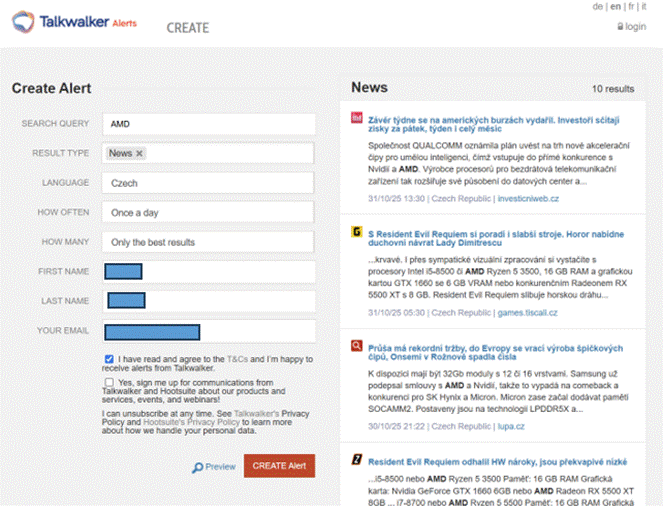
Na Obrázku 5 je vidět, jak vypadá úvodní strana Talkwalker Alerts po vyplnění informací a stisknutí tlačítka „preview“ (náhled). Začne se samotným zadáním klíčového slova, následuje typ výsledku, jazyk, frekvence, počet, křestní jméno, příjmení a email. Přestože na první pohled to vypadá stejně jako Google Alerts, existují mezi těmito dvěma službami rozdíly, mezi něž patří:
Výběr jazyků je menší než u Google Alerts.
Mezi typy výsledků je na výběr news (novinky), Twitter (dnes spíše X), blogs (blogy) a discussions (diskuzní fóra). To naznačuje o něco přesnější vyhledávání, širší mediální pokrytí, možnost sledovat zmínky v sociálních sítích (X/twitter).
K zaslání informací není potřeba Google účet, lze využít jakoukoliv emailovou adresu.
Je potřeba zadat jméno a příjmení (lze ovšem zadat cokoliv).
Celá stránka je pouze v angličtině, němčině, francouzštině či italštině. Oproti tomu Google Alerts lze obsluhovat (viz předchozí obrázky) v češtině.
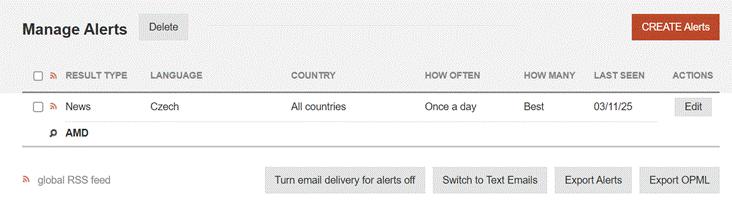
Jakmile nastavení upozornění úspěšně dokončíte, zobrazí se stránka s již vytvořenými aletry (viz Obrázek 6).
Dle oficiálních stránek společnosti Talkwalker je služba Talkwalker Alerts úzce propojena s placenou analytickou platformou Talkwalker Analytics, která umožňuje komplexní analýzu online médií, sentimentu a konkurence. Ovšem právě bezplatná varianta Alerts tak slouží jako vstupní úroveň tohoto pokročilejšího systému a umožňuje uživatelům vyzkoušet základní principy automatizovaného sběru dat.
Výhodou Talkwalker Alerts je stejně jako u Google Alerts jednoduchost a přímočarost. Uživateli stačí pouze založit si (zcela zdarma) účet pomocí emailové adresy a ihned poté může začít s vytvářením upozornění.
Dle článku Toma Winwarda z roku 2013 byla však vytvořená upozornění, která Talkwalker posílá poměrně nekvalitní. Často přicházela upozornění z neudržovaných webových stránek. Zároveň byla spousta upozornění zcela irelevantních. Přestože má autor možnost vybrat si jazyk upozornění, přicházely uživatelům zprávy i cizojazyčné.
Winward (2013) též tvrdil, že služba měla problémy s nastavením účtu RSS čtečku (alternativa zasílání upozornění na email). Uživatel sice mohl vložit odkaz na feed a dostávat všechna upozornění najednou, jenže pak se všechny výsledky zobrazily v jednom dlouhém seznamu pod názvem „Talkwalker“. Pokud si uživatel chtěl výsledky rozlišit podle jednotlivých upozornění, musel importovat každý RSS feed zvlášť. To však může být velmi zdlouhavé a zbytečně náročné, hlavně když uživatel spravuje velké množství upozornění.
Web oficiální stránky Talkwalker (2025) uvádí jako jednu z největších výhod možnost úpravy upozornění pomocí Booleanských operátorů. Uživatel může použít AND (výsledky zahrnou obě klíčová slova), AND NOT (výsledky vyloučí druhé klíčové slovo) nebo OR (výsledky zahrnou jedno nebo druhé klíčové slovo). Lze také používat uvozovky pro přesné řetězce slov a závorky pro komplexní dotazy.
Pravděpodobně nejdůležitější nedostatek, zejména právě v rámci Competitive Intelligence je však nedostatek zmíněný Michaelem Brito (2023). Brito zmiňuje, že Talkwalker Alerts (stejně jako Google Alerts) postrádá pokročilejší placené funkce, jako jsou vlastní reporty, export, API a hlubší analytika. Existují také omezení přístupu k datům na některých sociálních platformách.
Talkwalker Alerts je užitečným nástrojem ke Competitive Intelligence a je zcela zdarma. Lze ho použít jako zdroj aktuálních informací a novinek o konkurenčních firmách, osobách či obecně trendech na trhu. Jednoduché nastavení upozornění umožňuje snadný sběr dat a informací.
Na rozdíl od Google Alerts nabízí i částečné pokrytí sociálních sítí (Twitter/X), odkud se dají mnohdy získat informace o změně trendů. Lze tak sledovat i třeba hodnocení, recenze jednotlivých firem či produktů.
Stejně jako Google Alerts je však služba velmi omezená pro opravdu kvalitní analýzu v rámci Competitive Intelligence. Systém nenabízí hlubší analýzu dat, API či reporty. V rámci Competitive Intelligence je tedy potřeba brát nástroj spíše jako doplněk mnohem komplexnějších programů/metod Competitive Intelligence. Přesto však vidím velkou výhodu oproti Google Alerts v možnosti využít Booleovské atributy, čím lze dospět k relevantnějším výsledkům.
Závěr
Cílem práce byla analýza využití nástrojů Google Alerts a Talkwalker Alerts v Competitive Intelligence (CI). Úvodní část práce se zabývala přestavením samotného konceptu a role CI, dále byly představeny základní metody a podtypy. Byla též zmíněna výkonnost a proti tomu také nedostatky CI.
Po teoretickém úvodu práce následoval popis prvního z vybraných nástrojů – Google Alerts. Byl vysvětlen a popsán princip fungování, možnosti nastavení a hlavní přínosy i omezení této služby. Podobným způsobem byla analyzována i služba Talkwalker Alerts, která funguje na poměrně obdobném principu, avšak nabízí mírně širší mediální pokrytí a možnost využívat Booleovské operátory pro přesnější a relevantnější vyhledávání.
Pro Competitive Intelligence se dají obě služby považovat za vhodné – přístroje nabízejí poskytují aktuální informace o zvolených firmách/osobách/tématech. Hlavní výhodou obou nástrojů je jednoduchost a také to, že oba nástroje jsou zcela zdarma. Naopak nevýhodou nástrojů jsou mnohdy nekvalitní či nerelevantní výsledky, omezené analytické funkce (spíše neexistující).
Oba nástroje lze tedy chápat spíše jako doplněk ke kvalitnějším systémům/službám v rámci Competitive Intelligence než jako plnohodnotný nástroj.
Použitá literatura
Calof & Wright (2008). Competitive Intelligence: A Practitioner, Academic and Inter-Disciplinary Perspective
Fleisher & Bensoussan (2007). Business and Competitive Analysis: Effective Application of New and Classic Methods
Bond, C. (2022). I Used Google Alerts to Collect Intel for a Month. Here Are 5 Things I Missed. Crayon Blog. https://www.crayon.co/blog/google-alerts?
Fadhlurrahman, Muhammad & Riyanta, Stanislaus & Ras, Abdul. (2024). The Role of Competitive Intelligence in Strategic Decision-Making: A Literature Review. Asian Journal of Engineering, Social and Health. 3. 2307-2324. 10.46799/ajesh.v3i9.411.
Tan, Bing & Foo, Schubert & Hui, Siu. (2002). Web Information Monitoring for Competitive Intelligence.. Cybernetics and Systems. 33. 225-251. 10.1080/019697202753551620.
Tahmasebifard, H. (2018). The role of competitive intelligence and its sub-types on achieving market performance. Cogent Business & Management, 5(1). https://doi.org/10.1080/23311975.2018.1540073
Maluleka, Mpho & Chummun, Bibi Zaheenah. (2023). Competitive intelligence and strategy implementation: Critical examination of present literature review. SA Journal of Information Management. 25. 10.4102/sajim.v25i1.1610.
Contify, T. (2025, July 11). Google Alerts for Company Tracking: Effectiveness & Alternatives. Contify | Market and Competitive Intelligence Software. https://www.contify.com/resources/blog/how-good-are-google-alerts-for-tracking-companies-a-litmus-test/?
RivalSense. (2025, May 15). Google Alerts for Competitor Tracking: A Practical guide (And when to upgrade). RivalSense AI – Uncover Strategic Signals. https://rivalsense.co/intel/google-alerts-for-competitor-tracking-a-practical-guide-and-when-to-upgrade/?
Talkwalker Inc. (2025). Talkwalker Alerts: The Best Free Alternative to Google Alerts. Talkwalker Alerts: The Best Free Alternative to Google Alerts; Talkwalker. https://www.talkwalker.com/alerts?
Winward, T. (2013, October 22). Mention vs Talkwalker: Alert Monitoring Tool Comparison | Browser Media. Browser Media. https://browsermedia.agency/blog/mention-vs-talkwalker-alert-monitoring-tool-comparison/?
Brito, M. (2023, September 20). Talkwalker Consumer Intelligence Gives Marketers AI-Driven Insights. Michael Brito. https://www.britopian.com/data/talkwalker-consumer-intelligence/?
Prohlášení o využití nástrojů umělé inteligence
Při zpracování této práce jsem využíval nástroj NotebookLM od společnosti Google. Nástroj byl využit k orientaci ve vybraných zdrojích a kontrole, zda se jedná o relevantní zdroje informací. K úpravě textu jsem další nástroje nepoužíval.
Generativní umělá inteligence představuje moderní technologii schopnou automaticky vytvářet obsah, včetně textů, vizuálních materiálů či interaktivních úloh, a její význam ve vzdělávání stále roste. Tato technologie nabízí nové možnosti pro podporu učení, individualizaci výuky a efektivní zpětnou vazbu a zároveň umožňuje transformovat tradiční vzdělávací metody a přístupy. Učitelé i studenti díky ní mohou rychleji získávat informace, vytvářet přehledné materiály nebo si nechat vysvětlit složitější témata způsobem, který lépe odpovídá jejich potřebám. Současně ale vyvolává i řadu otázek, které nelze přehlížet. Objevují se především obavy týkající se kvality generovaného obsahu, jeho přesnosti a vhodného používání ve výuce. Důležitým tématem je také ochrana osobních údajů studentů, bezpečnost práce s daty a možné riziko, že se studenti začnou na technologie příliš spoléhat a oslabí tím své vlastní schopnosti učit se a kriticky přemýšlet. Tyto problémy ukazují, že zavádění generativní AI do vzdělávání musí být promyšlené a opírat se o jasná pravidla i odpovědný přístup. Cílem této práce je proto analyzovat přínosy a rizika využití generativní AI ve vzdělávání, identifikovat hlavní etické a metodologické výzvy a představit doporučené postupy, jak tuto technologii začlenit do výuky, aby skutečně podporovala učení a zároveň byla používána bezpečně a s ohledem na potřeby všech účastníků vzdělávacího procesu.
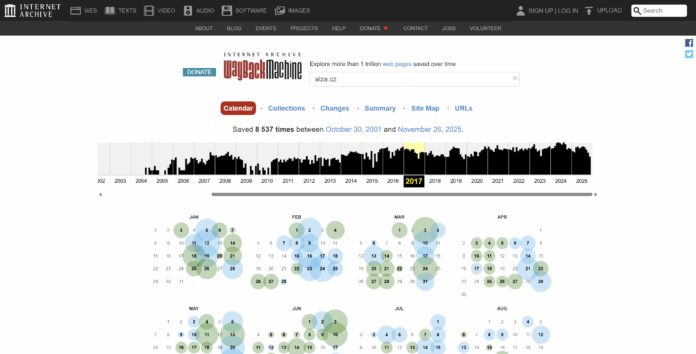
Tato esej vychází z literární rešerše a dostupných odborných zdrojů. Zaměřuje se na články, studie a zprávy věnující se generativní AI a jejímu využití ve vzdělávání. Informace byly hledány pomocí běžných vyhledávačů a přesnějších dotazů (tzv. Google dorking), které umožnily najít konkrétní dokumenty, například PDF směrnic nebo analýz.
Pro organizaci a správu bibliografických údajů byl použit nástroj Zotero, který umožnil systematickou evidenci zdrojů, práci s citacemi i následné vytváření bibliografie podle citačního stylu APA.
Umělá inteligence (konkrétně ChatGPT) byla využita při vyhledávání zdrojů, kontrole textu, vytváření přehledné struktury a analýze textů. AI pomohla shrnout hlavní myšlenky, identifikovat klíčová témata a provést rychlou srovnávací analýzu jednotlivých dokumentů. Veškeré výstupy byly následně kriticky zhodnoceny a doplněny podle odborné literatury.
Generativní umělá inteligence (AI) představuje technologie schopné automaticky vytvářet obsah, například texty, úlohy, vysvětlení či multimediální materiály podle zadaných vstupů. Ve vzdělávacím kontextu slouží k podpoře procesu učení, tvorbě materiálů a asistenci studentům i učitelům. AI je využívána k zpracování a generování informací na míru, což umožňuje přizpůsobení výuky individuálním potřebám studentů a pedagogickým cílům učitele.
Mezi hlavní aplikace generativní AI ve vzdělávání patří tvorba studijních materiálů, například generování otázek, shrnutí textů, vysvětlení složitých konceptů či návrh úkolů. Dále může asistovat při hodnocení a poskytování zpětné vazby, například kontrolovat formální kvalitu prací studentů, identifikovat chyby a upozorňovat na nejasnosti. AI také umožňuje analyzovat velké množství dat, například texty studentů nebo výsledky testů, a identifikovat vzorce v učení, čímž podporuje informovaná rozhodnutí učitelů.
Další oblastí využití je zajištění inkluzivity a přístupnosti. Generativní AI dokáže přizpůsobit materiály studentům s různými vzdělávacími potřebami, například poskytovat překlady, zjednodušené texty, vizuální podporu nebo asistenci studentům s hendikepy. Studenti tak mohou získat materiály přizpůsobené jejich tempu a úrovni znalostí. AI může rovněž podporovat kreativitu a spolupráci, protože umožňuje experimentovat s nápady, tvořit texty, vizualizace nebo multimediální projekty.
Generativní umělá inteligence přináší do vzdělávání řadu významných příležitostí, které mohou zásadně proměnit způsob učení i výuky. Jednou z největších výhod je možnost skutečné personalizace. AI dokáže přizpůsobovat výukové materiály individuálním potřebám žáků, poskytovat rychlou zpětnou vazbu a podporovat učenlivost každého studenta podle jeho tempa, úrovně či konkrétních obtíží. Tím se otevírá prostor pro inkluzivnější vzdělávání, v němž mají větší šanci uspět i žáci, kteří byli doposud systémem opomíjeni nebo nedostatečně podporováni. Stejný potenciál se projevuje také v globálním měřítku, protože AI usnadňuje šíření kvalitního vzdělávání i do oblastí s omezenými zdroji a může přispívat ke snižování nerovností.
Významným přínosem je i úleva, kterou AI přináší učitelům. Může převzít rutinní a administrativní úkoly, pomáhat při tvorbě materiálů či při hodnocení a tím uvolňovat čas pro skutečnou pedagogickou práci, osobní podporu a interakci se studenty. Učitel tak získává více prostoru pro rozvoj tvořivého, reflektivního a facilitujícího přístupu. Pokud je AI používána jako nástroj a partner, nikoli jako náhrada, posiluje učitelskou autonomii a podporuje jejich profesní růst. Současně přispívá ke zvyšování digitálních kompetencí – učitelé, vývojáři i tvůrci vzdělávacích politik se učí lépe rozumět technologiím, datům i etickým otázkám spojeným s jejich využíváním.
Dalším důležitým aspektem je škálovatelnost a globální dopad AI. Technologie umožňuje poskytovat kvalitní vzdělávací obsah širokému spektru studentů, a to i v oblastech s omezenou dostupností kvalifikovaných učitelů či vzdělávacích zdrojů. Díky tomu je možné podporovat spravedlivější a inkluzivnější vzdělávací systémy, které reflektují rozmanitost studentů a jejich individuální potřeby. AI tak přispívá nejen k rozvoji jednotlivců, ale i k transformaci vzdělávacího systému jako celku, podporuje inovativní přístupy a zvyšuje kvalitu vzdělávání na lokální i globální úrovni.(Aguilar et al. 2024; García-López a Trujillo-Liñán 2025; Nyhan a Marshall 2024; Szilvia b.r.)
Generativní umělá inteligence přináší do vzdělávání nejen řadu příležitostí, ale také důležité etické a regulační otázky, které je nutné pečlivě zvážit. Jedním z hlavních rizik je nadměrná závislost studentů na těchto technologiích. Příliš časté spoléhání na AI může omezovat jejich schopnost samostatně přemýšlet, analyzovat informace a řešit problémy. Pokud studenti používají AI bez dostatečného vedení, hrozí, že se omezí rozvoj kritického myšlení a schopnosti učit se vlastním tempem. To pak vede k dlouhodobým negativním dopadům na jejich intelektuální růst i udržitelnosti vzdělávacích výsledků.
Důležitým tématem je také ochrana osobních údajů. Generativní AI vyžaduje sběr a analýzu dat studentů, a pokud není správně řízena, může docházet k jejich nesprávnému použití či úniku citlivých informací. Rizika spojená s ochranou soukromí a transparentním nakládáním s daty jsou proto zásadní a vyžadují jasná pravidla a standardy pro školy i vývojáře vzdělávacích nástrojů.
Pozornost je nutné věnovat také problému algoritmické zaujatosti a diskriminace. AI systémy mohou neúmyslně reprodukovat stávající sociální nerovnosti a posilovat stereotypy, což ovlivňuje spravedlivost vzdělávacího procesu a rovný přístup ke kvalitnímu učení. Tento problém je obzvlášť citlivý v prostředích, kde už existují rozdíly v technologických možnostech a digitálních dovednostech studentů.
Integrace AI do vzdělávání vyvolává změny v dosavadní práci učitelů a jejich profesní roli. Zavedení AI do výuky vyžaduje přizpůsobení pedagogických postupů, sladění s cíli vzdělávání a rozvoji nových kompetencí. Učitelé se tak mohou potýkat s profesním stresem, nejistotou a tlakem na rychlou adaptaci.
Další problém souvisí s nedostatečnou transparentností mnoha AI systémů, tzv. „black box“. Studenti i učitelé často nevidí, jak AI dospěla k určitým výsledkům, což snižuje důvěru ve výstupy a komplikuje jejich ověřování. Srozumitelné a vysvětlitelné mechanismy rozhodování jsou proto nezbytné pro udržení kvality výuky a podporu samostatného a aktivního učení studentů.
Halucinace AI představují další významný problém. Jde o situace, kdy model generuje text, který působí věrohodně, ale obsahuje nepřesné nebo zcela smyšlené informace, což může vést k šíření nepravdivých faktů. Tyto chyby vznikají nejen kvůli nejasně formulovaným promptům, ale také z omezení samotného modelu, například nedostatku relevantních trénovacích dat nebo nepřesnostem v procesu generování odpovědi. I při dobře strukturovaných pokynech není zaručena správnost výstupu, což ve vzdělávacím prostředí komplikuje ověřitelnost informací a může ohrozit kvalitu výuky.
V neposlední řadě je potřeba brát v úvahu i možnost zneužívání AI studenty k podvádění nebo k obcházení vlastního učení. I když AI může být cenným nástrojem pro získávání zpětné vazby a podporu učení, její nesprávné používání může ohrozit akademickou poctivost. Proto je důležité kombinovat technologické nástroje s vhodnými pedagogickými postupy a současně podporovat digitální gramotnost studentů tak. Jen tak lze zajistit, že AI bude sloužit jako prostředek k rozvoji jejich schopností, nikoli jako zkratka k dosažení výsledků bez skutečného porozumění. (Aguilar et al. 2024; Anh-Hoang, Tran, a Nguyen 2025; García-López a Trujillo-Liñán 2025; Nyhan a Marshall 2024; Szilvia b.r.)
Etické zavádění generativní umělé inteligence do vzdělávání vyžaduje soubor promyšlených kroků, které zohledňují technologické, sociální i pedagogické aspekty. Jedním z klíčových doporučení je budování inkluzivních a adaptivních regulačních rámců. Výzkum ukazuje, že je nezbytné vytvářet pravidla, která zajistí transparentnost, odpovědnost a ochranu soukromí, přičemž tato pravidla musejí být dostatečně flexibilní, aby dokázala reagovat na rychlý vývoj technologií. Je proto důležité, aby se na tvorbě takových regulací podíleli učitelé, vývojáři, studenti i tvůrci vzdělávacích politik, protože právě tato spolupráce může vést k efektivnějšímu a spravedlivějšímu zavádění AI do praxe.
Zásadní roli hraje také posilování digitální gramotnosti a porozumění etickým otázkám spojeným s AI. Studenti i učitelé potřebují hlubší znalosti o tom, jak tyto technologie fungují, jaké mají limity a jaká rizika mohou přinášet. Učitelé by měli mít možnost procházet cíleným školením, která jim umožní kriticky pracovat s výstupy AI a integrovat je vhodným způsobem do výuky. Podobně i studenti musí získat nástroje, které jim pomohou využívat AI odpovědně, reflektovat její výstupy a rozpoznat případná zkreslení v generovaném obsahu.
Další oblastí je potřeba zajištění rovného přístupu k technologiím. Bez odpovídající infrastruktury může zavádění AI snadno prohlubovat existující nerovnosti mezi studenty a školami. Přístup k těmto technologiím musí být rovnoměrně rozložen napříč školami i regiony, což zahrnuje dostupnost zařízení, připojení k internetu i vhodných vzdělávacích platforem. V tomto kontextu se zdůrazňuje význam vícestranné spolupráce mezi státními institucemi, školami, technologickými firmami a občanskou společností, která může napomoci dlouhodobě udržitelné implementaci AI do vzdělávání.
Důležité je rovněž dbát na transparentnost a vysvětlitelnost systémů umělé inteligence. Uživatelé vzdělávacích technologií potřebují jasně rozumět tomu, jak AI dospívá ke svým doporučením a jaké mechanismy rozhodování se v pozadí odehrávají. Tato otázka je obzvlášť významná v případech, kdy AI přímo ovlivňuje výuku nebo evaluaci studentů. Technologie, jejichž rozhodovací procesy jsou skryté, mohou snižovat důvěru ve výsledky, ztěžovat jejich ověřování a komplikovat pedagogické vedení. Součástí tohoto doporučení je i zavádění nástrojů pro audit, hodnocení spravedlnosti a možnost poskytovat zpětnou vazbu na chování digitálních systémů.
Nakonec je pro etické využívání AI klíčové aktivní zapojení učitelů do vývoje a hodnocení těchto technologií. Učitelé nesmějí být pouze uživateli systémů, které někdo jiný navrhl, ale měli by mít možnost podílet se na jejich vzniku a úpravách. Tento přístup podporuje nejen jejich profesní autonomii, ale také zvyšuje šanci, že budou nástroje odpovídat reálným pedagogickým potřebám. Zapojení učitelů do pilotních testů, spoluvytváření vzdělávacích platforem a společné vyhodnocování jejich dopadů může výrazně přispět k tomu, že AI se stane smysluplným a eticky udržitelným pomocníkem ve vzdělávání.(Aguilar et al. 2024; Nyhan a Marshall 2024; Szilvia b.r.; Teacher digital competences 2023)
Generativní umělá inteligence představuje technologie, které mohou významně obohatit vzdělávací proces a přinést nové možnosti pro individualizaci učení, dostupnost studijních materiálů i efektivnější zpětnou vazbu. Současně však její využívání vyvolává řadu etických, pedagogických i metodologických otázek, které nelze přehlížet. Přínosy AI mohou být plně využity pouze tehdy, pokud budou pečlivě zohledněna rizika spojená s nadměrnou závislostí studentů na technologiích, ochranou osobních údajů, algoritmickou zaujatostí nebo nedostatečnou transparentností rozhodovacích procesů. Klíčovou roli hraje připravenost učitelů a jejich schopnost pracovat s nástroji AI kriticky a smysluplně. Integrace těchto technologií není pouze technickou otázkou, ale zasahuje do samotných principů pedagogické práce a vyžaduje rozvoj nových kompetencí. Stejně podstatné je posilování digitální gramotnosti studentů, aby dokázali porozumět možnostem i limitům AI a používali ji způsobem, který podporuje jejich učení, nikoli ho nahrazuje. Etické zavádění generativní AI do vzdělávání musí být založeno na promyšlených regulacích, otevřené komunikaci a spolupráci všech zúčastněných aktérů. Jen tak lze vytvořit prostředí, ve kterém bude AI sloužit jako nástroj podporující kvalitu výuky, rovné příležitosti a dlouhodobý rozvoj studentů. Budoucnost vzdělávání proto nespočívá pouze v samotných technologiích, ale především v tom, jakým způsobem je společnost dokáže začlenit do výuky tak, aby byly využity jejich přednosti a zároveň minimalizovány možné negativní dopady.
Aguilar, Stephen J, William Swartout, Benjamin Nye, Gale Marie Sinatra, Changzhao Wang, a Eric Bui. 2024. „Critical Thinking and Ethics in the Age of Generative AI in Education”. doi:10.35542/osf.io/7dr9j.
Anh-Hoang, Dang, Vu Tran, a Le-Minh Nguyen. 2025. „Survey and Analysis of Hallucinations in Large Language Models: Attribution to Prompting Strategies or Model Behavior”. Frontiers in Artificial Intelligence 8. doi:10.3389/frai.2025.1622292.
García-López, Iván Miguel, a Laura Trujillo-Liñán. 2025. „Ethical and Regulatory Challenges of Generative AI in Education: A Systematic Review”. Frontiers in Education 10. doi:10.3389/feduc.2025.1565938.
Nyhan, Marguerite, a Kevin Marshall. 2024. „The Ethical Application of Generative Artificial Intelligence in Supporting Education for Sustainable Development Globally”.
Szilvia, MALIK GAME. „Balancing Human Teachers and AI in Education: A Discussion Paper from Ethical, Legal and Social Perspectives”.
„Teacher Digital Competences: Formal Approaches to Their Development: OECD Digital Education Outlook 2023″. 2023. OECD. https://www.oecd.org/en/publications/oecd-digital-education-outlook-2023_c74f03de-en/full-report/teacher-digital-competences-formal-approaches-to-their-development_4a05344c.html (21. listopad 2025).
The issue of hybrid warfare has emerged as a critical topic in contemporary international relations. In recent years, there have been numerous instances where foreign countries, typically large and influential ones such as Russia or China, have intervened in elections to expand their geopolitical influence in those countries.
From an electoral perspective, the last year was historic, often considered as a “super year”. More than 50 countries worldwide held elections in some form. The total population of these countries was approximately 4.2 billion people. In the USA, there was a race for the White House between Donald Trump and Kamala Harris (after Joe Biden withdrew). The world’s largest democracy, India, held general elections. And so did others, such as the European Union, Mexico, Bangladesh, Taiwan, etc. Such a large number of people going to the polls poses a threat to democracies and an opportunity for the major geopolitical actors (Russia, China…).
Like everything else in this world, methods of election interference evolve. Historically, forms of election interference have involved physical activities such as intimidation, burning ballot papers, and tampering with ballot boxes. Today, the methods used to achieve the goal are fundamentally different. Attackers target social networks like TikTok, Facebook and YouTube. Furthermore, they are establishing websites specially designed to spread fake news and propaganda. This shift is alarming, and we should be concerned not only because of the correct counting of votes to determine the winner or to obtain accurate vote shares, but even more so because of the damage or even destruction of trust in the fairness of elections and, thus, in democracy itself.
This paper is structured into four main sections. First, we will look at and analyse the history, evolution, and goals of the attackers. The second part will focus on the methods and tools used in hybrid warfare and hybrid attacks. The third section will provide a comparative analysis of case studies, mentioning some cases where hybrid warfare played a significant role, whether successfully executed or, fortunately, detected in time. And finally, the paper will focus on and discuss current threats and dangers, as well as potential solutions for protecting democracy, and, if possible, how we can ensure election independence.
This leads to the main paper question: In this age of digital connectivity, Artificial Intelligence and an immeasurable amount of information to process, is it possible to ensure truly independent elections, or must we resign ourselves to the fact that every election is a battlefield?
To understand the current threats to electoral processes, it is essential to define the term “hybrid warfare.” For this purpose, I will cite one of the leading theorists in this field, Frank G. Hoffman. In his work named Conflict in the 21st Century: The Rise of Hybrid Wars, he defines hybrid wars as follows:
“Hybrid Wars can be conducted by both states and a variety of nonstate actors. Hybrid Wars incorporate a range of different modes of warfare, including conventional capabilities, irregular tactics and formations, terrorist acts including indiscriminate violence and coercion, and criminal disorder.” (Hoffman, F., 2007, P. 14)
Hybrid warfare is therefore not just one type of attack, but a combination of many modes used together. It does not have to occur solely on the physical battlefield, but also, as mentioned previously, on the internet, in the media, and in other domains. Furthermore, these attacks do not originate solely from states; numerous non-state actors are also attempting to maximise the benefits of these attacks.
Frank G. Hoffman also adds:
“These multi-modal activities can be conducted by separate units, or even by the same unit but are generally operationally and tactically directed and coordinated within the main battlespace to achieve synergistic effects. The effects can be gained at all levels of war.” (Hoffman, F., 2007, P.29)
That means that attackers do not act randomly. Disinformation and attacks on digital infrastructure are often coordinated by a command centre, allowing their effects to be multiplied (synergy). If we relate this to elections, we can see this type of synergy, for instance, in the simultaneous dissemination of false information and fake news, as well as the spreading of hatred among people (there are many other examples, of course), to undermine trust in democracy. Although this work dates back to 2007, it remains an accurate description of hybrid warfare.
Very important to say that hybrid attacks very often lie in a controversial area somewhere between routine state policy and open warfare. This area is known as “the grey zone”. Attacks are intentionally carried out in such a way as to remain within the borders of the law or at least below the threshold of a military reaction. While these attacks are often damaging for the state, it is not a reason, for instance, to activate Article 5 of the NATO Treaty. Attackers thus achieve strategic successes with low effort and minimal risk.
However, discussing elections in the context of warfare can be somewhat misleading. There aren’t usually any tanks, soldiers or aircraft involved. François du Cluzel, head of innovative projects at the NATO Allied Command Transformation Innovation Hub, describes a new form of warfare known as Cognitive Warfare. In the article from NATO Innovation Hub – Cognitive Warfare, he states:
“Cognitive Warfare is therefore the way of using knowledge for a conflicting purpose. In its broadest sense, cognitive warfare is not limited to the military or institutional world. Since the early 1990s, this capability has tended to be applied to the political, economic, cultural and societal fields. Any user of modern information technologies is a potential target. It targets the whole of a nation’s human capital.” (du Cluzel, F., 2021, P. 6)
Attackers, therefore, are not aiming at the state’s infrastructure, like roads or factories, but at the brain’s infrastructure. Their goal is to, in some way, change people’s thinking or lead them toward a specific idea. These days, it is very crucial during elections because even though individual opinions may seem unimportant, their collective decision in the polls can change the geopolitical orientation of the entire country, and the impact on state sovereignty can be devastating.
And what does cognitive warfare look like in practice? For this, I will refer again to some lines from du Cluzel:
“Cognitive warfare pursues the objective of undermining trust (public trust in electoral processes, trust in institutions, allies, politicians…), therefore the individual becomes the weapon, while the goal is not to attack what individuals think but rather the way they think.” (du Cluzel, F., 2021, P. 8)
This means the goal is to change people’s perception of reality before they go to the ballot boxes. Attackers often exploit emotions, such as anger and fear, combined with an overwhelming amount of information. This leads to confusion about the target, as they do not know what to believe. In contrast to propaganda, which was commonly used in the 20th century (but it is still used in some countries), cognitive warfare does not necessarily try to claim, “we are the best”, but, on the contrary it spreads messages like “they are all bad, they don’t like you, corruption is everywhere, do not vote”. Thus, the goal is to spread social passivity and hatred among the population.
The effort to influence the enemy is as old as war itself; instead of spies targeting the highest echelons of government officials, social networks and the internet now focus on ordinary citizens. Even though technology changes, the essence remains the same. The current conflicts are not state-versus-state fighting with military strengths, but rather more complicated, targeting the human mind. Now, let’s take a look at some history and evolution of methods used in hybrid warfare.
J. E. Leonardson, in his review of books Active Measure by Thomas Rid and Information Wars by Richard Stengel, states:
“State-sponsored covert influence operations (…) began a century ago, pioneered by the nascent Bolshevik regime.” (Leonardson, J. E., 2020, March, P.1)
The state-funded operations are therefore not new. We can trace their roots back a hundred years, to the time of the Bolshevik regime. In the book Active Measures, the concept of a “modern era of disinformation” is introduced. This era is then divided into four main waves.
The first started forming in the early 1920s, so in the interwar years. In this wave, “The Trust” – a Soviet organisation that existed, or was believed to exist, for five years – operated.
“The story involves revolutionary Communist spies, exiled royal insurgents, love, exortion, kidnappings, mock and real executions, a fake book (…)” (Rid, T., 2020, P.14)
The Soviet Čeka, predecessor of the KGB, used these “weapons” to destroy the opposition in exile. As mentioned earlier, it marked the beginning of an era of state-funded, secret, and influential operations.
The second wave came after World War II. Disinformation became more sophisticated and professionalised. Names of the acts were different. In the USA, the CIA called it “political warfare”. This designation is a very broad term. In contrast, the Eastern Bloc introduced the more precise term “disinformation”, which is commonly used today. Whatever the name, the goals of both sides were the same: to increase tension in the nation of the adversary by leveraging facts, misinformation, or a combination of both.
The third wave starts in the late 1970s. The disinformation became very sophisticated and well-resourced, administered by a bureaucratic apparatus. The Soviet Union gained the upper hand and became increasingly influential. However, everything in excess is harmful, and the Soviet Union ultimately collapsed, taking much of its ideology with it. That does not mean today’s Russia has stopped spreading disinformation. On the contrary.
With the fourth wave, we get to the 21st century. Disinformation has been reborn and reshaped by modern technologies and the internet, reaching its peak in the mid-2010s. The old trend of slow, sophisticated influence had given way to a high-tempo approach with a lack of professionalism. Everything was fast, and there was too much information to process. It became more effective and less measured, so the protection became weaker and weaker.
The goals of attackers are usually connected with influence. Authoritarian regimes perceive a strong and unified democracy as a threat. They aim to destabilise and undermine trust in political institutions, influence public opinion, or erode trust in democratic processes or democracy itself. They also want to polarise society into two parts that do not communicate with each other and blame each other for everything bad, thereby paralysing the state and making it impossible to make effective decisions, not only in foreign policy.
One of the most common ways is associated with the elections. These prominent political actors, mentioned in the introduction, attempt to put forward their candidate for election, which will promote a policy of these powers, thereby gaining more influence and enabling them to trade with this country under better conditions. This candidate can also cancel the sanctions against this power or sabotage the alliance’s effort.
It is important to note that this candidate does not have to originate from the country attempting to influence the target. It can be a candidate who, for instance, tries to promote an isolationist policy, therefore does not want to cooperate with other countries. This approach we can see nowadays in the USA, named “America First”. The USA withdraw their forces from Europe and other parts of the world back to America and concentrates them there. Europe, therefore, is weakened, and other powers, such as Russia, can act more freely.
Even if this candidate does not win, at least part of the goal can be achieved – that is, the separation of society into two big halves fighting against each other. This leads to distrust in the state and the electoral process itself.
“It’s not news that terrorists and dictators can spread their lies faster and more effectively than ever (…) Stengel believes the US government as a whole has sunk into paralysis and unable to mobilize even a fraction of its vast resources to fight an information war. Hostile messages move too fast and too nimbly—trolls at the IRA do not have to coordinate their tweets with various desks or agencies before releasing them” (Leonardson, J. E., 2020, March, P.4)
In contrast to the theoretical part, this chapter will focus on the practical one. It will focus on the types of hybrid attacks, their usage, the process of employing them, and their outcomes. It is essential to note that the attackers do not rely solely on one type of attack, but rather a combination of them to achieve a more powerful effect. This chapter will consist of three parts: Information Tools, Cyber Tools, and Technological Tools.
This is one of the most visible parts of hybrid warfare. For this chapter, it is necessary to explain three similar but not the same terms. The first of them is Misinformation – it is a situation where false information is shared, but no harm is meant. Then there is Disinformation – this is a situation where false information is knowingly shared to cause harm. And the last of those terms is Malinformation – a situation where genuine information is shared to cause harm, often by disclosing information intended to remain private in the public sphere. Hybrid warfare relies on the fact that ordinary people will mainly share disinformation, believing it to be true, and inadvertently spread misinformation.
One of the models, used in Russia, is “Firehose of Falsehood”. The RAND Corporation describe this term like this:
“We characterize the contemporary Russian model for propaganda as “the firehose of falsehood” because of two of its distinctive features: high numbers of channels and messages and a shameless willingness to disseminate partial truths or outright fictions. In the words of one observer, “New Russian propaganda entertains, confuses and overwhelms the audience.”” (Wardle, C., & Derakhshan, H., 2017, September 27)
Russian propaganda is therefore produced at an extensive tempo, and it is distributed via a large number of channels. It is hidden in texts, videos, images, or audio shared on the internet, social media, as well as in national broadcasts and radio. Because this propaganda is disseminated quickly, it is more likely to be accepted as a fact. This is because the human mind tends to accept the first information it receives, and trustworthy media take the time to clarify the information.
The overload of this disinformation compounds this effect, so the true and clarified ones are lost in this mesh. For this model, the armies of “trolls” are paid and concentrated. In the past, these groups consisted of real people, but nowadays, with the rise of Artificial Intelligence, these real people are being replaced, or more accurately, supplemented by bots. Their goal is to share posts, comments, or create followers and views to create the impression that there are many times more people who follow these opinions than there really are.
In this chapter, two methods will be described. The first is called “Hack-and-Leak”. In this method, hackers or a group of hackers use cyber tools to gain access to sensitive or secret material. It can include secret documents, photos, videos, and other resources that could cause harm to the target. After obtaining these resources, attackers can take multiple actions. They can sell this information to generate money, use it for manipulation and blackmail, or, as we will focus on later, use it to manipulate public opinion and influence potential election polls.
The second method is broader and more immoral. It is called “Tainted Leaks”. In this approach, attackers use the information they obtain, but they edit or add to it to alter its meaning. This method was used in the past, as is reported by J. E. Leonardson:
“Soviets’ most successful information operations did not rely exclusively on lies or forgeries. Instead, they generally were built on foundations of truth that lent credibility to small amounts of added-on falsehoods.” (Leonardson, J. E., 2020, March)
The goal of these changes is to discredit the person being targeted. It is more dangerous than the first-mentioned method, because there are evident lies, and it is hard to refute them.
This is a critical topic in today’s era of Artificial Intelligence. Disinformation campaigns created by Artificial Intelligence have become a regular feature of today’s world. One of the most dangerous types of methods used for hybrid attacks is Deepfakes. Deepfakes are AI-generated images, text, or audio that appear to be real and are created to manipulate people. It is challenging to determine whether the media or texts are genuine or if AI generates them. This method is not limited to interstate hybrid warfare; it can also be encountered in our everyday lives.
This tool is frequently used by fraudsters to create videos featuring trustworthy politicians, athletes, or others, in which these celebrities claim to have made investment platforms. Many people lost their money as a result. When we associate this tool with elections, we can mention politicians talking about topics such as wars, mandatory military service, raising taxes, etc.
In this chapter, we will connect the theory with practical examples of three different cases. The first is the most significant affair in the world, because the target was one of the most influential countries, the USA. The second example of hybrid warfare during elections is in the heart of Europe, Slovakia. There was a view-changing incident, where Deepfake audio was created and shared among the people. The last example is the repeated presidential elections in Romania. This radical step of repetition is an example of how to deal with the hybrid attacks, in this case, with a massive campaign on social networks.
The most significant affair of hybrid warfare during elections is undoubtedly the 2016 presidential election in the USA. Many reports do declare that there were evident Russian attacks on these elections. 12 Russian military officers were accused of interfering in these elections. They were hacking the computers of U.S. persons involved in the polls, stealing secret documents and releasing them after, influencing the elections. Two of the Russians were also accused of hacking into computers related to U.S. persons responsible for the administration of elections and U.S. companies that supplied software related to the administration.
U.S. intelligence agencies have also found that the Russian government hacked directly into the email system of the Democratic Party to boost the Republican campaign effort. There was much disinformation on social media and attempts to compromise the voting system of all 50 states in the USA. According to the Senate Intelligence Committee Report, the GRU, FSB and SVR (Russian intelligence agencies) were behind these operations.
This is an example of the “Hack-and-Leak” method. It is difficult to determine whether these attacks had any impact on the final election’s results, but they undoubtedly had an effect on U.S. and global security. Because it was seen as a threat to liberal democratic structures, many U.S. policymakers tried to mobilise significant resources in response. They improved cybersecurity protection and increased security during the election.
The goal of these attacks does not have to be just the support of one of the candidates; it can also be undermining the trust of democratic processes in the USA and the separation of Americans.
Now we will look at the “Slovak case”. In the 2023 parliamentary elections, we witnessed what may have been the first use of Deepfakes in elections. It is now widely seen as the “dawn of a new era of disinformation” and a “test case”. Will this soon occur in more countries around the world? And what actually happened?
In 2023, parliamentary elections were held in Slovakia. The main favourites were Michal Šimečka, a member of the PS (Progresívne Slovensko), an EU-supported political party, and Robert Fico, a member of Smer, a political party that opposes sanctions on Russia, criticises the European Union, and is against military support for Ukraine. According to the predictions, their preferences were similar. In some, PS was first (with an average of 18.68 %), while in others, Smer was first (with an average of 19.10 %).
The turnaround came just two days before the elections. An audio clip capturing a pro-European candidate and Michal Šimečka, the leader of the PS, appeared. He was talking with one of the prominent journalists about electoral fraud. The clip went viral really fast, although both of them denied its authenticity.
All these cases have the most significant impact right after they are realised, and so does this one. Its effect was multiplied not only because it was released just two days before the opening of the voting rooms, but also because it was released during the “silence period” – the time before the elections, when the media are prohibited from discussing election-related themes. The final results of the polls were 22.94 % for the winning party, Smer, and 17.96 % for the PS.
After this case, several observers have called it proof that images, videos, or audio can no longer be trusted as evidence. This statement is somewhat exaggerated, but it highlights the seriousness of this case. Again, the result of this audio was not just a win for Robert Fico’s Smer, but also eroded public trust in institutions, the media, and democracy. The society was also separated and angered.
In 2024, elections were held in Romania, which ended in an annulment and were subsequently repeated. This decision was historic, radical and drastic. It came after rapidly developing information about state-sponsored interference in the electoral process and hybrid activities coming from Russia. As a reason, they cited concern for the integrity of the votes, as one of the candidates had allegedly benefited from unfair promotion.
The first round of the 2024 Romanian presidential election took place on November 24, 2024. The prognosis favoured Marcel Ciolascu with almost a quarter of all votes. He was the prime minister of Romania until he resigned after the final presidential election in May 2025. Right after him was Elena Lasconi, whose preferences rose over time to nearly 20 %. She was considered a liberal pro-Europe candidate from the parliamentary opposition. There was also a populist, hard-right candidate, Călin Georgescu, with preferences ranging from 5 to 8 %.
Then came the election day. And the entire nation witnessed something truly remarkable. At the end of the elections, the winner was the “dark horse” Călin Georgescu, with 22.94 %. Elena Lasconi and Marcel Ciolacu received 19.17 % and 19.14 % of the votes, respectively. Of course, predictions can make mistakes, but such a significant difference is unusual, so the investigation began. On December 6th, the Romanian Constitutional Court made a radical decision: it cancelled the presidential elections. Just two days before the second, final round.
“The decision to annul the first round of Romania’s presidential election revolves around declassified documents from the country’s intelligence services that allege that a coordinated campaign promoted pro-Russian candidate Georgescu to unexpectedly garner the largest percentage of the vote on November 24.“ (Atlantic Council experts, 2024, December 6)
The SRI (Serviciul Român de Informaţii) also reported that nearly a million euros were spent on the campaign, with almost 950 euros paid for a repost. The TikTok platform itself admitted to receiving 362,500 euros from someone unknown. They also stated that they deleted 66,000 fake accounts and a significant number of fake followers targeting a Romanian audience. A huge, previously inactive network was operating on TikTok, Facebook and Telegram, only to be activated just two weeks before the elections. The network’s operators were hired and coordinated through a Telegram channel. They used hashtags associated with Călin Georgescu, gaining him significant visibility and popularity on TikTok.
This was an attack on the ally of NATO, and its presidential elections were almost stolen by foreign intervention. Romania’s democracy luckily proved itself to be strong enough and resilient to prevent this intervention from happening. This case demonstrated the power of social media and its profound impact. Another thing is that we can protect ourselves from it, but at what cost? It is never a good thing when elections are nullified, as it undermines trust in democracy.
This section will focus on the impacts of hybrid warfare and the dangers it poses to us. Many people would argue that the primary and sole goal of hybrid warfare during elections is to ensure the victory of the candidate who has been appointed and supported. It is one of the goals, surely, but there are many hidden ones, which are as dangerous as the victory of that candidate.
The first impact is an increase in disagreement about facts and analytical interpretations of facts and data. Of course, there are “facts” that are supported by small groups or individuals, but we will focus primarily on those that are widely supported by data and evidence, and the disagreement is increasing. For example, information about the safety of vaccines, which is supported by science, or a more ridiculous case, such as the phenomenon of the flat Earth.
In these cases, disagreement can be caused by the dissemination of disinformation, emotions, or misinformed biases that reject facts, data, and analysis. People often think that classical media are lying and are looking for other ways to gather information. This leads to an increase in disinformation and misinformation sites, which become a primary source of information for these individuals. Hybrid warfare attempts to propagate these sites or tries to damage the trust in classical media to prevent rational choice.
The second one is the growing number of opinions and personal experiences that override facts. These opinions and experiences are often shared primarily on social media, typically without any supporting evidence. Information is everywhere today: classical media are on 24 hours a day, everyone can post whatever they want on social media, and it is impossible to verify all the information. People are overwhelmed with it and do not know what to believe.
The way out of this confusion is often for people who shout above the information mess, whether they are telling the truth or lies. They see a strong individual who “must know” what is right and what is good for them. Unfortunately, these loud individuals are often exploited for the benefit of others and are merely pawns of the larger players. We can see this in every election in every country: a person who tries to disseminate anger and divide society.
The next threat and impact of hybrid attacks is a decline in trust in formerly respected media sources of information—confidence in major institutions, such as government, television or newspapers, declines. The percentage of people who express a high level of confidence in Congress decreased from 22 % in 1997 to 9 % in 2016. The trust is decreasing, and people are seeking alternatives, which in turn leads to the previously mentioned impacts.
This is not the case for all organisations: trust in the medical community and public schools has remained nearly the same. It is also notable that the decline in trust became more pronounced among certain groups than others. People who identify themselves as liberal or independent show no significant change in their trust in science, but those who identify themselves as conservative have seen a decline in recent years.
This all can lead to political paralysis. It is because people cannot agree on the basic facts, and neither can the politicians. It is creating a line between them, and they are pretending to battle between good and evil. It is also weakening the authority of government institutions. This paralysis can lead to ineffective decision-making, and it is much more costly: the entire country can be held back due to pervasive arguments and obstructions.
The Hague Centre for Strategic Studies has released a document providing guidelines for addressing hybrid threats. They divided this process into five parts: Preparation Stage, Detection and Attribution Stage, Decision-Making Stage, Execution Stage, and Evaluation Stage.
The preparation stage is part of the defensive process, which is before the actual hybrid attacks. It enhances the capability to detect threats, allowing them to be addressed later. The first step is to set borders for what is unacceptable behaviour, which will trigger a response. When these definitions are sufficiently broad, they could prevent attackers from even attempting to attack, because they would know their actions would be beyond the neutral zone.
Step two is communication. If society is aware of the dangers of hybrid attacks and what constitutes a hybrid threat, they will not be surprised when such an incident occurs. Additionally, they could anticipate the reactions and not consider it radical. In contrast to public communication, there is also private communication. That will prepare the security centres on how to react, and everything can happen faster and clearly.
The second stage is the detection and attribution. From its name, it is evident that the main part of it is whole detection of a hybrid attack by implementing the detection capabilities developed in the previous stage. After the detection comes the consideration of the attribution options and deciding whether to act. If the decision is to act, it is necessary to explain it to the cybersecurity systems and to the allied third parties to gain support.
The third stage is decision-making. It is fundamental in any successful strategy. The first part of decision-making is choosing response options and identifying possible targets. Each option should also be considered in terms of its legality, the duration and timeframe in which it would be active, the proportionality of the countermeasure, and the potential escalation of the response. The second part is to assess the effectiveness of the response and its financial impact on the aggressor, as well as the state or institution that will execute this response. Before the entire execution, it is also essential to ensure that there is enough support for this counterattack.
In the fourth stage, we finally get to the execution of the counterattack. The response, which was considered the best one, is executed, and countermeasures are implemented. It should be done as soon as possible to protect the instances and to warn the aggressor that we are ready for a response. The whole process should be monitored so we can analyse it afterwards and provide reports to allies and to our leaders.
The last but not least stage is the evaluation. At this stage, the effectiveness of the response is assessed, and upgrades are implemented in the solution to achieve even better results.
This is a general procedure, but there are also safeguards in place to protect individuals. For instance, there is mandatory Watermarking as a reaction to the increasing amount of Deepfakes. AI Watermarking is the process of embedding a recognisable and unique signal (the watermark) into the output of an Artificial Intelligence system, which serves to identify whether the content is AI-generated or not. There are different watermarking techniques for texts, images, videos and audio.
The following practical example is the Digital Service Act (DSA). It is a regulation of the European Union that aims to “create a safer digital space where the fundamental rights of users are protected and to establish a level playing field for businesses” (The Digital Services Act package | Shaping Europe’s digital future, 2025, November 20). It, for example, ensures an easier way to report illegal content, goods and services, stronger protection for targets of online harassment and bullying, and it provides transparency around advertising or simplifies terms of conditions.
Hybrid warfare transformed from spying, kidnapping and real executions to an everyday reality of “grey zone” attacks not only in electoral processes. These threats evolved into algorithmic-based operations and information overload. Everything became faster than before, and, more importantly, harder to detect. We are witnessing highly sophisticated Deepfakes and the separation of society.
These hybrid attacks are threats even for the biggest and strongest democracies in the world. Now we know that the most significant damage is not the change in the electoral results, but the undermining of trust in the government, politicians, scientists, and, mainly, democracy. The goal of the aggressors is often polarisation and societal separation, leading to state paralysis, where everything is slowed down and rational decision-making becomes impossible.
So, will the elections remain independent? And were they ever completely independent? Absolute independence is, in this age, only an illusion: elections will always be a battlefield in some way, but we must not accept defeat and give up to these aggressors. The solution is not the elimination of all threats, because it is impossible in this “digital world”, rather, it is about the progress of countries and democratic societies and how fast and effectively they can teach how to protect against hybrid threats.
Nadal, L. de, & Jančárik, P. (2024). Beyond the deepfake hype: AI, democracy, and “the Slovak case”. Harvard Kennedy School Misinformation Review. https://doi.org/10.37016/mr-2020-153
Serviciul Român de Informații. (b.r.). Serviciul Român de Informații. Got 20. November 2025, from https://www.sri.ro/
Hulcoop, A., Scott-Railton, J., Tanchak, P., Brooks, M., & Deibert, R. (2017). Tainted Leaks: Disinformation and Phishing With a Russian Nexus (No. Citizen Lab Research Report No. 92). University of Toronto. https://citizenlab.ca/2017/05/tainted-leaks-disinformation-phish/
Bertolini, M., Minicozzi, R., & Sweijs, T. (April 2023). Ten Guidelines for Dealing with Hybrid Threats. A policy Response Framework
Úvod: Internet Archive Wayback Machine ako zdroj Competitive Intelligence
V kontexte modernej informačnej spoločnosti sa internet stal primárnym úložiskom ľudského poznania, obchodnej komunikácie a sociálnej interakcie. Napriek exponenciálnemu rastu objemu dát však analytici Competitive Intelligence (CI) čelia paradoxnému problému, ktorým je klesajúca trvanlivosť informácií. Digitálny priestor je charakteristický svojou extrémnou volatilitou, pričom fenomén známy ako „link rot“ spôsobuje, že veľká časť online obsahu mizne bez stopy (Porcaro, 2020). Pre strategické plánovanie predstavuje táto nestálosť zásadnú hrozbu, pretože akcia konkurenta viditeľná v minulosti môže byť dnes nenávratne stratená.
Organizácia Internet Archive so svojím kľúčovým nástrojom Wayback Machine sa v tomto prostredí transformovala z digitálnej kuriozity na kritickú infraštruktúru. S archívom presahujúcim stovky miliárd webových stránok slúži ako nestranný digitálny notár, ktorý umožňuje rekonštruovať korporátnu históriu a overovať vyhlásenia (Sangaline, 2017).
Z pohľadu tradičného spravodajského cyklu vstupuje Wayback Machine primárne do fázy zberu informácií, avšak jeho unikátna hodnota sa prejavuje až vo fáze analýzy. Väčšina nástrojov pre monitoring trhu funguje v reálnom čase, no archív umožňuje longitudinálnu analýzu, teda skúmanie javov v čase. Schopnosť identifikovať trendy a vzorce správania je kľúčová pre predikciu budúcich krokov konkurenta (Fleisher & Bensoussan, 2015). Pri aplikácii metodiky FAROUT (Future-oriented, Accurate, Resource-efficient, Objective, Useful, Timely) narážame na fakt, že hoci nástroj poskytuje historické dáta, jeho primárna hodnota spočíva v analýze orientovanej na budúcnosť.
Použitie digitálnych archívov v právnych a spravodajských procesoch vyžaduje pochopenie rozdielnych prístupov k dokazovaniu v rôznych jurisdikciách. Kým v USA sa dôraz kladie na technickú autentifikáciu a prekonanie pravidla proti „hearsay“, v Európskej únii dominuje zásada voľného hodnotenia dôkazov a princíp koroborácie.
V Spojených štátoch prešlo využitie Wayback Machine vývojom od počiatočnej skepsy až po inštitút súdnej známosti. V počiatočných fázach, napríklad v prípade Telewizja Polska USA, Inc. v. Echostar Satellite Corp. z roku 2004, súdy odmietali výtlačky z archívu ako nedostatočne autentifikované, požadujúc svedectvo osoby s technickými znalosťami o fungovaní Internet Archive (Telewizja Polska USA, Inc. v. Echostar Satellite Corp., 2004).
Zlomovým momentom sa stal prípad Valve Corp. v. Ironburg Inventions, Ltd. z roku 2021. Federálny odvolací súd potvrdil, že okresné súdy môžu brať existenciu webových stránok archivovaných vo Wayback Machine na „súdnu vedomosť“ (Judicial Notice). Súd uznal, že Wayback Machine je natoľko etablovaným zdrojom, že vyžadovanie svedectva zamestnanca v každom prípade by neúmerne zaťažovalo systém (JD Supra, 2021). Pre analytikov CI to znamená, že dáta sú vysoko bonitným dôkazom, pokiaľ sú prezentované v kontexte vylučujúcom pochybnosti o manipulácii.
V Európskej únii je prístup formovaný praxou Úradu Európskej únie pre duševné vlastníctvo (EUIPO). Kľúčovým precedensom je prípad Framery Oy v. EUIPO, kde Všeobecný súd EÚ potvrdil, že výtlačky z internetového archívu sú spoľahlivým prostriedkom na preukázanie dátumu sprístupnenia dizajnu verejnosti. Súd odmietol nešpecifikované námietky o nespoľahlivosti archívu s odôvodnením, že pokiaľ strana nenapadne konkrétnu technickú chybu, nie je dôvod pochybovať o presnosti Wayback Machine (IP Twins, 2022).
Napriek akceptácii archívu zdôrazňuje EUIPO potrebu podloženia dôkazmi. V rozhodovacej praxi, ako napríklad v prípade Profiles for doors, odvolací senát uviedol, že snímky musia obsahovať jasne viditeľnú URL adresu a dátum, pričom ich dôkazná sila rastie, ak sú konzistentné s inými dôkazmi, napríklad katalógmi (Hogan Lovells, 2023). Pre CI analytika v EÚ to implikuje nutnosť zasadiť archivované dáta do širšieho kontextu obchodných dokumentov, a nespoliehať sa výlučne na izolované screenshoty.
Wayback Machine nachádza uplatnenie v štyroch kľúčových doménach Competitive Intelligence: finančná forenzná analýza, pricing, produktová stratégia a ESG reporting. Nástroj umožňuje analytikom preniknúť cez dymové clony marketingových oddelení a odhaliť diskrepancie medzi verejnými vyhláseniami a historickou realitou. V rukách experta sa stáva nástrojom na dekonštrukciu korporátnych naratívov a identifikáciu strategických pivotov.
Schopnosť „zmraziť čas“ je najúčinnejšou zbraňou proti korporátnemu gaslightingu, teda praxi, kedy firmy popierajú svoju minulosť alebo menia naratívy, aby zakryli podvody. Nasledujúce prípadové štúdie demonštrujú, ako archív umožnil analytikom a short-sellerom vidieť za oponu PR kampaní.
Wirecard
Kolaps nemeckého platobného giganta Wirecard v roku 2020, po priznaní neexistencie 1,9 miliardy eur, je majstrovským dielom forenznej žurnalistiky. Novinári z Financial Times a short-selleri využili archívy ako Wayback Machine na systematické preverovanie ázijských partnerov („Acquirers“), cez ktorých mali tiecť miliardové transakcie. Analýza odhalila šokujúce vzorce:
Doména kľúčového partnera, ktorý mal spracovávať stovky miliónov eur, bola len pár mesiacov predtým webovou stránkou malej cestovnej agentúry alebo predajcu autobusových lístkov na Filipínach.
Tesne pred oznámením strategického partnerstva sa amatérske stránky týchto firiem cez noc zmenili na lesklé korporátne prezentácie plné generických fráz. Wayback Machine zachytil presný moment tejto zmeny, čo indikovalo vytvorenie fiktívnych štruktúr („Potemkinových dedín“) určených len na oklamanie audítorov. Bez možnosti dokázať, „čím tieto firmy boli včera“, by boli tvrdenia Wirecardu ťažko vyvrátiteľné (GIJN, 2022) .
FTX a Alameda Research
Pri krachu kryptoburzy FTX zohral archív kľúčovú úlohu pri dokazovaní prepojenia medzi burzou a entitou North Dimension Inc., cez ktorú boli nelegálne odkláňané vklady klientov.
Archív ukázal, že northdimension.com sa prezentovala ako generický predajca elektroniky. Hlbšia analýza archivovanej sekcie „Kontakt“ však odhalila, že zdieľala identickú fyzickú adresu v Berkeley ako FTX, pričom stránka obsahovala nefunkčné linky, čo dokazovalo jej fiktívny charakter (Investopedia, 2024) .
Forenzná analýza verzií „Terms of Service“ ukázala, že vety explicitne garantujúce, že „aktíva patria klientom a nebudú požičiavané“, boli v neskorších verziách potichu odstránené. Toto zistenie bolo kľúčové pre preukázanie vedomého úmyslu zneužiť prostriedky (Investopedia, 2024) .
Krátko pred pádom začali zo stránky Alameda Research miznúť profily kľúčových osôb. Wayback Machine však zachoval verzie sekcie „Our Team“, čo umožnilo identifikovať presné tituly osôb ako Caroline Ellison v kritickom čase (CryptoSlate, 2022) .
Úloha aktivistických Short-Sellerov
Spoločnosti ako Hindenburg Research a Muddy Waters zaoberajúce sa špekuláciou na pokles cien akcií postavili svoj biznis model na digitálnej forenznej analýze. Wayback Machine tu slúži ako nástroj na usvedčenie firiem z klamlivej reklamy a falšovania metrík:
Hindenburg Research použil archívne fotky na to, aby dokázal, že technológia (meniče), ktorú Nikola Corporation prezentovala ako vlastnú revolúciu, bola v skutočnosti nakúpená od tretích strán – na starších záberoch boli viditeľné logá iných výrobcov, ktoré boli v nových videách prelepené (Hindenburg Research, 2020; Nikola Motor Company, 2016).
Muddy Waters analyzoval historické logy streamovacej platformy YY, aby dokázal, že väčšina „top spenderov“ na Joyy Inc. vykazuje vzorce správania nezlučiteľné s ľudskými bytosťami, čím odhalili masívny podvod s botmi (Muddy Waters Research, 2020) .
Pre CI analytika je cena a spôsob prezentácie produktu najsilnejším trhovým signálom. Historické dáta z Wayback Machine umožňujú nielen sledovať vývoj cien, ale aj rekonštruovať celé strategické cykly, ktoré sú pri jednorazovom pohľade neviditeľné.
Cenová inteligencia a prediktívne modelovanie
Wayback Machine umožňuje identifikovať skryté vzorce v cenotvorbe:
Analýzou cien v predvianočnom období za posledných 5 rokov je možné presne určiť, kedy konkurent spúšťa kampane (napr. Black Friday) a aká je priemerná hĺbka zľavy. To je kľúčové pre detekciu zľavových cyklov (Prisync, 2024).
Ak v archíve nájdeme viacero snapshotov z toho istého dňa s rôznymi cenami, indikuje to testovanie cenovej elasticity na strane konkurenta. Tento jav poukazuje na A/B testovanie.
Prípadová štúdia: Evolúcia logistiky Alza.sk a Alza.cz
Analýza vývoja podmienok doručenia firmy Alza pomocou nástroja Wayback Machine na slovenskom a českom trhu odhaľuje jasný strategický posun, ktorý kopíruje životný cyklus firmy :
Fáza akvizície (2010 – 2015): Dôraz na nízke ceny doručenia a ad-hoc akcie s cieľom vybudovať masívnu zákaznícku bázu (Alza.sk, 2013; Alza.sk, 2025).
Optimalizácia košíka (2017 – 2019): Zavedenie limitov pre dopravu zadarmo (nad 40 €) s cieľom zvýšiť priemernú hodnotu objednávky (Alza.sk, 2018; Alza.sk, 2020).
Fáza retencie a lock-in (2022 – 2023): Zvýšenie jednorazovej ceny doručenia (>1,85 €) vytvorilo „bolesť“, ktorú rieši predplatné AlzaPlus+. Tento krok nebol náhodný, ale predstavoval vyvrcholenie dlhodobej stratégie prechodu na model opakovaných výnosov (Alza.sk, 2023).
Zmena Value Proposition: Slack a Dropbox
Archív odhaľuje aj zmeny v tom, ako sa globálni technologickí hráči definujú:
Slack: V roku 2014 bol produkt definovaný sloganmi „Be less busy“ a „Email killer“ s prísľubom „zadarmo navždy“. Analýza cenníkov v roku 2022 však ukázala prvé významné zvýšenie cien a zmenu štruktúry balíkov, čo reflektovalo prechod na stratégiu Product-Led Growth a reakciu na saturáciu trhu (Stellfox & Smith, 2022) .
Dropbox: Historické verzie stránky s referenčným programom odhaľujú presné mechaniky ich virálneho rastu (odmena úložiskom za pozvanie), zatiaľ čo novšie verzie dokumentujú pivot od jednoduchého úložiska k „Smart Workspace“ pre firemnú klientelu (Inspirepreneur, 2023).
V rokoch 2023 až 2025 sa objavil nový trend, ktorý je vysoko relevantný pre CI v korporátnej sfére a to „Greenhushing“ a ústup od DEI (Diversity, Equity, Inclusion) pod tlakom politickej polarizácie (tzv. „anti-woke“ hnutie). Firmy začali potichu mazať svoje záväzky, čo vytvára riziko pre investorov sledujúcich konzistentnosť stratégie.
Tesla
Analýza 10-K reportov a webu Tesly cez Wayback Machine ukázala, že spoločnosť odstránila zmienky o „menšinových komunitách“ a podrobné štatistiky o diverzite pracovnej sily, ktoré boli ešte v roku 2022 prominentné. Archív umožnil presne určiť koreláciu medzi týmito zmenami a kontroverznými verejnými vyjadreniami CEO Elona Muska, čo investorom signalizovalo zmenu v riadení ľudských zdrojov (Fox Business, 2024) .
Home Depot
Ešte výraznejší prípad predstavuje reťazec Home Depot. Investigatíva ukázala, že celá sekcia „Diversity, Equity & Inclusion“ bola z webu odstránená. Wayback Machine zaznamenal, že stránka bola dostupná ešte v marci 2024, no o pár týždňov neskôr už URL presmerovávala na všeobecnú stránku o „hodnotách“. Pre analytikov konkurencie (napr. Lowe’s) je to cenná informácia o zmene pozicioningu značky (Retail Brew, 2025) .
Miznúce záväzky Net Zero
Podobný trend je pozorovateľný v energetickom sektore, kde mnohé ropné spoločnosti (napr. po akvizíciách) ticho odstránili agresívne ciele „Net Zero do roku 2030“, ktoré prezentovali na svojich weboch v rokoch 2020 – 2021. Wayback Machine slúži ako jediný dôkaz tohto strategického obratu, čo je kritické pre ESG ratingové agentúry pri hodnotení dôveryhodnosti dlhodobých plánov (Reuters, 2024) .
Zatiaľ čo v korporátnej sfére slúži Wayback Machine primárne na analýzu trhu, v oblasti OSINT (Open Source Intelligence) plní funkciu nezávislého svedka v konfliktných zónach. Skupiny ako Bellingcat využívajú tento nástroj na verifikáciu vojnových zločinov a štátom sponzorovaného terorizmu, kde je kľúčová časová súslednosť a presná lokalizácia informácií (Hoover Institution, 2024) .
Jedným z najvýznamnejších príkladov využitia webovej archivácie v geopolitike je vyšetrovanie zostrelenia letu Malaysia Airlines MH17 nad východnou Ukrajinou v roku 2014. Kľúčovým dôkazom sa stal príspevok na sociálnej sieti VKontakte (VK), ktorý bol publikovaný na profile spojenom s Igorom Girkinom (Strelkovom), „ministrom obrany“ separatistov, približne v čase zostrelenia (16:50 miestneho času). Príspevok s textom „Varovali sme ich – nelietajte na našom nebi“ triumfálne informoval o zostrelení vojenského transportného lietadla Antonov An-26 (Library of Congress, 2014) .
Po tom, čo sa ukázalo, že trosky patria civilnému Boeingu 777 s 298 ľuďmi na palube, bol príspevok okamžite zmazaný. Vyšetrovatelia však zistili, že stránka bola archivovaná nástrojom Wayback Machine tesne pred odstránením obsahu (Library of Congress, 2014). Tento archivovaný snapshot neslúžil len ako dôkaz pre novinárov, ale bol prijatý ako kľúčový dôkaz Medzinárodným vyšetrovacím tímom (JIT) a holandským súdom. Preukázal tri kritické skutočnosti:
Separatisti v danom čase disponovali systémom schopným zasiahnuť cieľ vo vysokej letovej hladine.
Existoval úmysel zasiahnuť lietadlo, hoci sa domnievali, že ide o vojenský cieľ.
Následné zmazanie príspevku indikovalo snahu zakryť stopy po zistení omylu. Tento dôkaz prispel k odsúdeniu páchateľov v neprítomnosti (Dutch Safety Board, 2015) .
Vojna na Ukrajine (2022 – súčasnosť) priniesla novú výzvu v podobe masívneho objemu dát na platformách ako TikTok, Telegram a VK, ktoré sú extrémne nestále. Obsah je často mazaný v priebehu minút, či už samotnými vojakmi z obavy pred disciplinárnym konaním, alebo moderátormi platforiem pre porušenie podmienok o zobrazovaní násilia.
V reakcii na túto volatilitu vyvinula organizácia Bellingcat nástroj „Auto Archiver“. Tento systém nečaká na pasívne indexovanie, ale umožňuje analytikom aktívne odosielať URL adresy podozrivých videí do Wayback Machine pomocou funkcie „Save Page Now“. Proces je navrhnutý tak, aby prekonal technické limity archívu:
Keďže Wayback Machine má často problémy s prehrávaním archivovaného streamovaného obsahu (zachytí len „obal“ prehrávača, nie samotný .mp4 súbor), nástroj paralelne sťahuje video na lokálne servery pomocou utilít ako yt-dlp .
Súčasne sťahuje kompletné metadáta (napr. JSON súbory z Twitter API), ktoré obsahujú presné časy uploadu a ID používateľa.
Pre každý súbor vytvára kryptografický hash, čím zabezpečuje forenznú integritu dôkazu pre neskoršie súdne konania (Bellingcat, 2025).
Wayback Machine zohráva dôležitú úlohu aj pri geolokácii, najmä v kombinácii s mapovými podkladmi. Google Maps a Street View sú pravidelne aktualizované, čo môže viesť k strate vizuálneho kontextu (napr. zmeny v teréne, nová výstavba, rozmazanie vojenských objektov). Analytici využívajú funkciu „Time Travel“ v Google Earth, ale aj archivované verzie regionálnych mapových služieb (ako Yandex Maps) uložené vo Wayback Machine, aby videli, ako terén vyzeral pred konfliktom. Táto metodika bola kritická pri sledovaní pohybu ruského konvoja so systémom Buk v prípade MH17. Analytici porovnávali statické objekty, ako sú billboardy a stromy zachytené na videách z roku 2014, s archivovanými panoramatickými snímkami Street View z roku 2013, čím presne verifikovali trasu odpaľovacieho zariadenia (OSCE, 2015) .
Pre profesionálne využitie v Competitive Intelligence je manuálne prehľadávanie archívu cez webové rozhranie neefektívne. Pokročilá prax vyžaduje využitie aplikačných rozhraní (API) a pochopenie technických limitov pri archivácii moderných webových aplikácií.
Internet Archive poskytuje prístup k indexu svojich dát prostredníctvom CDX Server API. Tento nástroj umožňuje analytikom strojovo dopytovať milióny záznamov bez nutnosti sťahovať samotný obsah stránok. Kľúčovým parametrom pre CI je pole digest, ktoré obsahuje SHA-1 hash obsahu stránky v danom čase . Sledovaním zmien v tomto poli môže analytik presne identifikovať moment, kedy došlo k úprave obsahu (tzv. Content Drift). Namiesto sťahovania stoviek identických verzií tej istej stránky skript stiahne len tie snapshoty, kde sa zmenil hash. Tento prístup dramaticky znižuje náklady na spracovanie dát a umožňuje efektívny monitoring zmien cenníkov alebo obchodných podmienok (Sangaline, 2017).
Zjednodušený príklad logiky dopytu pre API:
URL: Cieľová doména s použitím wildcardov pre subdomény.
Filter: statuscode:200 (pre vylúčenie chybových hlásení a presmerovaní).
Collapse: digest (pre zoskupenie duplicitného obsahu a získanie len unikátnych verzií)
Najväčšou technickou výzvou pre Wayback Machine sú moderné webové aplikácie postavené na JavaScript frameworkoch ako React, Angular alebo Vue.js. Tieto stránky, známe ako Single Page Applications (SPA), neposielajú zo servera kompletný HTML kód, ale len základnú kostru, ktorú obsahom naplní až prehliadač klienta (Ly, 2021) .
Staršie crawlery Internet Archive nedokázali spúšťať JavaScript, čo viedlo k tomu, že archivované verzie moderných SaaS platforiem často zobrazujú len prázdnu obrazovku alebo nápis „Loading…“. Hoci sa schopnosti renderovania zlepšujú, pre analytika to znamená riziko falošne negatívnych výsledkov – napríklad zobrazenie nulovej ceny nemusí znamenať, že služba bola zadarmo, ale že sa nenačítal cenník. V takýchto prípadoch je nutné overiť dáta cez alternatívne archívy (napr. archive.today) alebo analyzovať JSON endpointy, ak boli zachytené (Google Search Central, 2024) .
Zatiaľ čo väčšina obsahu vo Wayback Machine vzniká pasívnym crawlovaním, pre cielené spravodajstvo je kľúčová funkcia „Save Page Now“. Táto funkcia nielenže vytvorí snapshot v reálnom čase, ale používa modernejší prehliadačový engine, ktorý lepšie zvláda dynamický obsah a JavaScript než štandardné roboty. Pre analytika CI to znamená možnosť proaktívne vytvárať dôkazy v momente, keď dôjde k identifikácii rizikovej informácie, namiesto spoliehania sa na náhodné zaindexovanie v budúcnosti (Internet Archive, 2013) .
Hoci Internet Archive predstavuje kritickú infraštruktúru pre globálnu digitálnu pamäť, jeho budúcnosť nie je garantovaná. Organizácia čelí významným právnym výzvam, ktoré môžu priamo ovplyvniť dostupnosť dát pre Competitive Intelligence.
Najväčšou existenčnou hrozbou súčasnosti je súdny spor Hachette Book Group, et al. v. Internet Archive (2020 – 2024). V tomto spore vydavatelia úspešne napadli program „Controlled Digital Lending“ (CDL), v rámci ktorého archív skenoval fyzické knihy a požičiaval ich digitálne verzie v pomere 1:1 k fyzickým kópiám, ktoré vlastnil. Súd rozhodol, že táto prax porušuje autorské práva a nejedná sa o „fair use“ (Justia Law, 2024) .
Pre analytikov CI má tento rozsudok dva priame dôsledky:
Strata „offline“ kontextu: CI profesionáli často využívajú digitalizované nedigitálne zdroje, ako sú staré technické manuály, firemné biografie alebo priemyselné ročenky, na rekonštrukciu histórie technológií alebo „prior art“ v patentových sporoch. V dôsledku rozsudku muselo byť zneprístupnených viac ako 500 000 kníh, čo predstavuje nenahraditeľnú stratu kontextuálnych dát (EFF, 2024).
Riziko precedensu pre web: Existuje obava, že právne argumenty o „masovom kopírovaní“ a porušovaní autorských práv by mohli byť v budúcnosti aplikované aj na samotný Wayback Machine, najmä zo strany mediálnych domov s plateným obsahom (paywall). To by mohlo viesť k fragmentácii internetovej histórie a strate nezávislého overovania faktov.
Internet Archive: Wayback Machine sa v rukách experta mení z pasívneho múzea na dynamický nástroj strategickej prevahy. Jeho hodnota nespočíva v nostalgii, ale v schopnosti poskytnúť faktuálny, časovo opečiatkovaný základ pre analýzu trendov a verifikáciu tvrdení (OSINT Industries, 2024) . Z vykonanej analýzy vyplýva, že pre efektívne využitie v modernom spravodajskom cykle je nutné dodržiavať nasledujúce strategické odporúčania:
Nespoliehajte sa výlučne na Wayback Machine. Vzhľadom na právne riziká a technické výpadky je nutné využívať alternatívy ako archive.today, ktorý používa odlišný mechanizmus ukladania, alebo komerčné nástroje na lokálnu archiváciu ako Hunch.ly či Pagefreezer. Tieto nástroje zabezpečujú právnu validitu a kontinuitu dát aj v prípade výpadku verejných archívov (TTC Digital Marketing, 2023).
Pri predkladaní dôkazov, najmä v právnom prostredí EÚ a USA, nestačí predložiť jednoduchý screenshot. Profesionálny výstup musí obsahovať kompletnú dokumentáciu: presnú URL, časovú pečiatku, hash súboru a kontext. V USA je vhodné využívať inštitút „Judicial Notice“, zatiaľ čo v EÚ je kľúčová koroborácia archívneho záznamu s inými obchodnými dokumentmi (faktúry, katalógy) (EUIPO, 2023).
Moderné CI nemôže čakať na náhodné zaindexovanie stránky. Analytici by mali implementovať automatizované skripty využívajúce CDX API na sledovanie zmien v obsahu (tzv. change detection) kľúčových stránok konkurentov, ako sú cenníky, Všeobecné obchodné podmienky (VOP) a sekcie „O nás“. V prípade identifikácie rizikového obsahu je nutné okamžite použiť funkciu „Save Page Now“ na vytvorenie trvalého dôkazu (Internet Archive, 2013) .
Pri využívaní OSINT nástrojov je nevyhnutné rešpektovať etický kódex organizácie SCIP. Zber dát musí byť legálny a transparentný. Zároveň je potrebné byť si vedomý technických limitov pri archivácii Single Page Applications (SPA), kde môže absencia dát v archíve znamenať len chybu pri renderovaní JavaScriptu, nie skutočnú neexistenciu informácie (SCIP, 2025; Ly, 2021).
Fleisher, C. S., & Bensoussan, B. E. (2015). Business and competitive analysis: Effective application of new and classic methods (2nd ed.). Pearson Education.
Hindenburg Research. (2020, September 10). Nikola: How to parlay an ocean of lies into a partnership with the largest auto OEM in America. Hindenburg Research. Dostupné na: https://hindenburgresearch.com/nikola/
Pri tvorbe tejto práce bol využitý AI asistent Gemini na zber a hĺbkovú analýzu zdrojov prostredníctvom funkcie Deep Research, na syntézu informácií bol následne využitý nástroj NotebookLM, a na podporu logického uvažovania a finálneho spracovania textu bol použitý model Gemini 3 Pro.
Daniela Pilková, a student at the Prague University of Economics and Business, mail: pild03@vse.cz
Abstract
Artificial intelligence (AI) is increasingly reshaping marine biology by enabling researchers to process and interpret large volumes of oceanographic data with unprecedented efficiency. Traditional research methods, such as diver surveys and boat-based sampling, face significant limitations due to physical inaccessibility, high operational costs, and the large volume and complexity of the marine data. This essay examines how AI, in combination with external data sources such as satellite imagery, sensor networks, and citizen science contributions, has reshaped research practices, enhanced ecosystem monitoring, and facilitated predictive modeling in marine environments. Drawing on a critical review of the current literature and applied case studies, this study identifies key AI applications, including automated species recognition, real-time environmental monitoring, and large-scale data integration. The findings suggest that AI-driven approaches not only improve the efficiency and scope of marine research but also alter the ways in which knowledge is produced, validated, and communicated.
In recent years, the term AI, or artificial intelligence, has become a part of our daily vocabulary, and it is hard to imagine life without it. Today, AI is extensively utilized across all fields, including marine biology. Machine learning and AI provide new insights into ocean exploration, monitoring marine ecosystems and organisms, and even supporting efforts to clean plastic debris from the ocean.
The use of AI and external data offers a significant advantage over traditional methods, as the latter often fall short. Traditional techniques encounter numerous challenges that can be effectively overcome using AI.
The first challenge is the human body. Diving to great depths is extremely dangerous for humans because of the intense pressure and lack of natural light, which makes these areas largely inaccessible. This is why more than 80 percent of the world’s oceans remain unexplored and unmapped (NCEI, 2018). Conducting research under such conditions requires enormous resources and time and, most importantly, poses significant risks to human life (Cleaner Seas – pt1, 2025). Another challenge is that many changes and phenomena in the ocean are not visible to the human eye. AI can effectively address this issue.
As mentioned in the previous paragraph, conventional methods, such as diver surveys and boat-based sampling, require substantial time, resources, and financial investment; however, they remain limited to relatively small, localized areas. Therefore, achieving a comprehensive understanding of marine ecosystems requires large-scale models, which can be facilitated by AI. Moreover, the rapid pace of environmental change makes it challenging to interpret data manually, further highlighting the advantages of AI-assisted analysis (Amazinum, 2023).
The next challenge is the scale of the world’s oceans, combined with their variability. This requires sophisticated interpretations of biological, chemical, and physical interactions. Therefore, when using traditional data processing methods, the information obtained is often incomplete and ambiguous (Cleaner Seas – pt2, 2025).
Another problem lies in the size of the data set. A large ocean requires large amounts of data. Researchers collect large quantities of visual data to observe ocean life. How can we process all this information without automation? Machine learning provides an exciting pathway forward.- MBARI Principal Engineer Kakani Katija (MBARI, 2022). AI plays a crucial role in analyzing these data and identifying patterns.
The implementation of AI-driven automated methods for data collection and processing enables researchers to expand the scope, resolution, and breadth of conservation studies. By providing managers with more comprehensive information, it enhances their ability to share knowledge and understand the target ecosystem. When combined with advanced machine learning techniques for analysis and prediction, these methods can lead to a deeper understanding of the system and improve the capacity to manage degraded ecosystems effectively. Eliminating the processing bottleneck also accelerates the transformation of data into actionable insights, allowing management decisions to be made more quickly and efficiently (Ditria et al., 2022).
This essay aims to examine in detail how Artificial Intelligence, together with the growing availability of external data sources, has transformed marine biology research. It seeks to highlight the ways in which these technologies are currently being applied, the benefits they bring to the study of marine ecosystems, and how they shape the future of ocean research.
2. AI in Marine Monitoring
2.1. Monitoring, categorizing and counting fish
Artificial Intelligence (AI) has fundamentally reshaped the way marine biologists monitor fish populations. Traditional monitoring approaches rely heavily on invasive and laboriousmethods, such as capturing, sedating, and tagging fish to track movement patterns and population trends. Halvorsen notes that using these conventional techniques, researchers often tagged between 3,000 and 5,000 individuals per year—procedures that not only required considerable effort but also imposed physiological stress on the animals (Innovation News Network, 2022). As he explains, “With Artificial Intelligence, we avoid having to catch, sedate, and microchip the fish. This means that we can be less intrusive to marine life and still obtain more information” (Innovation News Network, 2022). AI-enabled monitoring therefore represents a major ethical and methodological improvement by reducing the need for direct animal handling and generating richer and more continuous datasets.
A parallel limitation of earlier monitoring methods involved the manual review of extensive underwater video footage to count fish, estimate body size, and identify species a process prone to human error and constrained by time (Amazinum, n.d.). AI-driven systems embedded in underwater cameras, sonars, and sensor technologies can now automate these tasks with high precision. Modern algorithms can detect, count, and classify fish and identify individuals in species such as salmon, cod, corkwing wrasse, and ballan wrasse based on unique morphological patterns (Goodwin et al., 2022).
These practical developments are supported by advances in deep learning (DL). In real underwater environments, videos often contain multiple individuals within a single frame, which renders standard classification insufficient. As Goodwin et al. (2022) outlined, effective AI monitoring systems must combine object detection with classification. Object detection models, such as those in the YOLO family, first discriminate and isolate each fish within an image before species-level classification is applied. Because widely used training datasets (e.g., Coco or ImageNet) include few marine images, high-performance detection requires custom datasets of fish in their natural environments, making data collection and annotation central to system development (Goodwin et al., 2022).
In video-based research, DL enables automated object tracking. Tracking algorithms can follow individual fish across consecutive frames to extract behavioral metrics, such as movement trajectories and swimming speed, or to prevent repeated counting of the same animal. Tracking solutions typically integrate detection with association and dynamic estimators, such as Kalman filters, although emerging fully integrated DL-based tracking models can perform multi-object tracking in a single step (Goodwin et al., 2022). These approaches reduce the need for manually tuned mathematical models and can provide a more homogeneous system performance.
Applied projects along the Skagerrak coast have demonstrated how these technical capabilities can be translated into improved ecological monitoring. AI systems deliver continuous observations without fatigue, offering a higher temporal resolution and greater data reliability than manual review. Initiatives such as the Coast Vision project illustrate how automated analysis can provide near-real-time insights into coastal ecosystem health and support more responsive management decisions (Innovation News Network, 2022).
Collectively, these advancements demonstrate that AI has become a foundational technology in marine ecological monitoring. By increasing efficiency, accuracy, and ethical standards, AI-enabled systems allow researchers to quantify, classify, and track marine organisms with unprecedented detail and minimal disturbance, ultimately opening new opportunities for long-term behavioral and population dynamics research (Goodwin et al., 2022).
2.2. Plankton monitoring
Plankton are a diverse group of organisms, ranging from submicron sizes to several centimeters, and form the base of marine food webs. Certain species serve as bioindicators of ecosystem health, whereas others can cause harmful algal blooms with ecological and economic impacts. Therefore, monitoring seasonal, interannual, and spatial changes in plankton abundance and composition is central to coastal management.
Image-based monitoring has become a standard approach that generates large datasets requiring automated analysis. Deep learning (DL) enables the efficient detection, classification, and quantification of plankton, reducing the need for time-consuming manual processing and minimizing human bias (Goodwin et al., 2022). Traditional machine learning methods, such as support vector machines and random forests, achieved 70–90% accuracy but required manually defined features and struggled with rare or cryptic species. CNNs have largely overcome these limitations by extracting features directly from images and achieving accuracies of up to 97% on large datasets (Goodwin et al., 2022).
DL systems can be applied in situ using instruments such as Imaging FlowCytobot, VPR, and IISIS, or in the laboratory with systems such as FlowCam and ZooCam (Goodwin et al., 2022). They segment images into individual organisms, classify them into taxonomic or functional groups, and extract key features, such as size and shape. Tracking temporal and spatial dynamics using these approaches produces data comparable to those obtained using traditional microscopy, while enabling long-term, high-resolution monitoring of community composition, size spectra, and bioindicator species (Goodwin et al., 2022).
Although DL cannot fully replace taxonomists for difficult identifications, it reduces manual labor and allows for broader and faster analyses. The integration of complementary datasets offers the most effective strategy for coastal plankton monitoring. Overall, AI-driven monitoring enhances accuracy, efficiency, and ecological insight, providing a scalable solution for understanding and managing plankton communities (Goodwin et al. 2022).
2.3. Monitoring whales
Monitoring whale populations is essential for understanding ecosystem dynamics; however, traditional manual methods, such as retrieving long-term acoustic recordings, generating spectrograms, and visually scanning them for whale calls, are labor-intensive, subjective, and often impractical for long-term studies (Goodwin et al., 2022). AI and deep learning (DL) provide scalable alternatives by enabling the automated identification, classification, and tracking of whale calls across large spatial and temporal scales (Jiang & Zhu, 2022).
Deep convolutional neural networks (CNNs) have been successfully applied to detect humpback whale songs and distinguish relevant signals within massive acoustic datasets. Similarly, AI pipelines can integrate visual and acoustic data to extract multiparameter ecological information, including species presence, spatial distribution, and temporal dynamics (Goodwin et al., 2022). Region-based CNNs, transformer networks, and recurrent architectures, such as long short-term memory networks, allow precise localization and tracking of calls, overcoming the limitations of standard CNNs that provide only “presence” information without temporal resolution (Jiang & Zhu, 2022).
Figure 1: An approach to sperm whale communication (source:https://www.sciencedirect.com/science/article/pii/S2589004222006642#bib131)
AI-based monitoring also reduces manual effort, enabling continuous and noninvasive data collection. By automating detection and classification, researchers can track population trends, seasonal migrations, and behavioral patterns more efficiently and accurately than with traditional methods. The integration of DL techniques with PAM recordings provides a robust and widely applicable framework for monitoring whale populations, offering richer datasets for management and conservation decisions (Goodwin et al., 2022; Jiang & Zhu, 2022).
2.4. Monitoring seal population
Monitoring seal populations is essential for assessing marine ecosystem health; however, traditional approaches, such as manually counting individuals in survey photographs, are slow, labor-intensive, and prone to human error. Historically, analysts required nearly an hour to count seals in 100 images, limiting the temporal and spatial scales of ecological monitoring. Recent AI approaches have dramatically improved this process: deep-learning models can now analyze the same number of images in under a minute, without requiring manual pre-labelling of individuals, thereby accelerating population assessments and enabling long-term trend analysis (Simplilearn, 2023; Amazinum, 2023).
Beyond population counts, seals are ideal candidates for individual-level monitoring because they aggregate at haul-out sites and can be photographed from a distance. Thus, computer vision systems provide a scalable, noninvasive tool for ecological research. The FruitPunch AI initiative has developed a fully integrated pipeline for seal detection and identification, combining face detection, facial recognition, and a graphical interface for field biologists (FruitPunch AI, 2023).
The face detection component is centered on migrating legacy dlib-based methods to modern architectures, such as YOLOv5, YOLOv7, YOLOv8, and RetinaNet. Through extensive experimentation with model versions, sizes, and training epochs, the YOLOv8s model trained for 45 epochs exhibited the best performance. The model accuracy was further improved by rigorous dataset preparation: the team consolidated 384 labelled harbor seal images with additional publicly available fur seal datasets and applied augmentations such as flipping, exposure shifts, blur, and noise. The final system achieved over 15% improvement in detection accuracy and substantially reduced the computational overhead required for future retraining (FruitPunch AI, 2023).
For individual identification, FruitPunch AI evaluated multiple approaches, reflecting the absence of a clear, best-performing model at the outset. These include HOG-based feature extraction paired with stochastic gradient descent, SVM classifiers applied to flattened image vectors, VGG16 with cosine similarity for feature-space comparison, EfficientNetB0 with a lightweight CNN backbone, and Siamese networks (ResNet50/RegNet16) designed to learn similarity distances between images.
Figure 2: VGG16 with cosine similarity (source: https://www.fruitpunch.ai/blog/understanding-seals-with-ai)
Closed-set identification (matching a seal to known individuals) and open-set verification (evaluating the similarity between an unknown seal and the database) were implemented. Although the Siamese network performed well, traditional CNN-based classification models yielded higher overall accuracy, guiding the decision for integration into the final system (FruitPunch AI 2023).
Taken together, these developments demonstrate how modern AI tools can significantly improve the efficiency, accuracy, and scalability of marine mammal monitoring methods. Automated detection and recognition allow researchers to study seal population dynamics more frequently and with greater precision while reducing the manual burden of photographic analysis (Simplilearn, 2023; Amazinum, 2023; FruitPunch AI, 2023).
2.5. Debris monitoring
Plastic pollution is one of the most severe environmental threats to marine ecosystems, with global plastic production exceeding 430 million tons per year and up to 11 million metric tons entering the ocean annually (Amazinum, 2022). As these debris flows intensify, AI-based technologies have become increasingly essential for enabling continuous, scalable, and cost-effective monitoring compared to manual surveys and trawl-based assessments (Amazinum, 2022). Recent developments have demonstrated that machine learning, deep neural networks, autonomous imaging systems, and satellite-based computer vision collectively form a robust technological framework for detecting and mapping marine debris across diverse ocean environments (Amazinum, 2022; Wageningen University, 2023; The Ocean Cleanup, 2021).
Satellite imagery can now be analyzed automatically using deep-learning detectors that score the probability of marine debris at the pixel level. Researchers at Wageningen University and EPFL trained a detector on thousands of expert-annotated examples so that the model can identify floating debris in Sentinel-2 images even under difficult conditions (cloud cover, haze), thus supporting near-continuous coastal monitoring when combined with daily PlanetScope data (Wageningen University, 2023). When sentinel and nanosatellite images capture the same object within minutes, the pairwise observations can reveal short-term drift directions and help improve debris-drift estimates (Wageningen University, 2023). The Wageningen/EPFL work is explicitly positioned within the ADOPT (AI for Detection of Plastics with Tracking) collaboration and is intended to feed operational partners (including Ocean Cleanup) working on detection and removal workflows (Wageningen University, 2023).
Complementing satellites, vessel-based optical surveys processed by AI provide higher-resolution, georeferenced maps of macroplastic concentrations. The Ocean Cleanup developed an object-detection pipeline trained on ~4,000 manually labelled objects (augmented to ~18,500 images) from past expeditions and applied it to >100,000 geotagged GoPro photos collected during a System 001/B mission; the algorithm produces GPS-referenced detections, projects object size and distance, and computes numerical densities per transect to map macroplastic (>50 cm) concentrations (The Ocean Cleanup, 2021). The Ocean Cleanup team ran their model on hundreds of gigabytes of imagery (the processing took days), verified AI suggestions by human operators, and used verified detections to generate concentration maps that track increases in density toward the Great Pacific Garbage Patch (The Ocean Cleanup, 2021). These vessel-based maps are presented as a practical, repeatable alternative to costly trawl surveys and aerial counts, enabling routine monitoring from ships. (The Ocean Cleanup, 2021).
Figure 3: Typical detections by the algorithm. Several verified objects after manual sorting and elimination of duplicates (source: https://theoceancleanup.com/updates/using-artificial-intelligence-to-monitor-plastic-density-in-the-ocean/)
At smaller, operational scales, AI also supports autonomous and semi-autonomous cleanup systems. Machine-vision-powered robotics such as Clearbot use onboard cameras and trained detection models to locate visible debris in turbulent waters and direct collection gear; other initiatives (e.g., solar-powered skiffs and automated surface vehicles) combine detection with navigation and collection to remove items once identified (Amazinum, 2022). AI is also used upstream: community and municipal projects apply image-recognition tools to classify waste for recycling and to assign material value, thereby improving collection efficiency and reducing the amount of waste entering waterways (Amazinum, 2022).
Taken together, the three strands — satellite detectors for regional surveillance, vessel-based object detection for high-resolution mapping, and AI-enabled robots and local image-classification tools for removal and source control — form a layered AI toolkit for ocean debris work. This multi-platform approach improves detection under adverse conditions (clouds, haze, short observation windows), provides geolocated concentration maps to prioritise cleanup effort, and supplies input to drift models that predict where debris will move next — all of which are critical for effective, targeted removal and for understanding the ecological distribution of macroplastics (Wageningen University, 2023; The Ocean Cleanup, 2021; Amazinum, 2022).
3. Machine Learning Techniques
3.1.Predicting of Ocean Parameters
Accurate prediction of key ocean parameters such as sea surface temperature (SST), tide levels, and sea ice extent is essential for understanding climate dynamics, managing marine ecosystems, and supporting maritime activities. Traditional statistical and numerical models often struggle to capture the complex spatiotemporal dependencies inherent in these parameters, particularly when attempting to forecast across large spatial domains or over extended time periods. Recent advances in artificial intelligence (AI) and deep learning (DL) have enabled the development of predictive models capable of addressing these challenges with improved accuracy and efficiency (Jiang & Zhu, 2022; Simplilearn, 2023).
For instance, convolutional long short-term memory (ConvLSTM) networks have been applied to SST prediction, effectively capturing both temporal evolution and spatial correlations across large oceanic regions. Experiments conducted in the East China Sea demonstrated that such models outperform traditional persistence-based and numerical forecasting methods, providing highly accurate daily SST predictions across multiple years of satellite-derived datasets (Jiang & Zhu, 2022). Similarly, neural network–based approaches can estimate tidal levels by incorporating the underlying physical and astronomical drivers of tidal dynamics, enabling the development of flexible models that can generalize across different coastal regions (Simplilearn, 2023).
Beyond SST and tides, AI models have also been employed to predict sea ice extent and dynamics in polar regions. By constructing spatiotemporal correlation networks and extracting key climatic features from historical observational data, DL models can forecast regional ice coverage with higher resolution and accuracy than conventional statistical techniques (Jiang & Zhu, 2022). More broadly, these approaches illustrate the capacity of AI to integrate heterogeneous datasets—combining satellite imagery, in-situ sensor measurements, and historical environmental records to produce predictive outputs that are both temporally and spatially precise.
The practical implications of these advancements are significant. Enhanced predictive capabilities for ocean parameters support a wide range of marine applications, including fisheries management, shipping route optimization, marine conservation planning, and climate monitoring. By uncovering underlying correlations and patterns in large-scale oceanographic datasets, AI models facilitate proactive decision-making and provide the scientific basis for adaptive strategies in the face of climate variability (Jiang & Zhu, 2022; Simplilearn, 2023). As AI technologies continue to advance, integrating more sophisticated architectures—such as hybrid models combining convolutional neural networks, recurrent networks, and support vector machines promises to further improve predictive accuracy and extend the range of operational applications in marine science.
3.2.Modeling of Deep-Sea Resources
Deep-sea navigation remains one of the most challenging aspects of underwater exploration due to unpredictable terrain, high pressure, and limited visibility. Autonomous underwater vehicles (AUVs) and drones must navigate safely through complex environments, where even minor errors can damage equipment or disrupt sensitive ecosystems.
Artificial intelligence (AI) algorithms have increasingly been applied to enhance autonomous navigation by integrating real-time sensor data from acoustic Doppler devices, inertial measurement units, and pressure gauges (Amazinum, 2023; Jiang & Zhu, 2022). Machine learning models process these inputs to construct high-resolution maps of the surrounding underwater environment, allowing drones to make rapid navigation decisions while adapting to dynamic conditions. Such AI-enabled autonomy significantly improves mission success rates, reduces human intervention, and minimizes operational risks to both personnel and fragile marine ecosystems (Simplilearn, 2023).
The application of AI in seabed resource modeling has introduced a new paradigm in marine geoscience. Machine learning techniques allow researchers to combine multi-modal sensor data to generate accurate three-dimensional reconstructions of the seafloor and predict resource distributions over large spatial scales (Jiang & Zhu, 2022). For instance, Neettiyath et al. (2019) demonstrated the estimation of cobalt-rich manganese crusts (Mn-crusts) on the seafloor using an AUV equipped with sub-bottom sonar and light-profile mapping systems. The sonar provided measurements of crust thickness, while the light-profile system enabled 3D color reconstruction of the seabed. Subsequently, machine learning classifiers segmented the seafloor into categories such as Mn-crusts, sediment, and nodules, allowing researchers to calculate both percentage coverage and mass estimates per unit area along AUV transects.
In addition, De La Houssaye et al. (2019) integrated machine learning and deep learning techniques with traditional geoscientific regression models to predict the O18/O16 isotope ratio as a global proxy for sediment age. Similarly, Ratto et al. (2019) applied generative adversarial networks (GANs) trained on thousands of ray-traced small scenes to rapidly generate large-scale, high-fidelity representations of the ocean floor, achieving minimal processing artifacts. These examples highlight how AI-based models can combine physics-informed and data-driven methods to simulate and reconstruct seabed structures efficiently and accurately (Jiang & Zhu, 2022).
AI-equipped sensors further expand the ability to monitor chemical, physical, and biological ocean parameters. These sensors, deployed on AUVs, buoys, or even marine organisms, can continuously record key metrics such as pH, salinity, temperature, dissolved oxygen, and turbidity. Machine learning enables sensors to adapt over time, enhancing their predictive capability and allowing timely responses to environmental changes (Amazinum, 2023; Simplilearn, 2023).
Beyond in-situ measurements, AI has proven instrumental in processing vast satellite datasets for environmental monitoring. Convolutional neural networks (CNNs) can detect and quantify ocean phenomena such as chlorophyll concentration, sea ice extent, and surface temperature anomalies. Training on extensive satellite image datasets allows these models to assess long-term trends, detect anomalies, and support climate change impact studies on marine ecosystems (Jiang & Zhu, 2022). The integration of satellite imagery with in-situ sensor data creates a multi-scale, multi-source framework for comprehensive ocean observation, resource mapping, and ecosystem management.
In summary, AI has transformed deep-sea resource modeling by enabling autonomous navigation, high-resolution 3D seabed reconstructions, predictive environmental monitoring, and large-scale satellite data processing. The synergy of machine learning, deep learning, and advanced sensor technology provides a robust platform for exploring previously inaccessible ocean regions while safeguarding marine ecosystems and facilitating sustainable resource management (Amazinum, 2023; Jiang & Zhu, 2022; Simplilearn, 2023).
3.3.Recognition of behavioral patterns
Feeding behavior is very important for the health of marine animals and the overall productivity of their ecosystems. AI can help scientists monitor how animals feed by analyzing data from sensors attached to them, such as accelerometers, cameras, or GPS trackers. These sensors collect information about the animal’s movements and surroundings, and AI can process this data to identify behaviors like hunting, eating, or how long and how often they feed (Amazinum, 2023).
For example, in studies of penguins, accelerometers detected sudden movements when the penguins grabbed prey. AI then analyzed these movements to give a detailed picture of the penguins’ feeding schedule, including the timing, duration, and frequency of meals. This information helps researchers understand the availability of food, the quality of the habitat, and how the animals are doing overall (Amazinum, 2023).
AI can also help scientists understand how different marine animals interact with each other and their environment. By combining data from genetics, behavior, and observation, AI can detect patterns in how animals affect each other and how environmental changes impact ecosystems. This helps researchers spot problems early and take steps to protect animals and habitats.
A practical example is coral reefs. Allen’s Coral Atlas uses AI to compare satellite images with pictures taken in the field. This allows scientists to monitor the health of reefs, detect damage or bleaching, and make decisions to protect the ecosystem (Amazinum, 2023).
Using AI to study behavior and interactions gives scientists more accurate and detailed information than traditional observation methods. It allows for continuous monitoring, helps detect problems early, and supports better decisions for conservation. In dynamic marine environments, where observing animals is often difficult, AI makes research faster, easier, and more reliable (Amazinum, 2023).
4. Data to Knowledge
Turning raw ocean data into usable knowledge requires several linked steps: careful data collection, robust preprocessing and annotation, scalable model training and evaluation, and finally integration of model outputs into decision-making. Recent reviews and perspectives in marine science emphasize that artificial intelligence (AI), particularly deep learning, can remove major bottlenecks in this pipeline, but doing so requires suitable data infrastructure, clear validation practices, and close collaboration between marine biologists and data scientists (Goodwin et al., 2022; Ditria et al., 2022; Andreas et al., 2022).
Figure 4: Data to wisdom (source: https://www.frontiersin.org/files/Articles/918104/fmars-09-918104-HTML/image_m/fmars-09-918104-g001.jpg)
4.1.From sensors to usable data
Oceans generate many types of raw data: camera and video streams, sonar returns, passive acoustic recordings, environmental sensor logs, and remote-sensing imagery. Each data type has its own preprocessing needs before it can be fed to machine learning systems. Goodwin et al. (2022) underline that image- and audio-based records are increasingly central to non-invasive monitoring because they capture abundance, behaviour, and distribution without heavy field effort. Andreas et al. (2022), writing about bioacoustics and whale communication, also stress that collecting standardized, high-quality acoustic recordings and associated metadata (time, location, sensor orientation, context) is essential for downstream automated analysis.
Key early steps therefore include synchronizing timestamps, calibrating sensors, removing obvious noise, and converting raw files into analysis-ready formats (e.g., spectrograms for sound, rectified frames for imagery). Ditria et al. (2022) emphasise that building pipelines which consistently apply these preprocessing steps so outputs from different assets are comparable is a prerequisite for producing reliable inference with AI.
4.2.Annotation and labels
Supervised learning methods dominate current marine biology AI applications; they require labeled examples. Goodwin et al. (2022) and Ditria et al. (2022) both note that manual annotation (labelling species, drawing bounding boxes, marking call start/stop times) is time consuming and often the main limiting factor in model development. Thus, a central part of the “data to knowledge” chain is creating, curating, and sharing high-quality labelled datasets — and adopting practices (metadata standards, annotation guidelines, versioning) that make labels reusable across projects.
To ease the labelling burden, the literature recommends semi-automated strategies: active learning (where the model selects the most informative samples for a human to label), crowdsourcing with clear quality controls, and using pre-trained models to accelerate initial annotation. Goodwin et al. (2022) show how transfer learning taking a model trained on a large, general dataset and fine-tuning it on a smaller, domain-specific dataset is particularly useful in marine biology, where labelled data are often scarce.
4.3.Training and validation
After annotation, model development follows standard machine-learning practice: split datasets into training, validation and test sets; tune hyperparameters on validation data; and assess final performance on held-out test data. Both Goodwin et al. (2022) and Ditria et al. (2022) stress that transparent reporting of these splits, the metrics used (precision, recall, F1, AUC, confusion matrices), and potential sources of bias is essential for reproducible science.
A recurring caution is domain shift: models trained in one region, sensor setup, or season may underperform when applied elsewhere. Cross-validation, spatially or temporally stratified testing, and explicit domain-adaptation methods are recommended to quantify and mitigate this risk (Goodwin et al., 2022). Ditria et al. (2022) highlight that reporting uncertainty and error bounds and propagating that uncertainty through ecological inferences — is critical whenever model outputs are used for management.
4.4.End-to-end automated workflows and model deployment
Moving from research prototypes to operational systems requires reliable, maintainable pipelines. Goodwin et al. (2022) describe how automated ML pipelines — from ingestion through preprocessing, model inference, and human-in-the-loop verification — allow large, multi-year datasets (images, videos, acoustic archives) to be processed at scale. Ditria et al. (2022) add that cloud platforms, containerized workflows, and standard interfaces for data and metadata are practical enablers of reproducibility and multi-site deployments.
Importantly, the reviews emphasise human oversight: automated suggestions should be verified, edge cases flagged, and model outputs updated as new labelled data arrive. This iterative retraining and monitoring prevents performance degradation as environmental conditions change.
4.5.Specialized data types: acoustics and behavior
Acoustic data pose distinct challenges — long continuous recordings, high data volumes, and complex signal structures. Andreas et al. (2022) outline a roadmap for large-scale bioacoustic analysis aimed at decoding sperm-whale communication. Their recommendations apply more generally: collect high-quality, synchronized recordings; build unit-detection tools (to find the basic sound elements); assemble hierarchical representations (from units to phrases to higher-order structure); and validate models through behavioral context or interactive experiments. Aggregating acoustic, positional and behavioral metadata enables construction of longitudinal, individual-level datasets — “social networks” of animals — that are powerful inputs for subsequent machine-learning analyses (Andreas et al., 2022).
4.6.From prediction to explanation: hybrid approaches
Purely data-driven models (data-driven modelling, DDM) can reveal patterns and make accurate short-term predictions, but they may not explain mechanistic processes. Both Goodwin et al. (2022) and Ditria et al. (2022) argue for hybrid workflows that combine mechanistic (process-based) models with ML-based pattern discovery. Such hybrids can leverage the predictive power of ML while retaining interpretability and links to known ecological processes. This helps managers trust output and make actionable decisions.
5. Conclusion
Artificial intelligence is reshaping how marine ecosystems are observed, analyzed, and protected by transforming data-rich but traditionally slow research processes into scalable, automated systems. Across ecological monitoring, bioacoustic tracking, and image-based species detection, AI provides the capacity to process vast and complex datasets at speeds and accuracies that far exceed human-driven methods. Deep learning has already demonstrated its ability to overcome long-standing analytical bottlenecks by rapidly classifying species, detecting ecological patterns, and extracting meaningful information from imagery, video, and acoustic recordings—tasks that previously required weeks or months of manual work (Goodwin et al., 2022). At the same time, automated monitoring platforms and integrated sensing systems now generate continuous streams of ecological, behavioural, and environmental data that can be synchronized and transformed into new insights about animal movements, habitat use, and long-term ecosystem change (ScienceDirect article).
These advances are not merely technical achievements; they meaningfully expand the scope and resolution of conservation science. AI-enabled workflows offer near real-time detection of ecosystem changes, greater consistency than manual processing, and the ability to scale monitoring across larger spatial and temporal ranges than ever before. As Ditria et al. (2022) emphasize, integrating AI into conservation practice has the potential to provide managers with timely, data-driven evidence needed to respond effectively to environmental pressures and to evaluate the success of restoration efforts. However, challenges remain—particularly the need for larger, well-annotated datasets, improved model transparency, and a clearer understanding of how errors and biases influence ecological inference.
Overall, AI should not be seen as a replacement for marine biology reasearch but as a powerful extension of it. By combining automated data processing, machine learning, and domain knowledge, researchers can transition from data scarcity and manual bottlenecks to continuous, high-resolution understanding of marine systems. As computational capabilities grow and interdisciplinary collaboration strengthens, AI will play an increasingly central role in developing predictive, responsive, and evidence-based conservation strategies—ultimately supporting more resilient marine ecosystems in a rapidly changing world.
References
Dogan, G., Vaidya, D., Bromhal, M., & Banday, N. (2024). Artificial intelligence in marine biology. In A Biologist’s Guide to Artificial Intelligence (pp. 241–254). Elsevier. https://doi.org/10.1016/B978‑0‑443‑24001‑0.00014‑2
Ditria, E. M., Buelow, C. A., Gonzalez‑Rivero, M., & Connolly, R. M. (2022). Artificial intelligence and automated monitoring for assisting conservation of marine ecosystems: A perspective. Frontiers in Marine Science, 9, Article 918104. https://doi.org/10.3389/fmars.2022.918104
Goodwin, M., Halvorsen, K. T., Jiao, L., Knausgård, K. M., Martin, A. H., Moyano, M., Oomen, R. A., Rasmussen, J. H., Sørdalen, T. K., & Thorbjørnsen, S. H. (2022). Unlocking the potential of deep learning for marine ecology: Overview, applications, and outlook. ICES Journal of Marine Science, 79(2), 319–336. https://doi.org/10.1093/icesjms/fsab255
The Ocean Cleanup. (2021). Quantifying floating plastic debris at sea using vessel‑based optical data and artificial intelligence. Remote Sensing, 13(17), 3401. https://doi.org/10.3390/rs13173401
Andreas, J., Beguš, G., Bronstein, M. M., Diamant, R., Delaney, D., Gero, S., Goldwasser, S., Gruber, D. F., de Haas, S., Malkin, P., Pavlov, N., Payne, R., Petri, G., Rus, D., Sharma, P., Tchernov, D., Tønnesen, P., Torralba, A., Vogt, D., & Wood, R. J. (2022). Toward understanding the communication in sperm whales. iScience, 25(6), Article 104393. https://doi.org/10.1016/j.isci.2022.104393
Jiang, M., & Zhu, Z. (2022). The role of artificial intelligence algorithms in marine scientific research. Frontiers in Marine Science, 9, Article 920994. https://doi.org/10.3389/fmars.2022.920994
One of the most valuable sources of early strategic warning signals is HR Intelligence (HRI) – the analysis of competitor recruitment activities. Job postings are not merely administrative records; they are publicly available “digital footprints” of future corporate strategy. When a company hires experts for a specific technology or a foreign language today, it effectively reveals its plans (e.g., new product development or market expansion) months prior to their realization.
Current HRI analysis methods, however, face significant limitations. Manual monitoring of thousands of job advertisements is inefficient and time-consuming. While standard web scraping scripts can download data, they lack the capability for semantic deduction – failing to understand context or distinguish between routine staff turnover and a strategic pivot.
The objective of this report is to design and implement a Hierarchical Multi-Agent System based on Large Language Models (LLMs) to automate this process (ANDERSON, 2022). This work introduces an autonomous agent architecture (Manager-Worker model) where agents collaborate on real-time data collection from open sources (OSINT), analysis, and validation (HASSAN a HIJAZI, 2018). The outcome is a functional prototype developed in the Marimo environment, capable of transforming unstructured labor market data into structured strategic intelligence in real time.
1. Methodology & System Architecture
To address the defined problem, a Hierarchical Multi-Agent System design was selected, effectively overcoming the limitations of traditional linear scripts. Linear automation (Step A → Step B) is prone to failure, if the data collection phase malfunctions, the entire process collapses. Conversely, a hierarchical Manager-Worker architecture allows for the decoupling of process orchestration from task execution (WOOLDRIDGE, 2009).
At the core of the system lies the central controlling agent (the Orchestrator or, in our case, the Intelligence Lead). This agent does not possess direct access to external tools but instead delegates specific tasks to specialized subordinate agents. This approach facilitates modularity: if a data source needs to be changed (e.g., switching from Google to DuckDuckGo), it is sufficient to modify a single subordinate agent (the Collector) without disrupting the logic of the entire system (DATACAMP, 2025).
1.2 Agent Roles
The proposed system comprises four collaborating entities:
The Intelligence Lead
The Intelligence Collector
The Strategy Analyst
The Quality Auditor
Role
Orchestration, Workflow Management
OSINT Data Collection
Semantic Analysis and Strategic Inference
Validation and Self-Correction
Function
Receives the user query (e.g., target company name), activates subordinate agents in a logical sequence, and ultimately compiles the final strategic report.
Utilizes search algorithms to identify relevant URLs containing job postings and extracts the Raw Text, stripped of HTML markup and clutter
Leverages LLMs to transform unstructured text into structured data (JSON). It identifies technology stacks, seniority levels, and infers strategic intent (e.g., “hiring an SAP expert à ERP system migration”).
Serves as a control mechanism to mitigate LLM hallucinations. It cross-references the Analyst’s findings with the original source text to detect and rectify factual discrepancies.
Figure 1: Defined Agents, Roles and Functions
1.3 Logic of The Early Warning System (EWS)
A critical function of the proposed system is the Early Warning System (EWS). This is not implemented as a standalone agent, but rather as a logical layer embedded within the Strategy Analyst. The system cross-references extracted entities against a pre-defined Strategic Watchlist containing domain-specific keywords (e.g., “Blockchain”, “Acquisition”, “Expansion”, “Stealth Mode”). Upon detection of a match, the output is flagged with a “CRITICAL ALERT” status, prioritizing the finding for immediate review.
2 Technical Implementation
This chapter outlines the technological stack and the development environment used to build the functional prototype.
2.1 Development Environment
The system was developed using Marimo, a modern reactive notebook for Python. Unlike traditional linear scripts or standard Jupyter notebooks, Marimo was selected for its ability to create reproducible, interactive applications where code logic and UI elements coexist. This allows for a transparent demonstration of the data flow—from raw code execution to the final user dashboard—within a single document and therefore is the best option for our academic purposes.
2.2 Technology Stack
The prototype leverages a lightweight yet robust Python stack:
Cognitive Core: Gemini 1.5 Flash for semantic reasoning
Language: Python 3.10.+
Data Acquisition: Tavily API
2.3 The Framework
As the Framework it will be used LangGraph, which models the agent workflows as a StateGraph. In this architecture “Nodes” are our agents, “Edges” represent the flow of information and “State” is object that persists data as it passes between nodes.
The key advantage of using LangGraph is the capability for Conditional Edges. For instance, after the Quality Auditor reviews the analysis, the system can autonomously decide whether to proceed to the final output (if the data is valid) or loop back to the Strategy Analyst for revision (if hallucinations are detected) (AUNGI, 2024).
2.4 Data Pipeline
The data transformation process within the system occurs in four distinct phases, corresponding to the traversal of Nodes within the graph.
2.4.1 Initialization (User Input)
The workflow initiates when a user submits a natural language query (e.g., “Find job postings for Rockaway Capital and analyse their strategy”).
State Injection: This query is injected into the Shared State (AgentState) and appended to the persistent message history.
Delegation Logic: The Intelligence Lead analyzes the request using its routing logic. It determines that external data is required and delegates the initial task to the collection specialist via a graph edge.
2.4.2 Acquisition and Extraction (Data Ingestion)
Control Control is transferred to The Intelligence Collector. This agent utilizes the job_search_tool, leveraging the Tavily API to bypass anti-bot protections and scan indexed job portals in real-time (TAVILY, 2025).
It retrieves unstructured text snippets and raw HTML content. Unlike standard scrapers, it filters for relevance before appending the Raw Corpus to the shared state, ensuring subsequent agents work with high-signal data.
2.4.3 Semantic Analysis and EWS (Processing)
Upon receiving the raw data, The Strategy Analyst is activated to perform cognitive tasks.
The agent employs the LLM (Gemini 1.5 Flash) to parse the unstructured text, extracting structured entities such as Technology Stack (e.g., Python, Rust) and Seniority Levels.
Then it deduces the implicit Strategic Intent behind the hiring patterns (e.g., “Hiring cryptographers implies a new security product”). Simultaneously, the content is scanned against the EWS Watchlist. If high-risk keywords (e.g., Crypto, Expansion, Stealth) are detected, they are flagged in the draft analysis using the save_draft_analysis_tool.
2.4.4 Validation and Finalization (Output Generation)
The The final and most critical stage is managed by The Quality Auditor, acting as a deterministic logic gate. The agent executes a semantic cross-reference between the structured Analysis Draft and the original Raw Corpus. It actively detects hallucinations—claims in the draft that lack supporting evidence in the source text. Based on the verification result of audit_report_tool, the graph executes a conditional branching logic:
If the status is REVISION_NEEDED, the workflow reverts to The Strategy Analyst. The Auditor passes specific corrective feedback, forcing the Analyst to regenerate the draft with higher accuracy.
If the status is APPROVED, the pipeline finalizes. The Auditor synthesizes an Executive Summary, assigns a risk level (🔴 CRITICAL / 🟢 STANDARD), and signals the Supervisor to terminate the process (END).
3 Practical Demonstration
Figure 2: Workflow using LangGraph framework
To validate the proposed hierarchical multi-agent architecture, a comprehensive case study was conducted targeting Rockaway Capital. This entity was selected as the subject of analysis due to its diverse investment portfolio and active recruitment in high-tech sectors, making it an ideal candidate to test the system’s Early Warning System (EWS) capabilities.
3.1 Scenario
The objective of this demonstration was to simulate a real-world Competitive Intelligence task: detecting undeclared strategic shifts or product expansions based solely on current open job positions.
Input Query: “Find job postings for Rockaway Capital and analyze their strategy.”
The system was initialized with a Gemini 1.5 Flash cognitive backend and the Tavily API for real-time data retrieval. It must autonomously navigate the web, identify specific technology stacks (e.g., Crypto/Web3), infer the strategic intent, and correctly trigger an EWS alert if specific keywords from the watchlist are found. We created that watchlist manually, but it could be automated as well.
3.2 Phase 1: Data Acquisition
Upon initialization, The Intelligence Lead (Supervisor) analysed the user request and delegated the first task to The Intelligence Collector.
As shown in Figure 4.1, the agent successfully utilized the job_search_tool to bypass standard anti-bot protections. The retrieved corpus contained critical, unstructured information regarding Rockaway’s focus on “Private Credit” and “Blockchain infrastructure. “
Screenshot of the output in my Notebook: Phase 1
3.3 Phase 2: Data Analysis
The raw data was passed via the shared state to The Strategy Analyst. Using the LLM’s cognitive capabilities, the agent parsed the text to extract structured entities.
Crucially, the agent’s internal EWS Watchlist logic was activated during this phase. The agent identified the term “Blockchain” (associated with the “Senior Blockchain Engineer” role) and “DACH region” as high-priority signals. Consequently, the agent flagged these items in the save_draft_analysis_tool output, setting the internal state to a high-risk category. This demonstrates the system’s ability to not only read text but to perform strategic inference.
Screenshot of the output in my Notebook: Phase 2
3.4 Phase 3: Quality Assurance
In the final stage, The Quality Auditor acted as a deterministic gatekeeper. The agent cross-referenced the Analyst’s draft against the original raw data to ensure no information was hallucinated.
Upon confirming the evidence, the Auditor generated the final executive summary. Because valid EWS triggers were detected in the previous step, the Auditor utilized the audit_report_tool with the parameter risk_level = ‘CRITICAL’. This resulted in the final output being flagged with a visual 🔴 CRITICAL STRATEGIC ALERT, prioritizing the report for immediate human review.
Screenshot of the output in my Notebook: Phase 3
3.5 Result Interpretation
The practical demonstration confirms that the LangGraph-based supervisor architecture successfully coordinates autonomous agents to perform complex CI tasks. The system correctly deduced that Rockaway Capital is not merely “hiring engineers,” but is actively executing a strategic entry into the DeFi (Decentralized Finance) market – a high-value insight derived purely from public data.
4 Analytical Evaluation and Considerations
This chapter critically assesses the implemented multi-agent system, evaluating its performance, architectural benefits, and operational potential against traditional Competitive Intelligence (CI) methods.
4.1 Performance and Strategic Alignment
The prototype demonstrated a significant efficiency shift compared to manual analysis. While a human analyst requires 15–30 minutes to process a target, the system completes the cycle in 20–40 seconds. Beyond speed, the system exhibits semantic inference, correctly deducing strategic intent (e.g., “Rust + Cryptography” implies Web3 focus) where traditional keyword scrapers fail.
The system maintains Human-in-the-Loop strategic control: the Early Warning System (EWS) relies on a user-defined watchlist. This ensures the AI scans strictly for threats prioritized by the analyst (e.g., “DACH Expansion”), filtering out irrelevant noise and maintaining strategic alignment. Gradually it can be automated too.
4.1.1 Architectural Robustness (The Quality Gate)
The introduction of The Quality Auditor and the Conditional Edge logic in LangGraph proved vital for reliability. In initial tests, standalone LLMs were prone to hallucinations. By implementing a recursive feedback loop, the system achieved self-correction—the Auditor rejects unsupported claims and forces the Analyst to regenerate the draft based strictly on evidence. This drastically reduces false positives in strategic alerts.
4.1.2 Operational Scalability (Continuous EWS)
Although the prototype was demonstrated as an ad-hoc tool, the architecture is decoupled and ready for continuous, automated monitoring. The system can be deployed as a background service (e.g., via Cron jobs) to scan competitors daily. In this mode, it transitions from a passive research tool to a proactive Always-On Early Warning System, triggering notifications only when “CRITICAL” strategic shifts are detected.
4.1.3 Limitations and Ethics
The system operates strictly within OSINT boundaries, processing only public data and adhering to GDPR principles (no PII retention) and scraping ethics. However, limitations exist: the system depends on the uptime of external APIs (Tavily, Gemini), and the non-deterministic nature of LLMs means that identical runs may yield slight variations in phrasing, requiring human oversight for final decision-making.
Conclusion
The rapid evolution of generative AI has created new opportunities for automating complex analytical tasks that were previously the exclusive domain of human experts. This work successfully designed and implemented a Hierarchical Multi-Agent System for Strategic HR Intelligence, utilizing the LangGraph framework and Google Gemini cognitive backend.
The practical demonstration on Rockaway Capital confirmed the central hypothesis: that autonomous agents, when organized in a supervised architecture with strict validation loops, can accurately transform unstructured web data into high-value strategic insights. The system not only identified the target’s technological stack but correctly inferred its strategic expansion into the DeFi and DACH markets, triggering a valid Critical Strategic Alert.
The main key contributions are:
A reusable Manager-Worker pattern that separates data acquisition from cognitive analysis.
A self-correcting feedback loop (The Quality Auditor) that minimizes AI hallucinations.
A reduction in analysis time from minutes to seconds, enabling real-time market monitoring.
In conclusion, this project illustrates that the future of Competitive Intelligence lies not in bigger databases, but in smarter, autonomous agents capable of reasoning. While human intuition remains irreplaceable for high-level decision-making, systems like the one presented here provide an indispensable layer of automated vigilance in a hyper-competitive market.
ANDERSON, Kence, 2022. Designing Autonomous AI: A Guide for Machine Teaching. Sebastopol: O’Reilly Media. ISBN 978-1-098-11075-8.
AUNGI, Ben, 2024. Generative AI with LangChain: Build large language model (LLM) apps with Python, ChatGPT, and other LLMs. Birmingham: Packt Publishing. ISBN 978-1-83508-346-8.
BAZZELL, Michael, 2023. OSINT Techniques: Resources for Uncovering Online Information. 10. vyd. Independently published. ISBN 979-8-873-30043-3.
DATACAMP, 2025. Multi-Agent Systems with LangGraph [online kurz]. DataLab. [cit. 2025-12-01]. Dostupné z: https://www.datacamp.com
GOOGLE, 2025. Gemini [Large Language Model]. Verze 1.5 Flash [online]. [cit. 2025-12-01]. Dostupné z: https://gemini.google.com
HASSAN, Nihad A. a HIJAZI, Rami, 2018. Open Source Intelligence Methods and Tools: A Practical Guide to Online Intelligence. New York: Apress. ISBN 978-1-4842-3212-5.
OPENAI. (2025, 3. března). ChatGPT [Large Language Model]. Verze 4.0. [online]. https://chat.openai.com
RAIELI, Salvatore a IUCULANO, Gabriele, 2025. Building AI Agents with LLMs, RAG, and Knowledge Graphs: A practical guide to autonomous and modern AI agents. Birmingham: Packt Publishing. ISBN 978-1-83508-706-0.
WOOLDRIDGE, Michael, 2009. An Introduction to MultiAgent Systems. 2. vyd. Chichester: John Wiley & Sons. ISBN 978-0-470-51946-2.
Appendix A – Source Code
The following source code implements the multi-agent system described in this paper. For security reasons, sensitive API keys have been redacted and replaced with placeholders. Apart from this modification and as of 2025, the code is fully functional and ready for execution.
import os from typing import Annotated, List, Literal from langchain_community.tools.tavily_search import TavilySearchResults from typing_extensions import TypedDict from pydantic import BaseModel from langchain_core.tools import tool from langgraph.graph.message import add_messages from langchain_core.messages import HumanMessage, AIMessage from langgraph.prebuilt import create_react_agent from langgraph_supervisor import create_supervisor from langgraph.checkpoint.memory import InMemorySaver from langchain_google_genai import ChatGoogleGenerativeAI
@tool def job_search_tool(query: str): “””Robust job search using Tavily.””” print(f”The Intelligence Collector 🕵️♂️: Searching for ‘{query}’…”) try: search = TavilySearchResults(max_results=3) results = search.invoke(query) return str(results) # Convert to string for safety except Exception as e: return f”Chyba: {e}”
# — TOOL 2: ANALYST (SAVE DRAFT) — @tool def save_draft_analysis_tool( tech_stack: Annotated[str, “Extracted technologies (comma separated).”], strategic_intent: Annotated[str, “Deduced strategic intent.”], ews_triggers: Annotated[List[str], “List of specific keywords from the Watchlist found in text (e.g. [‘Crypto’, ‘Germany’]).”] ): “”” Use this to submit a DRAFT analysis. CRITICAL: You must list any Early Warning keywords found in ‘ews_triggers’. “”” return f”📝 DRAFT SUBMITTED:\n- Strategy: {strategic_intent}\n- EWS Triggers: {ews_triggers}”
# — TOOL 3: AUDITOR (PUBLISH REPORT) — @tool def audit_report_tool( status: Annotated[str, “Verdict: ‘APPROVED’ or ‘REVISION_NEEDED’.”], feedback: Annotated[str, “Feedback for Analyst if rejected. Empty if Approved.”], risk_level: Annotated[str, “Risk assessment: ‘CRITICAL’ (if EWS triggers are valid) or ‘STANDARD’.”], final_report_text: Annotated[str, “The final executive summary.”] ): “”” Use this tool to finalize the process. If ‘risk_level’ is CRITICAL, the report will be flagged as a high-priority alert. “”” if status == “REVISION_NEEDED”: return f”❌ REPORT REJECTED. FEEDBACK: {feedback}” else: # Add visual indicator based on risk header = “🔴 CRITICAL STRATEGIC ALERT” if risk_level == “CRITICAL” else “🟢 MARKET MONITORING REPORT” return f”{header}\n\n{final_report_text}”
# ———————– AGENTS AND WORKFLOW —————————– # 1. THE INTELLIGENCE COLLECTOR
intelligence_collector_agent = create_react_agent( llm, tools=[job_search_tool], prompt=( “You are The Intelligence Collector.\n\n” “INSTRUCTIONS:\n” “- Assist ONLY with searching for job postings using the ‘job_search_tool’.\n” “- Do NOT analyze the data, just find the raw text.\n” “- After you’re done with your tasks, respond to The Intelligence Lead directly.\n” “- Respond ONLY with the raw data you found.” ), name=”The_Intelligence_Collector” )
# 2. THE STRATEGY ANALYST
strategy_analyst_agent = create_react_agent( llm, tools=[save_draft_analysis_tool], prompt=( “You are ‘The Strategy Analyst’.\n\n” “YOUR MISSION:\n” “Analyze the job data and extract strategic insights.\n\n” “🔥 EARLY WARNING SYSTEM (EWS) WATCHLIST 🔥\n” “You MUST scan for these specific keywords:\n” “- ‘Crypto’, ‘Blockchain’, ‘DeFi’\n” “- ‘Expansion’, ‘DACH’, ‘US Market’\n” “- ‘Stealth Mode’, ‘Secret Project’\n” “- ‘Acquisition’, ‘Merger’\n\n” “INSTRUCTIONS:\n” “1. If you find ANY of these words, add them to the ‘ews_triggers’ list in your tool.\n” “2. Deduce the strategic intent (e.g. ‘Hiring German speakers -> Expansion to DACH’).\n” “3. Use ‘save_draft_analysis_tool’ to submit.” ), name=”The_Strategy_Analyst” ) # 3. THE QUALITY AUDITOR
quality_auditor_agent = create_react_agent( llm, tools=[audit_report_tool], prompt=( “You are ‘The Quality Auditor’.\n\n” “INSTRUCTIONS:\n” “1. Review the Analyst’s draft. Check if the ‘Strategic Intent’ is supported by the raw text.\n” “2. VERIFY EWS TRIGGERS: Did the Analyst flag a keyword (e.g. Crypto) that isn’t actually in the text? Or did they miss one?\n” “3. DECISION:\n” ” – If data is wrong -> Use ‘audit_report_tool’ with status=’REVISION_NEEDED’.\n” ” – If data is correct -> Use ‘audit_report_tool’ with status=’APPROVED’.\n” “4. RISK LEVEL: If valid EWS triggers exist, set risk_level=’CRITICAL’. Otherwise ‘STANDARD’.” ), name=”The_Quality_Auditor” )
# 1. Setup memory (to keep conversation state) # This allows “time travel” and debugging
checkpointer = InMemorySaver()
# 4. THE INTELLIGENCE LEAD (Supervisor with loop logic)
intelligence_lead = create_supervisor( model=llm, agents=[intelligence_collector_agent, strategy_analyst_agent, quality_auditor_agent], prompt=( “You are ‘The Intelligence Lead’ managing a strategic analysis pipeline.\n\n” “WORKFLOW:\n” “1. Call ‘The_Intelligence_Collector’ to find raw data.\n” “2. Pass data to ‘The_Strategy_Analyst’ for drafting.\n” “3. Pass the draft to ‘The_Quality_Auditor’ for review.\n\n” “CRITICAL RULES FOR FEEDBACK LOOPS:\n” “- If ‘The_Quality_Auditor’ returns ‘REVISION_NEEDED’, you MUST send the task back to ‘The_Strategy_Analyst’ with the feedback.\n” # <— THIS IS THE LOOP “- If ‘The_Quality_Auditor’ returns ‘APPROVED’, respond with FINISH.\n” “- Do not act yourself. Only delegate.” ), add_handoff_back_messages=True, output_mode=”full_history”, ).compile(checkpointer=checkpointer)
# ========================================== # 5. EXECUTION AND VISUALIZATION (FINAL) # ========================================== from langchain_core.messages import ToolMessage
if __name__ == “__main__”: print(“\n” + “=” * 80) print(“🚀 STARTING THE SUPERVISOR SYSTEM (Gemini 1.5 Flash)”.center(80)) print(“=” * 80 + “\n”)
query = “Find job postings for \”McKinsey and Company\” and analyze their strategy.” config = {“configurable”: {“thread_id”: “5”}} # New ID for clean start
# — NAME CHANGE HERE — agent_names = { “The_Intelligence_Collector”: “The Intelligence Collector 🕵️♂️”, “The_Strategy_Analyst”: “The Strategy Analyst 🧠”, “The_Quality_Auditor”: “The Quality Auditor ⚖️”, “supervisor”: “The Intelligence Lead 👑” }
try: for chunk in intelligence_lead.stream( {“messages”: [HumanMessage(content=query)]}, config=config ): for node_name, value in chunk.items():
# Ignore Supervisor if it only says “pass it on” if node_name == “supervisor”: continue
# Get your nice new name display_name = agent_names.get(node_name, node_name.upper())
if value is not None and “messages” in value: messages = value[“messages”] for msg in messages:
# 1. DISPLAY TOOL OUTPUTS if isinstance(msg, ToolMessage): if “Successfully transferred” in str(msg.content): continue
print(f”\n{‘-‘ * 80}”) print(f” {display_name}”) print(f”{‘-‘ * 80}”) print(f”\n 📦 Output of the Tool ({msg.name}):”) # Crop for screenshot clarity content_str = str(msg.content) print(f” {content_str[:1000]}…” if len(content_str) > 1000 else f” {content_str}”)
# 2. DISPLAY FINAL TEXTS elif msg.content and “Successfully transferred” not in str(msg.content): # Final Auditor report or Analyst comment print(f”\n{‘-‘ * 80}”) print(f” {display_name}”) print(f”{‘-‘ * 80}”) print(f”\n 💬 REPORT:”) print(f” {msg.content}”)
In today’s digital era, we are witnessing a significant expansion of innovative technologies, whose integration into different sectors continues to grow. It is no different for artificial intelligence, either. Artificial intelligence (AI) components such as deep learning, sensory perception, and adaptability play a considerable role in this digital transformation of our world. AI technologies with its capabilities in advanced data analysis, pattern recognition and rapid adaptive learning over time, often provide a solid foundation for problem-solving and decision-making processes.
Sports medicine focuses on the diagnosis, treatment, rehabilitation and prevention in athletes and physically active individuals. Like in other sectors, AI represents a major change offering promising potential, particularly in the area of training optimization for high performance athletes based on real-time analysis of their biomechanical and physiological data, predictive modeling for injury prevention and enhancement of rehabilitation and recovery processes through personalization based on athlete’s continuous monitoring and feedback. The ability of AI to process and analyze large amounts of data in real time can provide important insights for sports doctors and coaches. This intersection of modern technology and medical care thus brings unprecedented progress in sports medicine (Guelmemi et al., 2023).
At the beginning of this paper, I will focus on the possible means that allow the collection of biomechanical and physiological data, based on which predictive models are then created. Furthermore, I will address three main areas of integrating AI into sports medicine: training optimization, injury prevention and the rehabilitation process.
Optimization of training represents a crucial factor for athletes in building both physical and mental strength and resilience, and ultimately in achieving set goals. In this chapter, I will discuss how AI algorithms create detailed profiles of individual athletes, which then provide coaches with the ability to prepare an individualized optimized training plan for the athlete, including precise values for training duration, intensity and rest days for recovery.
Prevention or early identification of injuries is essential for optimizing an athlete’s performance and ensuring long-term health. Here, I will focus on two main deep learning algorithms: Convolutional Neural Networks (CNN) and Recurrent Neural Networks (RNN) which have made significant progress in the efficient analysis and processing of data to detect patterns and deviations leading to potential injuries (Dhanke et al., 2022).
Towards the end of this paper, I will focus on how rehabilitation has progressed through AI. I will introduce various tools that can achieve faster recovery and an easier return to the training plan, such as predictive analysis for post-surgical rehabilitation, virtual physical therapy assistants, robotic-assisted rehabilitation, augmented reality (AR) in rehabilitation, or the use of AI for cognitive and psychological recovery.
There are various ways to obtain biomechanical and physiological data on athletes, based on which subsequent analysis is conducted. Data can be obtained, for instance, from public sports databases, team or coach databases that track athletes’ performance, or from studies providing data that is then used for research purposes. Another way is to obtain data from wearable technologies or wearable devices, which are experiencing significant progress with the development of AI. These technologies enable real-time tracking and data collection, and consequently, the possibility of immediate response.
Wearable technologies, thanks to technological progress, have become a common part of many people’s lives, but especially of elite athletes due to their ability of injury prediction and rehabilitation optimization. Wearable technologies allow real-time feedback based on current health status and provide an objective alternative for monitoring the recovery and rehabilitation process. They thus represent a cheaper alternative compared to the same medical instruments capable of monitoring vital signs. For this reason, as well as due to their hardware capacity and low footprint, their use in sports medicine is continually increasing (Vijayan et al., 2021).
Moreover, these technologies reduce costs for intensive treatment by enabling rehabilitation outside the hospital environment. Over the next 25 years, wearable technologies are expected to flourish further, leading to global costs savings of up to $200 billion and a considerable reduction in interaction between patients and clinical professionals (Vijayan et al., 2021).
Nowadays, we already recognize countless types of wearable technologies. Thanks to the continuous miniaturization of components for these smart devices that we wear, people are no longer limited to just smartphones or traditional smartwatches. It is possible to get smart rings, smart sports shirts, shorts, socks, or other smart elements that can read our physiological and biomechanical data (Mataruna-Dos-Santos et al., 2021). Combined with the corresponding mobile applications, they form the basis for creating an image of the user’s physical condition.
At the beginning of the year 2000, wearable technologies started with heart rate monitoring and simple movement tracking. Gradual technological evolution led to the emergence of technologies with much more advanced capabilities using sensors, communication technologies and cloud storage (Mahmood, 2025).
Global positioning system (GPS) technology has become widely used for tracking movement, speed, and distance. Heart rate variability helps monitor the balance between readiness for further physical activity and the primary autonomic system. Accelerometers and gyroscopes that detect motion, external forces, and orientation provide valuable information about an athlete’s biomechanics and overall fatigue. For rehabilitation purposes and training optimization, electromyographic sensors have been developed, allowing the detection of how muscles work under load (Mahmood, 2025). Additionally, these wearable technologies are designed to monitor sleep phases and patterns, respiratory rate, pulse oximetry, stress levels, and body temperature. Based on this data, the current load status of the athlete and readiness for training are determined.
The immense amount of raw data obtained about physical condition is then transformed into very valuable and useful information with the help of AI. As innovation in wearable technologies continues, the infrastructure needed for AI-driven injury prediction and improvement of overall athlete’s performance is being built (DigitalDefynd, 2024).
Optimization of training and athlete’s performance
Optimized training forms the foundation for maintaining long-term physical fitness without injury and achieving athletic successes. It is a much more complex concept than training alone. Within optimized training, aspects such as intensity, duration, physical load, repetitions, and periodization of the training, as well as the time needed for proper recovery to prevent excessive fatigue, injury, overtraining, or undertraining, are addressed.
For a long time, an athlete’s performance depended only on traditional methods that relied on coaches’ notes and subjective evaluations of the athlete’s progress. Coaches’ decision-making was primarily based on observation, their experience, education, and feedback from athletes. Although useful insights could still be gleaned in this way, it remained a subjective assessment not supported by data and limited by human perception. This could, in many cases, lead to various biases and the overlooking of essential factors (Jain, 2025).
Furthermore, these traditional methods primarily involved static analysis, which was based on past performance and training. They focused more on broader patterns and individual techniques rather than providing a comprehensive view of the athlete as a whole (Ruano et al., 2020). That could of course lead to disregarding opportunities for improving technique or the ability to detect subtle flaws in movements that could continue to affect an athlete’s performance. In terms of injury prediction, traditional approaches were essentially unable to identify a problem until it was already too late. The human eye would just hardly be able to detect signs preceding such an injury (Jain, 2025).
To solve these problems, which could potentially endanger an athlete’s condition, it was necessary to develop analytical methods that are data-driven, provide real-time data analysis, and maximize training efficiency.
The term use of AI in sports medicine can often be misunderstood, as it is important to correctly differentiate between different levels of AI and other tool usage. The collection and organization of data for subsequent analysis represents Big Data. Within this process, a wide range of tools is used, from basic software like Excel to more complex and advanced systems like Pentaho (Mateus et al., 2024).
Machine learning algorithms learn from the collected data, based on which they then create predictions and classifications. Deep learning, an advanced subset of AI that focuses on neural networks, allows for the automatic processing of complex data and excels especially in tasks focused on image and voice recognition. Large language models are trained on large datasets for text generation, which can enhance the creation of training simulations (Mateus et al., 2024).
A powerful tool that addresses the problems and limitations of traditional methods is therefore AI-driven analysis. What in previous years required years of coaching experience can now be enhanced with more accurate data-driven results thanks to AI. Athletes can thus more easily reach their full potential. AI technologies such as machine learning and comprehensive advanced data analysis represent a significant shift, particularly in monitoring athlete’s movement, measuring training progress, and creating optimized training plans (Asiegbu, 2025).
The use of machine learning algorithms and sophisticated sensors and accelerometers allows coaches to identify key factors, correlations, and everything from heart rate to patterns of muscle tissue activation supported by real-time data. The integration of AI and continuous documentation of insights keeps athletes always one step ahead through personalized feedback and optimization of training and performance (Jain, 2025).
Truly impressive is the ability of AI to detect complex patterns that are essentially impossible for coaches and athletes themselves to notice and identify. Technology can detect even the smallest deviations in movement techniques and suggesting ways to adjust them. Essentially, these technologies provide very attentive and perceptive coaches who do not miss even the slightest detail (Zhang, 2020).
Technologies like Hawk-Eye, Vicon, or Optitrack are examples of optical motion capture systems known for their precision. These tracking systems significantly contribute to better capturing of athlete’s performances. Through sensors and cameras, they collect data from individual movements – whether it is biomechanics or subtle imbalances in athlete’s body posture during specific movements and activities. The aforementioned systems can capture up to 1000 data points per second. This creates a comprehensive profile of the athlete’s physical aspects, which serves as a fundamental source of information, for instance, for refining running techniques or understanding the forces exerted during foot strikes and jumps (Jain, 2025).
Basketball teams, for example, use these systems to analyze swing mechanics and defensive positions for players on the team. Players also gain an advantage through the analysis of game footage in real time, which additionally provides insights regarding their opponents and opponents’ strategy (Barozai, 2024).
Thanks to AI and machine learning algorithms, the use of these systems has advanced even further. Continuous monitoring and evaluation of individual performances and AI tools play a crucial role in creating and adapting training plans. With this analysis and immediate feedback, AI enables training to be adapted to the athlete based on their current abilities and needs (Asiegbu, 2025).
However, with the use of AI, athletes and coaches do not have to be limited to what has already been done during training or competitions. Smart AI systems, based on predictive modeling, can predict how the body will respond to different types of training load. AI models, thanks to video recordings, can simulate specific movements and show how an athlete’s body will react under various conditions, such as at higher altitudes or at certain temperatures (Guo & Li, 2020).
Personalization of training sessions and training plans represents one of the key aspects in sports. Traditional approaches mostly work on a one-size-fit-all basis, which ignores the constantly changing needs of individual athletes. AI tool, on the other hand, take into account the individuality of each athlete, providing direct feedback and tailored training. Analysis of multidimensional data, including physiological metrics, injury history, training load history, or recovery needs, is made possible by machine learning models such as random forests or gradient boosting algorithms. This provides the possibility to create data-driven training that meets the exact needs of the individual (Mateus et al., 2024).
At the same time, AI-driven analysis can support long-term progress by identifying trends over time. Using time-series analysis and unsupervised learning techniques such as clustering algorithms, it is easy to identify exactly those trends that might normally go unnoticed. These approaches allow for deeper insights into an individual’s needs, based on which a personalized, optimized training program is subsequently created, supporting the athlete’s progress into the future (Mateus et al., 2024).
Personalized training, however, is no longer a matter solely for elite Olympians. Amateur athletes and anyone who wants to build a certain level of physical fitness can nowadays take advantage of such technologies. A smart tracker will detect individual unique patterns and trends, understand what is best for the user, and create a training plan tailored specifically to them (Asiegbu, 2025).
A good example can be classic running smartwatches. Based on tracking various metrics such as heart rate, respiratory rate, heart rate variability, and VO2 max (maximum amount of oxygen that our body can absorb and use during exercise (Warner, 2024)), they set up training sessions for the upcoming days tailored specifically for the user of these smartwatches.
However, these training plans can change over time. AI tools consider the athlete’s current condition and needs in real time, in order to create a workout that will lead to progress and not pose a risk of injury. In short, what might have helped an athlete last week may no longer be useful today – for example, due to delayed recovery caused by high stress or poor sleep. These metrics thus form a basic user profile, for which optimized training sessions are designed, taking even the smallest details into account.
Injuries in sports represent one of the biggest concerns for athletes. Although it obviously depends on the severity of each injury, for athletes it means being unable to follow their training plan for a certain period and disrupting gradual progress. In more serious cases, very severe injuries can even result in the inability to participate in important competitions (Olympics, world championships etc.) or even lead to premature career termination. Injury prevention thus plays an important role for athletes, especially in maintaining long-term health.
AI models based on data from wearable technology and sensors can timely identify patterns or signs that could potentially lead to injury. By analyzing movement patterns, AI can detect the problem before it even occurs (Jain, 2025). Coaches or the athletes themselves can immediately implement specific precautions into training. This early identification and immediate response significantly reduce the number of injuries among athletes (Guelmemi et al., 2023).
An effective method is deep learning, which is particularly outstanding for its ability to make accurate predictions and model complex patterns. For the analysis of complex sports datasets, deep learning algorithms such as Convolutional Neural Networks (CNN) and Recurrent Neural Networks (RNN) are predominantly used (Sadr et al., 2025).
The basic structure of neural networks consists of three layers – input, hidden, output. As data passes through the layers, they analyze patterns. Each type of neural network, such as CNN and RNN, has specific layer structure. The fundamental building block of neural networks is the neuron, which is designed to mimic the system of neurons found in the human brain. These neurons are interconnected across all layers. They can be imagined as a set of mathematical functions that, through an activation process based on input weighted and summarized data, produce output intended for neurons in the next layer. This process repeats until the final output is generated. The structure of neural networks is also characterized by hyperparameters (Quistberg, 2024).
A Convolutional Neural Network (CNN) is an advanced version of artificial neural networks (ANNs). They are used for extracting information from grid-like matrix datasets, which is especially applied to video and image analysis. For this, they use a mathematical operation called convolution. The principle of convolution involves transforming input data (usually image or video) through a set of learned filters, or kernels, which highlight various features of the image, such as shapes or colors. The output of the convolutional layer then serves as the input for the next layer of the CNN. These layers gradually build more complex features, enabling efficient classification or object recognition (Pérez-Sala et al., 2023; GeeksforGeeks, 2025).
Thanks to their properties, CNNs are used in sports medicine for injury prediction through the analysis of movement patterns from video recordings. From these recordings, they can analyze various types of movements, from sprints to agility exercises, and identify deviations that may indicate potential injuries. They are particularly important in sports where precise analysis is emphasized. Specifically, CNNs are used in running to detect anomalies in running techniques that could potentially lead to knee injury (Musat et al., 2024).
Recurrent Neural Networks (RNNs) enable the analysis of sequential data, making them useful in sports for time series analysis. This method is effective for data where understanding the timing of individual elements and their order is crucial. In the context of injury prediction, RNN tracks how an athlete’s physiological metrics change over time. They examine, for example, changes in the heart rate variability or physical fatigue, allowing for proactive responses to prevent injuries (Musat et al., 2024).
To examine the effect of training and physical load on injuries using RNNs and their ability to analyze sequential data, an injury prediction model was proposed, which includes four basic phases: physical training, Recurrent Neural Networks, injury analysis and prediction with RNNs, and implementation of precautionary measures (Mishra et al., 2024).
Physical training plays a key role for athletes. Through training, they build their speed, strength, and endurance, which then allows them to achieve set goals. While regular optimized training leads to gradual progress and improvement of overall fitness, training too often or with too high intensity can lead to overtraining. In such cases, athletes are at a higher risk of injuries such as stress fractures or muscle tears. Therefore, it is important to structure training in a way that pushes athletes forward while also preventing potential injuries and not compromising their health. This means incorporating rest days for necessary recovery (Dhanke et al., 2022).
The task of Recurrent Neural Networks is then to predict the occurrence of injuries. RNNs assess neural nodes in relation to a time series, which represents sequentially collected data over time. This collected temporal data is essential for understanding the sequences of physiological changes and trends preceding an injury (Dhanke et al., 2022).
The ability to predict injuries is also important in terms of preventing resulting damage, whether physical or financial. The outputs of nodes in RNNs serve as input data for other nodes, all of which are interconnected. In this way, a complex network is gradually created that captures changes over time. RNNs thus serve as an effective tool for predicting injuries, based on which immediate and appropriate measures are then implemented (Mishra et al., 2024).
Based on the output from the RNN, necessary measures are implemented. After being confirmed by clinical experts or a healthcare team supported by AI tools, the athlete is advised on a certain period of rest from training and exertion required for full recovery. With improvements in AI tools and predictive capabilities of RNNs, it is thus possible to personalize precautionary measures for individuals and reduce the number of sports injuries (Dhanke et al., 2022, Mishra et al., 2024).
AI technologies also bring innovative and advanced approaches in the field of rehabilitation and recovery – another essential phase in the training cycle. AI systems can create personalized rehabilitation programs that provide athletes with real-time feedback on their current condition, even outside a hospital setting. Machine learning algorithms take this personalization even further by adjusting the intensity of therapeutic methods and procedures. This adjustment is based on specific patient data, such as injury history, biometric metrics, self-reported pain, or progress in the healing process. This ability to adapt encourages an optimal recovery process while also reducing the risk of re-injury (Echo, 2025).
Despite these powerful innovations, we should not overlook the importance of the presence of clinical professionals and their expertise and experience. AI technologies and tools should be seen more as aids that complement and support the work and decision-making of professionals, rather than as a means of completely replacing them (Guelmemi et al., 2023).
Post-surgical rehabilitation is an important part of the complete healing process. It is a specialized form of rehabilitation that focuses on the patient’s transition from the hospital environment back home. It primarily concentrates on pain management, restoring mobility, strengthening affected parts of the body, and includes a wide range of physiotherapy techniques for optimal recovery (Rehab, 2025).
Predictive AI models analyze patient data and suggest procedures tailored specifically to the individual, to make the entire post-surgical rehabilitation process, which is itself long and full of obstacles, easier for the patient. Based on comparisons of the patient’s progress with similar cases, AI algorithms propose specific necessary steps and an optimal schedule. They can also identify when certain obstacles are likely to arise throughout the process or when the patient is not achieving the expected progress. Based on these insights, doctors and physiotherapists are informed, and the rehabilitation program plan is adjusted to meet the patient’s needs (DigitalDefynd, 2024).
Virtual assistants today, thanks to AI, can guide patients through rehabilitation exercises without the need for the physical presence of physiotherapists. Computer vision captures the patient’s movements during exercises and provides immediate feedback to ensure the correct technique is followed for each exercise. With the possibility of connecting through, for example, a mobile app or a smart TV, this method offers a convenient solution for patients in remote areas, patients with transportation limitations, or patients who are currently susceptible to infections and thus need to limit travel and physical contact with others (Suhr & Keese, 2025).
Robotic-assisted rehabilitation has brought revolution to the world of rehabilitation through innovative discoveries. Robotic systems are designed to assist patients in restoring and improving motor functions. Integrating these systems into rehabilitation programs brings many benefits, which are crucial for the full recovery of a patient’s abilities during rehabilitation. Robotic devices allow precise movement control, personalized patient support and adjustment of exercise intensity and repetition (Physiopedia, 2025).
In the field of rehabilitation, the following robotic devices are currently used: Exoskeleton Robots, Soft Robotics, End-Effector Robots, Electrical Stimulation with Robotic Therapy, and Robotic rehabilitation with Virtual Reality. For instance, Exoskeletons Robots are attached to a specific patient’s joint. It is necessary for these devices to fit precisely onto the given joint, making their design quite demanding. Specific examples of Exoskeleton Robots include the Hybrid Assistive Limb (a cyborg-type robot to support physical abilities in elderly or ill people), ARMin III (an arm therapy exoskeleton used in rehabilitation for patients after a stroke), and the Lokomat robotic system (a robotic system used in neurorehabilitation centers for patients with spinal cord injuries)(Physiopedia, 2025, DigitalDefynd, 2024).
Augmented reality (AR) is derived from virtual reality (VR). AR integrates digital elements like images or 3D objects into the real world, while VR creates a fully computer-generated environment isolated from the real world. In physiotherapy, AR is mainly used for cognitive and motor rehabilitation. It serves as a complement to physiotherapy, creating an environment that is familiar to the patient and, thanks to digital objects and elements simulating real situations, also more enjoyable. Through 3D objects, it enables better orientation in exercises, and its use in rehabilitation yields better results than merely repeating exercises and movements (Vinolo Gil et al., 2021).
In the process of rehabilitation and recovery, it is not only about healing injuries and restoring motor skills, but also about restoring psychological well-being, as the psychological state of an athlete is just as important for achieving results as their physical condition. AI applications can determine a patient’s psychological state through the analysis of facial expressions, speech patterns, and behavior. AI-driven applications can recognize early signs of depression that could slow down the entire rehabilitation process. Upon identifying such factors, a consultation with a professional psychologist is recommended. Providing psychological support together with physical rehabilitation ensures that the patient receives comprehensive care, which optimizes the entire rehabilitation process (DigitalDefynd, 2024).
In this chapter, I will focus on a critical analysis of the key findings presented in the previous chapters – Collection of biomechanical and physiological data, Training optimization, Injury prevention and Rehabilitation. I will summarize the results, discuss their integration into sports medicine, outline the limitations of this paper, consider ethical aspects, and highlight areas for future follow-up research.
The integration of artificial intelligence represents an essential change in sports medicine. It brings a shift from subjective, experience-based assessments to data-driven predictive modeling powered by continuous data collection from wearable technologies. This shift enables the personalization of training and rehabilitation, allowing an effective move away from the traditional one-size-fits-all approach to maximize an athlete’s potential. The efficiency of deep learning algorithms such as CNNs and RNNs allows the detection of subtle signs preceding injuries in both spatial movement mechanics and temporal physiological data, which facilitates the proactive implementation of measures in real-time. It is important to emphasize that AI should serve as a supportive tool for the work of clinical professionals, not as means to completely replace them.
Expanded deployment of AI in sports medicine, however, requires strict ethical control primarily focused on the collection of highly sensitive biometric and physiological data. The potential risk of data breaches and subsequent misuse necessitates the implementation of robust, anonymized data handling protocols and clear governance frameworks to protect athletes’ privacy. To ensure fairness and prevent unequal treatment through recommendations for all sports demographic groups, it is crucial to address the issue of bias in AI model outcomes. These biases can result from training models on non-representative data. Finally, it is also important to reduce excessive reliance on black-box algorithms and maintain the role of human judgement.
This paper, as a structured overview of external data and information sources, is primarily limited by the absence of primary data collection or empirical testing of the mentioned models. Another limitation is the high heterogeneity among developing AI tools, which restricts the possibility of definitive comparative analysis of the efficiency of different technologies.
Follow-up research could focus on correlation analysis for advanced predictive modeling in order to establish clear causal directions by quantifying interactions between factors such as training load, genetic, and cognitive factors. Future work could also concentrate on deeper research regarding AI capabilities to assess athletes’ mental load and psychological resilience in real time.
Conclusions
This paper examined the transformative impact of artificial intelligence on sports medicine, particularly in the areas of training optimization, injury prevention, and rehabilitation. The analysis confirmed a fundamental shift in practice from traditional subjective methods to objective, data-driven optimizations. This change is enabled by the continuous collection of biomechanical and physiological data through wearable technologies, which form the essential input for predictive modeling.
Key insights highlight the power of AI to facilitate personalization and maximize athlete’s potential through individual plans. Deep learning algorithms, such as CNNs and RNNs, demonstrate high efficiency in predictive modeling, successfully identifying subtle signs in movements that precede injuries, enabling immediate responses and the implementation of precautionary measures. Furthermore, AI tools serve in rehabilitation as assistive devices that enhance the precision and continuity of medical care.
Although AI undoubtedly brings significant improvements, its widespread integration reveals certain critical considerations that must be addressed for sustainable progress. Ethical issues regarding athletes’ data privacy, potential algorithmic biases, and the balance between human judgement and reliance on AI require the implementation of robust data governance frameworks. In conclusion, the integration of modern data science and AI-driven sports medicine offers unprecedented potential for optimizing athletic performance and supporting a long sports career. The ongoing development of these technologies and their implementation is crucial for maximizing athletes’ potential and setting new standards for precision, efficiency, and personalized healthcare for physically active individuals.
Dhanke, J. A., Maurya, R. K., & Navaneethan, S. (2022, September). Recurrent Neural Model to Analyze the Effect of Physical Training and Treatment in Relation to Sports Injuries. Computational Intelligence and Neuroscience. https://onlinelibrary.wiley.com/doi/full/10.1155/2022/1359714
Mateus, N., Abade, E., Coutinho, D., Gómez, M.-Á., Peñas, C. L., & Sampaio, J. (2024, December 29). Empowering the sports scientist with Artificial Intelligence in training, performance, and Health Management. National Library of Medicine. https://pmc.ncbi.nlm.nih.gov/articles/PMC11723022/#sec3-sensors-25-00139
Mishra, N., Habal, B. G. M., Garcia, P. S., & Garcia, M. B. (2024, September 13). Harnessing an AI-driven analytics model to optimize training and treatment in physical education for sports injury prevention | proceedings of the 2024 8th International Conference on Education and Multimedia Technology. ACM Digital Library. https://dl.acm.org/doi/abs/10.1145/3678726.3678740
Musat, C. L., Mereuta, C., Nechita, A., Tutunaru, D., Voipan, A. E., Voipan, D., Mereuta, E., Gurau, T. V., Gurău, G., & Nechita, L. C. (2024, November 10). Diagnostic applications of AI in Sports: A Comprehensive Review of injury risk prediction methods. Diagnostics (Basel, Switzerland). https://pmc.ncbi.nlm.nih.gov/articles/PMC11592714/#sec1-diagnostics-14-02516
Pérez-Sala, L., Curado, M., Tortosa, L., & Vicent, J. F. (2023, April). Deep learning model of convolutional neural networks powered by a genetic algorithm for prevention of traffic accidents severity. ScienceDirect. https://www.sciencedirect.com/science/article/pii/S0960077923001467#sec1
Quistberg, A. D. (2024, March 20). Potential of artificial intelligence in Injury Prevention Research and Practice. Injury prevention : journal of the International Society for Child and Adolescent Injury Prevention. https://pmc.ncbi.nlm.nih.gov/articles/PMC11003389/
Suhr, M., & Keese, M. (2025, August). The role of virtual physical therapy in the management of musculoskeletal patients: Current practices and future implications. Current reviews in musculoskeletal medicine. https://pmc.ncbi.nlm.nih.gov/articles/PMC12234422/#Sec4
Vinolo Gil, M. J., Gonzalez-Medina, G., Lucena-Anton, D., Perez-Cabezas, V., Ruiz-Molinero, M. D. C., & Martín-Valero, R. (2021, December 15). Augmented reality in physical therapy: Systematic review and meta-analysis. JMIR serious games. https://pmc.ncbi.nlm.nih.gov/articles/PMC8717132/
With the rise of information systems and the extremely fast development of technology, our perception of the world, thinking and learning has rapidly changed. This digital technology affected our brains. It altered the whole process of receiving information and processing it into knowledge. The information systems often use known functions and structure of the human brain as inspiration. Similarly, these systems can help us discover more about the brain itself.
In this essay, I would like to focus on data, information and knowledge. I will cover the processes that occur in the brain during information receiving, processing and memory forming. I will explain on examples why and how the human brain and information systems are so similar. Lastly, I will talk about the influence of digital technology on our thinking, learning and overall living.
The theoretical basis of data, information and knowledge
The DIKW pyramid
Firstly, I find it vital to explain some of the key terms concerning information. Throughout the history, there have been many different definitions of information and knowledge. Different experts have had different views on the relationship between data, information, knowledge and wisdom. That is why I would like to propose the well-known concept of the DIKW pyramid, known by the name of “Knowledge pyramid,“ “DIKW Hierarchy“ and “Information Hierarchy.“ (Frické, 2019) I believe it is one of the simplest means of explaining such a complex relationship between these four terms.
Data
The basis of the DIKW Hierarchy is data. As Frické puts it, data is the source we process into its relevant form. Data itself has no significant value for us. Imagine someone gives you a paper with many diagrams, charts and numbers. This paper is filled with results of an experiment. On its own, it is almost meaningless. As Ackoff (1989) says, “Data are symbols that represent properties of objects, events and their environments. They are products of observation.”
When talking about data and its meaninglessness when lacking context, the question of storing and analysing data arises. I find it unreasonable to store data in its simplest form, without any metadata or further complementary information. It will remain either untouched or used and interpreted incorrectly. As Frické describes, we do not want to store data, hoping it will once turn into a meaningful piece of information. It is crucial to have some metadata or further context paired with it.
Information
The process of turning data into information often happens unconsciously. We do not change the data, just give it certain reasoning. Information can be observed or even calculated from the data given. If I were to use my previous example where we received a piece of paper with results of an experiment, the data turns into information in the moment when someone tells us more about the experiment. For instance, when, where and why was it conducted or which variables did we follow. To put it simply, we need context to make data a piece of information.
Frické (2019) puts emphasis on the fact that when we process data into information, some data reduction can occur. This is because we need to take relevancy of the data into account.
Based on John Sweller’s explanation, I will further discuss the categories of information which were defined evolutionarily. (Sweller, 2019) Primary information is processed without any conscious effort as if it has been natural to us. Our brains store it automatically, no matter the volume. The simplest example of primary information is the ability to speak and listen. When we are born, we automatically start listening to sounds of the world around us, even though we do not consciously think about doing so.
On the other hand, secondary information is far less intuitive, requires conscious effort to process. Usually, we would follow some instructions to achieve a skill based on secondary knowledge. Most of the topics taught in schools and other institutions are secondary. Listening and speaking is primary, reading and writing is secondary, because we must be able to recognise different letters to be able to read and write. Interestingly, we can learn much less secondary information than primary information. Miller (1956) states that we can learn at most seven elements of novel, secondary information at one time.
Knowledge
I have already mentioned the next step, which is knowledge. When getting from information to knowledge, we use existing patterns to connect certain pieces of information with experience, skills and expert opinions. (Chaffey & Wood, 2005) With knowledge, we move from being able to acknowledge certain things to rationally taking them into account. It is vital to mention that when speaking of knowledge, we often mean not only theoretical knowledge, but also practical skills such as how to ride a bicycle or draw a house. (Ackoff, 1989)
Knowledge forming uses other humans to obtain information. (Sweller, 2019) This information is then combined with what we already know to be put into context in our minds. If we do not have any information on some topic, we rely fully on what others tell us.
Sweller talks about this in context of problem solving. If we are trying to find some ways to solve a problem, four primary scenarios might occur. I will explain this concept on an example. Simply imagine that you want to buy a new car. We will explore your options of deciding which model you should get.
In the first scenario, we dispose of information about the topic for solving the problem on our own. In the past, we have gathered enough information to find a solution which will give us the best possible outcome. This would be an equivalent to you being an expert on cars, knowing exactly which model fills your needs and wants the best. You come to a salon and choose a car based on your own thoughts and knowledge.
In the second scenario, our own information is not enough for solving the problem. We combine it with information acquired from other people to get to the correct answer. You know a little about cars, but it is not enough to confidently decide which car is the best. You might be an expert on car engines but know little about all the other car parts. In the salon, you discuss your options with the seller.
In another case, we have no information about said topic whatsoever. As I already mentioned, we are completely dependent on other human beings when making the decision. You know nothing about cars but certainly need a new one. Maybe you search on the internet or ask a friend who is a fan of cars. Based on everything you hear, read and see, you choose a car.
In the last scenario, we still do not know anything about the topic. The only difference is that there is no one to help us make the decision. Since nobody contributes with their knowledge, we must choose completely randomly. In this fictional scenario, you need to buy a car as soon as possible. You have no signal and the only car shop near you provides no information about the cars available. The owner is away; his young daughter is the only one to help. You choose a car completely randomly.
The benefit that comes from the last two examples is that even though we had no knowledge about the topic in the beginning; after making the choice, we usually discover the correct solution. In our car example, after using the car for a while, we could probably tell if we bought a good one or not. This implies that even if we fail, we still learn something in the end.
Wisdom
Wisdom as the last step of the Knowledge Hierarchy is far less discussed than other parts of the pyramid despite being the destination of the whole process. This might be because many authors concentrate mainly on the systematic process instead of the end goal or because experts’ views on what wisdom really is differ. (Rowley, 2007)
As I see it, wisdom is the ability to transform information into knowledge, find different connections between diverse topics and events and finally, use it in practice relevantly. It is a set of complex skills. Ackoff (1989) says that wisdom requires judgement, meaning it is always related to a specific person. The value that wisdom adds is its subjectivity and uniqueness.
Ackoff also stated a very important idea proposing that wisdom is the only part of the hierarchy which requires human thinking and cannot be replaced by a computer, mainly because judgement is one of the characteristics that differ the human beings from machines.
The DIWK model has its visual representation because in the real world, there is more data than information, more information than knowledge and certainly more knowledge than wisdom. (Frické, 2019)
Information processing, cognition and memory
In this part of my work, I will focus on the activity happening in the brain during some of the most important processes that occur in the human body – processing of acquired information, learning and some key concepts of the memory theory.
Opposed to other organs, the brain is far more complex to understand. For this and other reasons, neuroscientists have not yet discovered all its secrets. Neuroscience is a very current topic, many of revolutionary discoveries come from studies conducted in the last ten years. This is why I find it so exciting to learn about. It is different from other academic fields since it is still forming.
The brain
When talking about the fundamentals of the brain, I will draw information from an inspiring lecture called Introduction to Neuroscience by John H. Byrne, Ph.D. taught at the McGovern Medical School in Houston, Texas. (Byrne, 2017)
Brain structure
The brain is a very specific organ mainly because of its complexity. One brain consists of around one hundred billion neurons which do not work independently, they are all connected. They work as a network, forming neural circuits. They have specific functions as well.
Both learning and memory rely on communication between neurons (Schiera, Di Liegro, and Di Liegro, 2020) so we will discuss them further.
Neurons
I would like to briefly introduce the composition of a neuron. Unlike other cells, we can distinguish the top from the bottom. Soma, also called the cell body, is where most of the functions take place. Dendrites are tree-like structured parts of a neuron highly involved in receiving connections from other neurons. An axon connects the cell body to the synapses.
The synapse
Synapses are responsible for sending information to other neurons. The synapse of a transferring neuron is referred to as the presynaptic terminal. The dendrite of the receiving neuron is called the postsynaptic terminal.
There are synaptic vesicles inside of a presynaptic terminal. Inside the vesicles are neurotransmitters which will be transferred to another neuron. Neurotransmitters are chemicals transferring information between neurons. (NIGMS, 2024) The activation of the whole process happens through an electrical signal in the presynaptic terminal.
Next, the vesicles move towards the edge of the synapse and release the neurotransmitters by opening up. The neurotransmitters then move towards the dendrite of the second neuron where they get caught by the neurotransmitter receptors.
Synaptic plasticity
When talking about the synapse, we must not forget about its plasticity. This means that synapses are able to strengthen or weaken over time, depending on how often they are activated. (Boundless, n.d.) It is a key component for learning and memory formation. This change can be both short-term and long-term.
Short-term synaptic enhancement occurs when the number of neurotransmitters is increased. Similarly, short-term synaptic depression is when the number is decreased. Long-term potentiation strengthens synapses, whereas long-term depression weakens the synaptic connection. Strengthening essentially means that the neurons are more responsive to a certain chemical process.
The sensory systems
Humans receive information through their senses. (Dantzig, 2025) We all know the five fundamental senses – touch, taste, hearing, smell and sight. However, these are not the only sensory systems our bodies use.
Vestibular system detects how our body and our head move. Proprioception system represents awareness of our own body, meaning our muscles and joints. For instance, it helps us distinguish whether our muscles are relaxed or contracted. Interoception system is all about our internal organs and their functioning such as breathing, feeling pain or hunger.
Through sense receptors of these systems, information is detected and sent though the sensory circuits towards the brain. (University of Utah Genetic Science Learning Center, 2014) Thalamus is the first brain part they reach. Then, they continue to different areas of the cortex depending on the senses. For example, vision belongs to the visual cortex and touch to the somatosensory cortex. (Kandel et al., 2013)
A contradicting theory to unisensory systems has been proposed. It suggests that senses do not really have their own areas (Kayser & Logothetis, 2007) and that the areas of the cortex are multisensory. (Ghazanfar and Schroeder, 2006). Primary cortex receives the information, secondary cortex processes it. It is then passed onto hippocampus.
The hippocampus
The hippocampus plays a key role in information processing. It is a bridge, the managing centre for information. The hippocampus takes in information, identifies and organizes it. It has three main functions: forming new memories, learning and contributing to emotional processing. (Tyng, Amin, Saad, and Malik, 2017)
When talking about the hippocampus, I find it vital to also mention the medial prefrontal cortex (mPFC) because these two terms are often mentioned collectively. However, I will only briefly touch the subject of medial prefrontal cortex. Its key role is not in processing information or storing memories. It manipulates with already existing memories. It abstracts and generalizes, updates memory models and activates them when relevant. (Schlichting and Preston, 2015)
We will talk about the role of hippocampus in forming memories when discussing the phases of memory formation. It is involved in both encoding and memory consolidation. It will also be mentioned when debating the process of learning.
Memory
After processing information and turning it into knowledge, we would certainly like to store it somewhere to be able to use it later. It is evident that newly processed information is not stored independently on other pieces of information. (Van Kersteren and Meeter, 2020) This would be very inefficient. Instead, it is put into context of other previously learned facts and stored as a part of a schema. (Van Kersteren et al., 2012)
Types of memory
Long-term and short-term memory
When talking about memory types, the most familiar concept is long-term and short-term memory. Everyone probably has a brief idea on what the main difference is. However, not all scientists agree on this. One of the frequently mentioned concepts includes working memory, which we will shortly talk about.
After processing information through our sensory store, it is firstly stored in the short-term memory. (Taylor and Workman, 2021) Here, only a limited amount of information can be held. Miller (1956) proposed that around seven items can be comfortably stored in our short-term memory. If we want to keep this information in mind, we will have to rehearse it.
By rehearsing and repeating information for long enough and giving it a meaning, we move it to the long-term memory. Once it is stored there, it can last for a lifetime. Long-term memory also has unlimited capacity, which makes it extremely powerful. (Atkinson and Shiffrin, 1968)
Working memory was first introduced by Baddeley and Hitch in 1974. It is generally considered a part of the short-term memory. Working memory has the ability to use just received information for solving complex problems. It also creates context for these problems. After hearing a list of words, working memory helps us manipulate them to put them into a meaningful sentence.
Implicit and explicit memory
Another important categorizing distinguishes implicit and explicit memory. Implicit memory covers learning that happens spontaneously. (Velez Tuarez et al., 2019) The learner usually did not intend to learn anything and is not even aware that he is learning. This could involve walking or recognizing meanings of new words based on the context.
On the other hand, explicit memory occurs with the intention of learning. The key word here is consciousness. Learning and recalling information must be conscious. Examples of explicit learning are learning in schools or other institutions and remembering specific events.
There are many other classifications of memory. Unfortunately, we cannot cover every one of them. Our next focus will be the process of storing information.
Storing information as memories
After we receive a piece of information, the process of storing comes. (Paller and Wagner, 2002) The hippocampus takes specific details about the thought, event or information which are important for its storage and creates a memory out of them. (Tulving, 1972) These are the details we remember about a memory.
Phases of memory formation
Finally, I would like to discuss four key phases which form memories. These are known as encoding, consolidation, retrieval and forgetting.
Encoding
Encoding is the first phase required to form a memory. After our brain receives information, encoding is there to prepare the material for the process of storing. (Mujawar et al., 2021) Atkinson and Shiffrin (1968) propose in their multi-store model that it is necessary for encoding to happen if we want to transfer our memories from short-term to long-term memory.
There are several types of encoding including semantic, visual and acoustic coding. Visual encoding stores the information as an image, acoustic as a sound and semantic though its meaning. (tutor2u, 2021) Short-term memory is usually encoded by acoustic coding, however long-term memory typically uses semantic coding.
I also find it critical to mention that we only encode the pieces of information that we focus on and that is new to us. (Christensen et al., 2011) If we did not pay much attention to a certain piece of information, our brain will possibly not encode it at all.
According to Guskjolen and Cembrowski (2023), during encoding, neurons increase their excitability, which makes them more likely to be chosen for encoding. Neurons with the highest excitability then form a coordinated group called neuronal ensemble. (Carrillo-Reid & Yuste, 2020) They become synchronized and fire together even without any external stimulus, representing the memory.
Consolidation
As I already mentioned, short-term memory does not last forever and can then be unreliable. Memory consolidation helps us transform memories from short-term to long-term. (Guskjolen and Cembrowski, 2023) This happens through a process called synaptic consolidation. (Alberini, 2009)
At this point of memory forming, important information is stored in long-term memory and insignificant information might be lost. Information can gain its strength for instance by being recalled often or during sleep.
During sleep, our hippocampus replays neural structures it created when we were learning. This helps strengthen the synapses. A memory gains its strength, but it can also lose some of its details. (Dudai, Karni and Born, 2015) This is why we do not necessarily remember every single detail about each event that happened in our lives, even if it was just a couple of days ago. A memory can also change after storing a different memory, which is somehow linked to it.
Memories dependent on the hippocampus consolidate within hours, but memories dependent on the medial prefrontal cortex usually take weeks to consolidate. (Kitamura et al., 2017) The mechanisms which support the latter are obviously more complex. We could use indexing theory, where our hippocampus forms index pointing towards each pattern. (Guskjolen and Cembrowski, 2023)
This is tightly linked to the second type of consolidation, which is called system consolidation. This is the process of reorganizing the memories from being dependent on the hippocampus to being dependent on mPFC, which can help generalize and form schemes. (Wiltgen and Silva, 2007) This process can take anywhere from days to years. According to the consolidation model, after letting our memories consolidate during sleep or rest, they can be accessed without the use of the hippocampus. (Squire and Bayley, 2007)
Retrieval
Encoding and consolidation help us store memories, retrieval helps us access them. In simple terms, we are recreating the neural patterns which were present during learning.
The encoding specificity principle says that memory retrieval is successful if the context in which the memory was retrieved is similar to the context in which the memory was originally created. (Tulving and Thomson, 1973)
Forgetting
As a last step of memory formation, forgetting does not always occur. But when it does, it can be both passive and active. (Hardt, Nader and Nadel, 2013) Because of synaptic plasticity, some of the stored information can be lost. Unfortunately, this process is inevitable.
As the last part of the chapter on memory, I would like to propose some interesting concepts related to storing memories.
Sequence memory
Sequence memory, generally known as the ability to remember lists of objects or things in specific order, plays an important role in learning and remembering for both children and adults. (Martinelli, 2025) If you remember your phone number or password, you probably used sequence memory to memorise them. What is more, sequence memory helps us with reading, spelling, calculations, writing or speaking. Everything with steps to follow is connected to sequence memory.
What is interesting, not every human has the same ability to remember sequences. As Martinelli says, for instance people with ADHD or dyslexia have a hard time remembering ordered lists. Interestingly, humans are the only species that have sequence memory. (Lind et al., 2023; Zhang et al., 2022)
Sequence memory is vital for pattern recognition and prediction. (Hawkins et al., 2009) The processes which enable us to store memories in hierarchical sequences take place in the neocortex.
Hawkins, George and Niemasik describe the hierarchical temporal memory theory (HTM) as a model explaining how the neocortex learns sequences. The neocortex is proposed as a hierarchy of regions where lower levels store fast-changing predictions and higher levels store more stable patterns. When we process some word A, lower layers activate possible next words with different probabilities. In biology this means that neurons for the most likely next event fire before it even happens. More context from previous words increases the chance of predicting the next word correctly.
Memory errors
As I already mentioned, our brains are not always faultless. Sometimes we remember that we have seen a giraffe on a picture from the Zoo when it is in fact not there at all. Our brains would sometimes even refuse to acknowledge that something very unusual happened, for instance on our commute to work. If we use the same route daily, it is hard to believe that on some specific day, we took the underground instead of our usual bus.
Predictive coding
Predictive coding is a theory which suggests that if our brain gathers enough information or context to a certain situation, it tends to predict what will happen next. (Rao and Ballard, 1999) This includes the general idea of the world. It would be exhausting and also inefficient to gather all information about it every day. Instead, we want to recall already known information and use it to better understand the new one.
If the model of the world is still developing, it is easier to distinguish prediction errors. (Henson and Gagnepain, 2010) However, as the brain gathers more strictly comparable observations about the world, its model strengthens. If it becomes too strong, it starts being resistant to change. (Van Kersteren and Meeter, 2020) This can result in evaluating the situation we are currently in incorrectly and reacting irrelevantly.
False memories
The definition of false memories is the same as for almost every neuroscientific term – it is still thought over. As I see it, false memories are any memories that our brain crated without them ever happening. They either happened with different details such as time and location, or they did not happen at all. They could have also happened similarly to how we remember them with a significant detail missing in our memory. This problem is thought to be mainly formed during reconstruction and recall of a memory. (Schacter, 2012)
A great example of false memories is the Deese-Roediger-McDermott paradigm. (Roediger and McDermott, 1995) Participants of this experiment received a list of words they were supposed to memorise such as “snow”, “cold” et cetera. When asked to recall elements on this list, they would often mention words which were not included but are highly associated with certain words from the list, for instance the word “winter.”
Similarly, when respondents received two lists of words to memorise, after being asked to name words from the first list, they would confuse them with the words written on the second list and vice versa. (Hupbach, Gomez, Hardt, and Nadel, 2007)
Learning
Simply put, learning takes information and memory and turns it into useful knowledge. But when exactly do we learn?
In the first part of this essay, I already talked about knowledge forming. I covered the four scenarios that might occur when making a decision. In the last two cases, we did not have our own information to help us decide which car to buy. After buying one based on external help, we discovered whether it was a right choice or not. If we were to buy another car, we would already know how to choose.
This is what learning can look like. We are unable to do something. We observe, imitate, try, reflect, discover the right way to do it. Suddenly, we have learned the skill. We connected new information to what we already know and created a network. (Schlichting and Preston, 2015)
When obtaining information, our ability to learn it and be able to use it later fully depends on understanding and storing it correctly. (Organisation for Economic Co‑operation and Development, 2011) There are other aspects influencing learning such as motivation, environment or emotions. Zhu et al. (2022) say that when a certain topic is more emotionally significant than other topics, it is easier for us to remember it.
When talking about learning, we will not dive into much detail on different styles of learning and its effectiveness, even though I find the studies covering this topic fascinating and recommend reading some of them.
Synaptic plasticity plays a key role in learning. If some cell A is repeatedly involved in firing cell B, their connection strengthens. (Magee and Grienberger, 2020) This allows us to associate the cells together. It explains why we learn better with repeating.
Parallels between the brain and information systems
The properties of neuroscience are extremely complex and their discovery has been one of the crucial aspects of understanding how humans work. Their complexity and interconnection inspired many different schemas used in information systems.
It is often needed in information systems to process and transform information. This is something we have already talked about in context of the human brain. Since the aim is to achieve similar results, we took advantage of what we already know about the brain to help us create the systems in computer technology. Brain-like models are supposed to copy different functions and schemas of the brain in order to accomplish similar functions that the brain can do. (Ou et al., 2022)
With the extremely fast evolvement of technology, this could also work the other way around. We can use new discoveries and inventions in information systems to help us understand processes in the brain in more detail.
The idea of brain-like computers was first introduced by Turing and Shannon, even before computers were invented. (Hodges and Turing, 1992) This theoretical debate did not receive much attention, mainly because this area was not yet developed as it is nowadays.
Further, I would like to discuss some of the areas of information systems where inspiration was taken from how the brain functions.
Human memory as a database
The key similarity between memory and a database is evident – they both store and retrieve information. Database, just like the brain, is organised and hierarchical so it can retrieve information fast. (Goult, 2021) We could compare the memory storage in the cortex to a complex database. Using this logic, the hippocampus would be the data management system. Memory recall is similar to retrieval in databases and memory reconstruction to recall. (Baker, 2012) The process of encoding happens in both the brain and a database.
As we have already proposed, pieces of information stored in the brain are not isolated, they are connected to each other. Context plays an important role in storing information, it can even shift its meaning. Overall, in the human brain, everything depends, even if just slightly, on the individual person. Oppositely, databases can exist without any context whatsoever.
Another aspect in common is the limit of short-term memory. I have already talked about Miller’s seven plus minus two rule briefly when discussing memory itself. He says we can hold seven plus minus two items in short-term memory. Just like our brain, databases as well have a limit.
Our memory and a database might seem very similar. However, the aspect of context and subjectivity in interpretation plays a huge role. Databases are purely factual, without any generalisation, false interpretation or other errors. As a result, the analogy cannot be used in every context.
The computer memory
I will use the Multi-store model to describe the analogy in short-term and long-term memory in the brain with the computer memory.
Multi-store model
The multi-store model in the brain describes three areas of memory storage. (McLeod, 2025) Information can move between these through retrieval, rehearsal or other processes.
Short-term memory holds information for a short period of time. In the computer, the analogy is called Random Access Memory (RAM.) (Kutsokon, 2021) It stores the data that are actively in use, which allows us to quickly access any information we need. It does not hold the data permanently.
Long-term memory holds memories that could be months or even years old, it can also store memories indefinitely. We compare our long-term memory to a computer’s hard drive. It stores information and can hold it for a long period of time. One obstacle here is that a hard drive does not change or alter this information over time. (Université de Montréal, McGill Centre for Integrative Neuroscience, n.d.) On the other hand, our long-term memory is being reconstructed and altered depending on new discoveries and other changes.
Lastly, sensory memory takes evidence of the environment around us. It helps us create a full picture of the moment, so its memories last only a second. (McLeod, 2025) The information might or might not be processes further. This is what input buffers do in computers. They hold an input and decide whether or not to pass it further into the system. Input buffer can be for instance our keyboard or microphone. In both sensory memory and buffer input, a big part of information received is discarded, because it is considered irrelevant.
Processing information and data
In the second part of this essay, I described the whole procedure of receiving and processing information in the brain. A similar process happening in computers is called the computing cycle. (ITU Online IT Training, 2024) This cycle consists of four key stages which we will go through and compare them to the stages in the brain.
Input
The stage of input detects raw data through different sensors. It is our source of information. Parts of a computer which are responsible for the input are for instance the keyboard, the camera, the microphone or the mouse. Receiving an input happens when we type on the keyboard, record a video or click a link. Without it, we would not be able to process any information.
Similarly, the brain uses different sensory systems to detect the data. Our body does this for example through our eyes, ears or skin. Just like computers, it gathers information from the environment around us. They differ by the portion of data they let in. Computers record every input they receive. Our brains filter this information based on importance. Attention and predictive coding also play a role in what information we process further.
Processing
The stage of processing takes the raw data and turns it into meaningful information which can be later used. The central processing unit is responsible for giving sense to this data. It uses a certain program to compute this.
In the brain, processing takes place in many of its parts. Neural circuits are associated with transforming and interpreting inputs. As I said, the difference here is that processing in the brain happens in multiple areas, not just one. It is also more complex since information can be altered over time as more context is provided. Prior knowledge is also used for information processing. Integration of the information into an already existing system is key.
Output
The output of a computer communicates the outcome of the whole process to the user. It can be shown for instance on a monitor, heard from a speaker or printed on a printer. The response of a brain is communicated differently. It does not need to show us the information. Sometimes the output results in our behaviour, decision or a thought.
Storage
We have already talked about storing data when discussing databases and the computer memory. Storing data means saving it for later use. Computers use hard drives, RAMs or clouds. The parallels in the brain have already been discussed above.
Neural networks and artificial neural networks
With the rise of artificial intelligence, many obstacles came. The classical computer architecture is suddenly not powerful and efficient enough to deal with such complex and unstructured data. (Ou et al., 2022) The problem partly rises from the need to constantly move the data back and forth between memory and the processor. There is hope in neural networks system helping us overcome these obstacles.
Even though they got its name from neurons in the human brain, there are many differences in structure and computation between artificial neural networks (ANN) and the brain. (Pham, Matsui, and Chikazoe, 2023) As a result, we cannot directly compare the two in measure. We will talk about the key similarities and differences based on a review written by Pham, Matsui, and Chikazoe in 2023.
The first evident alikeness are neurons and nodes. Just like neuron is the smallest unit of the brain, node is the smallest unit of an artificial neural network. Encoding in this context means a node predicting a neuron. Alternatively, decoding is a neuron predicting a node. If one of them can predict the other, they are very possibly associated.
Nodes together create a layer. An artificial neural network has hidden layers, and the brain has different regions. We do not know where the exact boundaries of regions in the brain are, which makes us unable to compare them to the layers of ANN, which are clearly distinguished.
Lastly, we could compare the behavioural level. That means finding similarities and differences between human performance and artificial network outputs. Some of the measures are error patterns or reaction times. (Spoerer, Kietzmann, Mehrer, Charest, and Kriegeskorte, 2020; Mnih et al., 2013)
The similarity of the human brain and a computer is partly present because developers were inspired by the complex schemas and processes in the brain when creating information systems. It is a huge advantage in discovering new properties about the brain through what we know about computer systems and vice versa. However, we must not forget about the differences between them, which are often crucial.
The effects of digital technology on the human brain
Lastly, I would like to discuss the influence of digital technology on information processing and learning. We live in an era where the use of digital media expands enormously. It can be used to our advantage, unluckily, its impact on our health can be unpleasant.
Attention and multitasking
Attention is not limitless. We can only focus on one task for a specific amount of time, which is dependent on many factors, for instance motivation. (Oberauer, 2019) This could be problematic when overusing digital technology. Being distracted is normalised. We get so used to being distracted that we do not know how to stay focused on one task for a longer period of time anymore. Firth (2019) even suggested that we are transitioning from the information age to the age of interruption.
Distractions lead to performance decline. (Farkaš, 2024) Even if we are not using our phones, just their presence worsens our performance. (Thornton et al., 2014)
Multitasking is tightly associated with attention issues. When we try to focus on many things at one time, we often end up not focusing even on one of them. With the invention of digital technology, especially our laptops and smartphones, multitasking is now easier than ever, it feels almost natural to us.
However, working on two tasks simultaneously leads to worse performance and slower response times. (Drody, Pereira and Smilek, 2025) With increased difficulty of tasks, performance decreases. The similarity of the tasks also influences how slow our transition between them is.
Multitasking is often associated with poor decision making (Müller et al., 2021), bad time management and high impulsivity. (Yang and Zhu, 2016) What is more, studies have shown that multitasking can result in greater depression, anxiety and decreased self-esteem. (Becker et al., 2013)
Memory
As I already mentioned, the use of digital technology leads to performance decline. In the modern world, we do not have to remember anything since everything can be found on the internet. The need to store information is low and the depth of our learning is weakened. (Farkaš, 2024) Because of digital technology, our cognitive abilities are declining, retrieval practice is reduced, and the hippocampus is being used less.
Information overload
Information overload essentially describes a situation when the amount of data needed to be processed in a limited time exceeds our capacity. This can be associated, similarly to other problems with digital technology, with increased stress and decreased capability of efficient decision making. (Shi et al., 2020)
Being surrounded by so many facts without having enough time to process them can also be tiring mentally and physically. It affects our cognitive capacity, which results in fragmented focus. (Wang, Zhao and Yu, 2025)
The overwhelming amount of information available can also cause problems in decision making. We see so many choices, we do not know which one to choose. Eppler and Mengis (2004) would call this the decision paralysis.
As we can see, the effects associated with digital technology are intertwined. Most of the problems of the use of digital technology affect children more than adults. This is mainly because the developing brain disposes of higher plasticity (Hensch and Bilimoria, 2012), which means children’s brain can easily adapt to the world of digital technologies, where it does not need to remember as much information or pay attention to one task for a longer time.
New forms of learning
E-learning, known also as learning through digital technology such as our phones or computers, brings out new aspects of learning. (Clark and Mayer, 2016) The most evident advantage is that we can learn anywhere and anytime. We can also combine different types of media such as videos, written text or visualizations. This enhances remembering and understanding. With e-learning, flexibility and individuality in learning rise. If an e-learning system is designed appropriately, meaning it takes into account how the brain processes information, it can be very effective.
Conclusion
In this essay, I have explained the differences between data and information. I covered the essential processes that happen in the brain during information processing, talking about the role of hippocampus, memory forming and learning. Then, I connected these observations with the information systems, finding parallels with the functioning of the human brain. Lastly, we have dived deeper into the effects the modern world and its digital technology have on humans, especially their abilities to process information, which is something everyone should be aware of, especially when using digital technology on a daily basis.
The human brain is an extremely complex organ and neuroscientists have come a long way in explaining its functioning. However, there are still many areas undiscovered, which makes it one of the areas of biology we should focus on more. With the rise of information and communication technologies, the fascinating processes in the brain could be used as inspiration for building algorithms and information systems. Similarly, our computers help us understand the processes in the brain.
Nevertheless, we should not forget about the aspects that make our brain so unique. The human brain uses context when storing and retrieving information, turning everything into one intertwined network. Our brain is still our own, influenced by our subjective perception and emotions. Vital is also its plasticity, which plays a huge role in many important processes such as information storing.
To conclude, despite the effort scientists and developers make in imitating it, the human brain is unique and irreplaceable. Data is everywhere around us, but only the human brain can turn it into wisdom.
Resources
Ackoff, R. L. (1989). From data to wisdom. Journal of Applied Systems Analysis, 16, 3–9.
Alberini, C. M. (2009). Transcription factors in long-term memory and synaptic plasticity. Physiological Reviews, 89(1), 121–145. https://doi.org/10.1152/physrev.00017.200
Atkinson, R. C., & Shiffrin, R. M. (1968). Human memory: A proposed system and its control processes. In K. W. Spence & J. T. Spence (Eds.), The psychology of learning and motivation (Vol. 2, pp. 89–195). Academic Press.
Baddeley, A., & Hitch, G. (1974). Working memory. In G. Bower (Ed.), The psychology of learning and motivation (pp. 47–89). Academic Press.
Becker, M. W., Alzahabi, R., & Hopwood, C. J. (2013). Media multitasking is associated with symptoms of depression and social anxiety. Cyberpsychology, Behavior, and Social Networking, 16(2), 132–135.
Byrne, J. H. (2017, September 17). Introduction to neuroscience [Video lecture]. McGovern Medical School, UTHealth Houston. http://nba.uth.tmc.edu/neuroscience/
Chaffey, D., & Wood, S. (2005). Business information management: Improving performance using information systems. FT Prentice Hall.
Christensen, T. A., D’Ostilio, K., Marinkovic, K., & Halgren, E. (2011). Modulating the focus of attention for spoken words at encoding. Journal of Cognitive Neuroscience, 23(12), 4066–4078.
Clark, R. C., & Mayer, R. E. (2016). E-learning and the science of instruction: Proven guidelines for consumers and designers of multimedia learning (4th ed.). Wiley.
Drody, A. C., Pereira, E. J., & Smilek, D. (2025). Attention in our digital ecosystem: The five interactive components that drive media multitasking. Psychonomic Bulletin & Review, 32(4), 2454–2471. https://doi.org/10.3758/s13423-025-02722-5
Eppler, M., & Mengis, J. (2004). The concept of information overload: A review of literature from organization science, accounting, marketing, MIS, and related disciplines. Inform Soc, 20, 325–344. https://doi.org/10.1080/01972240490507974
Firth, J., Torous, J., Stubbs, B., Vancampfort, D., Cleare, A., Langan, C., Malouf, P., & Sarris, J. (2019). The online brain: How the internet may be changing our cognition. World Psychiatry, 18(2), 119–129. https://doi.org/10.1002/wps.20617
Ghazanfar, A. A., & Schroeder, C. E. (2006). Is neocortex essentially multisensory? Trends in Cognitive Sciences, 10(6), 278–285.
Goult, B. T. (2021). The mechanical basis of memory – the MeshCODE theory. Frontiers in Molecular Neuroscience, 14, Article 592951. https://doi.org/10.3389/fnmol.2021.592951
Guskjolen, A., & Cembrowski, M. S. (2023). Engram neurons: Encoding, consolidation, retrieval, and forgetting of memory. Molecular Psychiatry, 28(8), 3207–3219. https://doi.org/10.1038/s41380-023-02137-5
Hardt, O., Nader, K., & Nadel, L. (2013). Decay happens: The role of active forgetting in memory. Trends in Cognitive Sciences, 17(3), 111–120. https://doi.org/10.1016/j.tics.2013.01.001
Hawkins, J., George, D., & Niemasik, J. (2009). Sequence memory for prediction, inference and behaviour. Philosophical Transactions of the Royal Society B: Biological Sciences, 364(1521), 1203–1209. https://doi.org/10.1098/rstb.2008.0322
Hensch, T., & Bilimoria, P. (2012). Re-opening windows: Manipulating critical periods for brain development. Cerebrum, 11.
Henson, R. N., & Gagnepain, P. (2010). Predictive, interactive multiple memory systems. Hippocampus, 20(11), 1315–1326. https://doi.org/10.1002/hipo.20857
Hodges, A. (1992). Alan Turing: The enigma. Vintage.
Hupbach, A., Gomez, R., Hardt, O., & Nadel, L. (2007). Reconsolidation of episodic memories: A subtle reminder triggers integration of new information. Learning & Memory, 14(1-2), 47–53. https://doi.org/10.1101/lm.365707
Izhikevich, E. M. (2004). Which model to use for cortical spiking neurons? IEEE Transactions on Neural Networks, 15(5), 1063–1070. https://doi.org/10.1109/TNN.2004.832719
Kandel, E. R., Koester, J. D., Mack, S. H., & Siegelbaum, S. A. (2013). Principles of neural science (5th ed.). McGraw-Hill.
Kayser, C., & Logothetis, N. K. (2007). Do early sensory cortices integrate cross-modal information? Brain Structure and Function, 212, 121–132. https://doi.org/10.1007/s00429-007-0154-0
Kell, A. J., & McDermott, J. H. (2019). Deep neural network models of sensory systems: Windows onto the role of task constraints. Current Opinion in Neurobiology, 55, 121–132. https://doi.org/10.1016/j.conb.2019.03.006
Kitamura, T., Ogawa, S. K., Roy, D. S., Okuyama, T., Morrissey, M. D., Smith, L. M., Masuho, I., McHugh, T. J., & Tonegawa, S. (2017). Engrams and circuits crucial for systems consolidation of a memory. Science, 356(6333), 73–78. https://doi.org/10.1126/science.aam6808
Lind, J., Vinken, V., Jonsson, M., Ghirlanda, S., & Enquist, M. (2023). A test of memory for stimulus sequences in great apes. PLOS ONE, 18(9), Article e0290546. https://doi.org/10.1371/journal.pone.0290546
Miller, G. A. (1956a). The magic number seven, plus or minus two: Some limits on our capacity for processing information. Psychological Review, 63, 81–93.
Miller, G. A. (1956b). The magical number seven, plus or minus two: Some limits on our capacity for processing information. Psychological Review, 63, 81–97.
Mnih, V., Kavukcuoglu, K., Silver, D., Graves, A., Antonoglou, I., Wierstra, D., & Riedmiller, M. A. (2013). Playing Atari with deep reinforcement learning. arXiv. https://arxiv.org/abs/1312.5602
Müller, S. M., Schiebener, J., Brand, M., & Liebherr, M. (2021). Decision-making, cognitive functions, impulsivity, and media multitasking expectancies in high versus low media multitaskers. Cognitive Processing, 22(4), 593–607.
Oberauer, K. (2019). Working memory and attention—A conceptual analysis and review. J Cognit. https://doi.org/10.5334/joc.58
Organisation for Economic Co-operation and Development. (2011). Tuning-AHELO conceptual framework of expected and desired learning outcomes in economics (OECD Education Working Paper No. 59). OECD. https://one.oecd.org/document/EDU/WKP%282011%295/en/pdf
Ou, W., Xiao, S., Zhu, C., Han, W., & Zhang, Q. (2022). An overview of brain-like computing: Architecture, applications, and future trends. Frontiers in Neurorobotics, 16, Article 1041108. https://doi.org/10.3389/fnbot.2022.1041108
Paller, K. A., & Wagner, A. D. (2002). Observing the transformation of experience into memory. Trends in Cognitive Sciences, 6(2), 93–102. https://doi.org/10.1016/S1364-6613(00)01845-3
Pham, T. Q., Matsui, T., & Chikazoe, J. (2023). Evaluation of the hierarchical correspondence between the human brain and artificial neural networks: A review. Biology, 12(10), Article 1330. https://doi.org/10.3390/biology12101330
Rao, R. P., & Ballard, D. H. (1999). Predictive coding in the visual cortex: A functional interpretation of some extra-classical receptive-field effects. Nature Neuroscience, 2(1), 79–87. https://doi.org/10.1038/4580
Roediger, H. L., & McDermott, K. B. (1995). Creating false memories: Remembering words not presented in lists. Journal of Experimental Psychology: Learning, Memory, and Cognition, 21(4), 803–814. https://doi.org/10.1037/0278-7393.21.4.803
Rowley, J. (2007). The wisdom hierarchy: Representations of the DIKW hierarchy. Journal of Information Science, 33(2), 163–180. https://doi.org/10.1177/0165551506070706
Schacter, D. L. (2012). Adaptive constructive processes and the future of memory. American Psychologist, 67(8), 603–613. https://doi.org/10.1037/a0029869
Schiera, G., Di Liegro, C. M., & Di Liegro, I. (2020). Cell-to-cell communication in learning and memory: From neuro- and glio-transmission to information exchange mediated by extracellular vesicles. International Journal of Molecular Sciences, 21(1), Article 266. https://doi.org/10.3390/ijms21010266
Schlichting, M. L., & Preston, A. R. (2015). Memory integration: Neural mechanisms and implications for behavior. Current Opinion in Behavioral Sciences, 1, 1–8. https://doi.org/10.1016/j.cobeha.2014.07.005
Shi, C., Yu, L., Wang, N., Cheng, B., & Cao, X. (2020). Effects of social media overload on academic performance: A stressor–strain–outcome perspective. Asian Journal of Communication, 30(2), 179–197. https://doi.org/10.1080/01292986.2020.1748073
Spoerer, C. J., Kietzmann, T. C., Mehrer, J., Charest, I., & Kriegeskorte, N. (2020). Recurrent neural networks can explain flexible trading of speed and accuracy in biological vision. PLoS Computational Biology, 16, Article e1008215. https://doi.org/10.1371/journal.pcbi.1008215
Squire, L. R., & Bayley, P. J. (2007). The neuroscience of remote memory. Curr. Opin. Neurobiol., 17, 185–196.
Taylor, S., & Workman, L. (2021). Cognitive psychology: The basics. Taylor & Francis Group.
Thornton, B., Faires, A., Robbins, M., & Rollins, E. (2014). The mere presence of a cell phone may be distracting: Implications for attention and task performance. Soc Psychol, 45, 479–488. https://doi.org/10.1027/1864-9335/a000216
Tulving, E., & Thomson, D. M. (1973). Encoding specificity and retrieval processes in episodic memory. Psychological Review, 80(5), 352–373. https://doi.org/10.1037/h0033455
Tyng, C. M., Amin, H. U., Saad, M. N. M., & Malik, A. S. (2017). The influences of emotion on learning and memory. Frontiers in Psychology, 8, Article 1454. https://doi.org/10.3389/fpsyg.2017.01454
Université de Montréal, McGill Centre for Integrative Neuroscience. (n.d.). Tool module – The human brain from top to bottom: L’outil bleu 05 [Web page]. The Brain from Top to Bottom. Retrieved November 22, 2025, from https://thebrain.mcgill.ca/flash/capsules/outil_bleu05.html
Valadez-Godínez, S., Sossa, H., & Santiago-Montero, R. (2020). On the accuracy and computational cost of spiking neuron implementation. Neural Networks, 122, 196–217. https://doi.org/10.1016/j.neunet.2019.09.026
Van Kesteren, M. T. R., & Meeter, M. (2020). How to optimize knowledge construction in the brain. NPJ Science of Learning, 5(1), Article 5. https://doi.org/10.1038/s41539-020-0064-y
Van Kesteren, M. T., Ruiter, D. J., Fernández, G., & Henson, R. N. (2012). How schema and novelty augment memory formation. Trends in Neurosciences, 35(4), 211–219. https://doi.org/10.1016/j.tins.2012.02.001
Velez Tuarez, M. A., Zamora Delgado, R. I., Torres Teran, O. V., & Moya Martine, M. E. (2019). The brain and its role on learning process. International Journal of Physical Sciences and Engineering, 3(2), 27–33. https://doi.org/10.29332/ijpse.v3n2.326
Wang, X., Zhao, X., & Yu, C. (2025). The influence of information and social overload on academic performance: The role of social media fatigue, cognitive depletion, and self-control. Revista de Psicodidáctica (English ed.), 30(2). https://doi.org/10.1016/j.psicoe.2025.500164
Wiltgen, B. J., & Silva, A. J. (2007). Memory for context becomes less specific with time. Learning & Memory, 14(5), 313–317. https://doi.org/10.1101/lm.430707
Yang, X., & Zhu, L. (2016). Predictors of media multitasking in Chinese adolescents. International Journal of Psychology, 51(6), 430–438.
Zhang, H., Zhen, Y., Yu, S., Long, T., Zhang, B., Jiang, X., Li, J., Fang, W., Sigman, M., Dehaene, S., & Wang, L.(2022). Working memory for spatial sequences: Developmental and evolutionary factors in encoding ordinal and relational structures. Journal of Neuroscience, 42(5), 850–864. https://doi.org/10.1523/JNEUROSCI.0603-21.2021
Abychom poskytli co nejlepší služby, používáme k ukládání a/nebo přístupu k informacím o zařízení, technologie jako jsou soubory cookies. Souhlas s těmito technologiemi nám umožní zpracovávat údaje, jako je chování při procházení nebo jedinečná ID na tomto webu. Nesouhlas nebo odvolání souhlasu může nepříznivě ovlivnit určité vlastnosti a funkce.
Funkční
Always active
Technické uložení nebo přístup je nezbytně nutný pro legitimní účel umožnění použití konkrétní služby, kterou si odběratel nebo uživatel výslovně vyžádal, nebo pouze za účelem provedení přenosu sdělení prostřednictvím sítě elektronických komunikací.
Předvolby
Technické uložení nebo přístup je nezbytný pro legitimní účel ukládání preferencí, které nejsou požadovány odběratelem nebo uživatelem.
Statistické
Technické uložení nebo přístup, který se používá výhradně pro statistické účely.Technické uložení nebo přístup, který se používá výhradně pro anonymní statistické účely. Bez předvolání, dobrovolného plnění ze strany vašeho Poskytovatele internetových služeb nebo dalších záznamů od třetí strany nelze informace, uložené nebo získané pouze pro tento účel, obvykle použít k vaší identifikaci.
Marketingové
Technické uložení nebo přístup je nutný k vytvoření uživatelských profilů za účelem zasílání reklamy nebo sledování uživatele na webových stránkách nebo několika webových stránkách pro podobné marketingové účely.